
May-June 2023
Wood Buffalo National Park
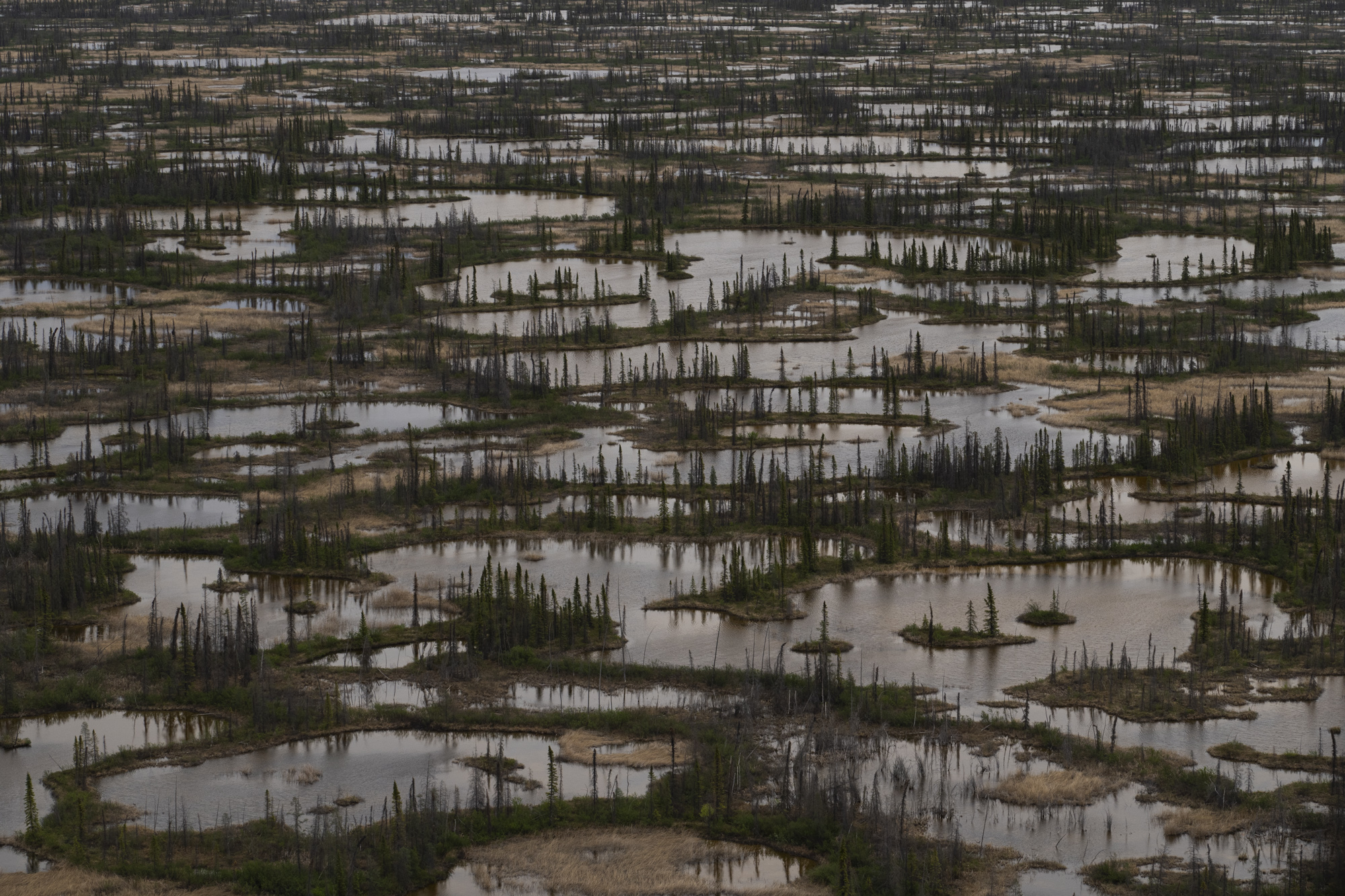
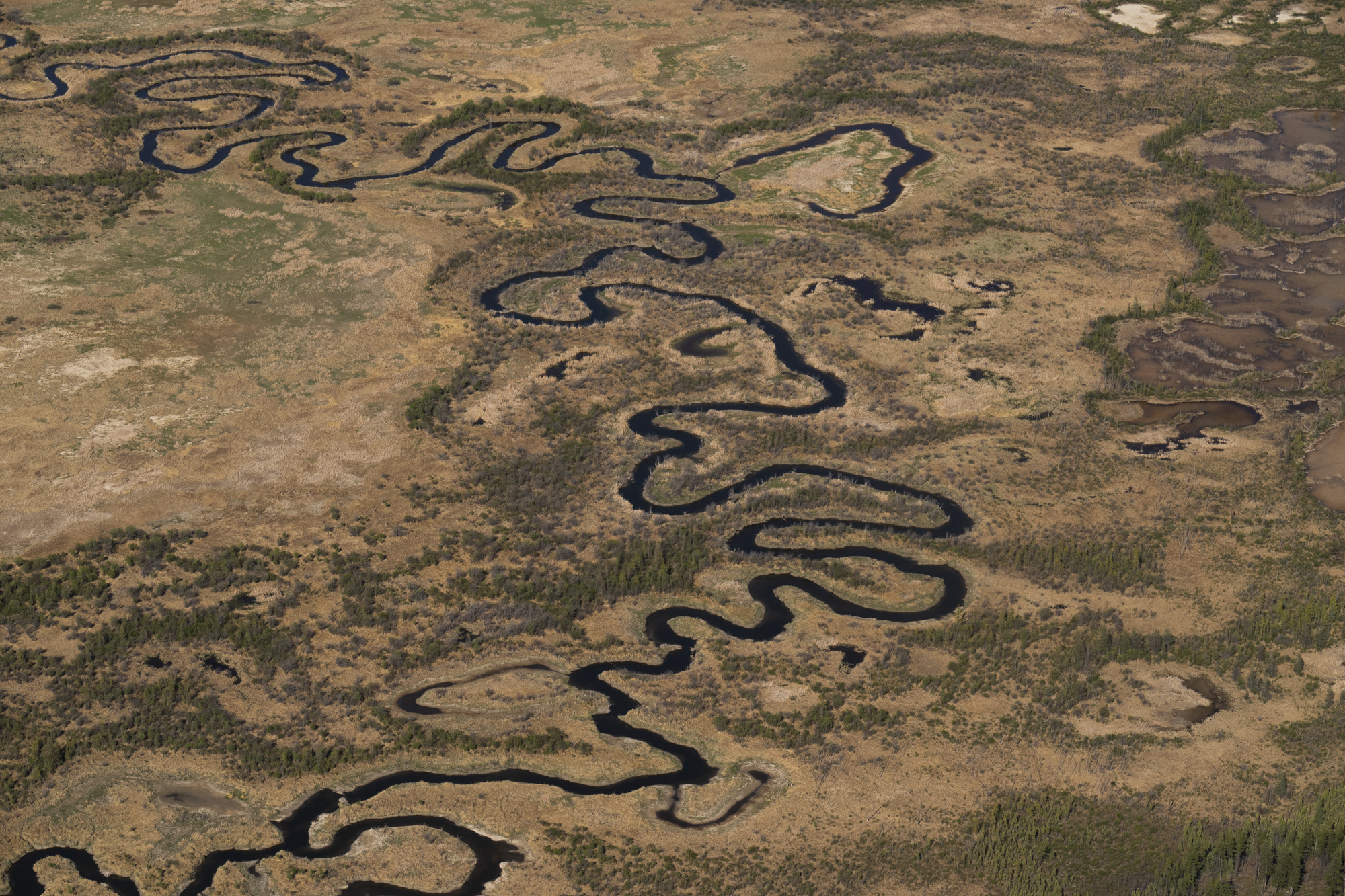
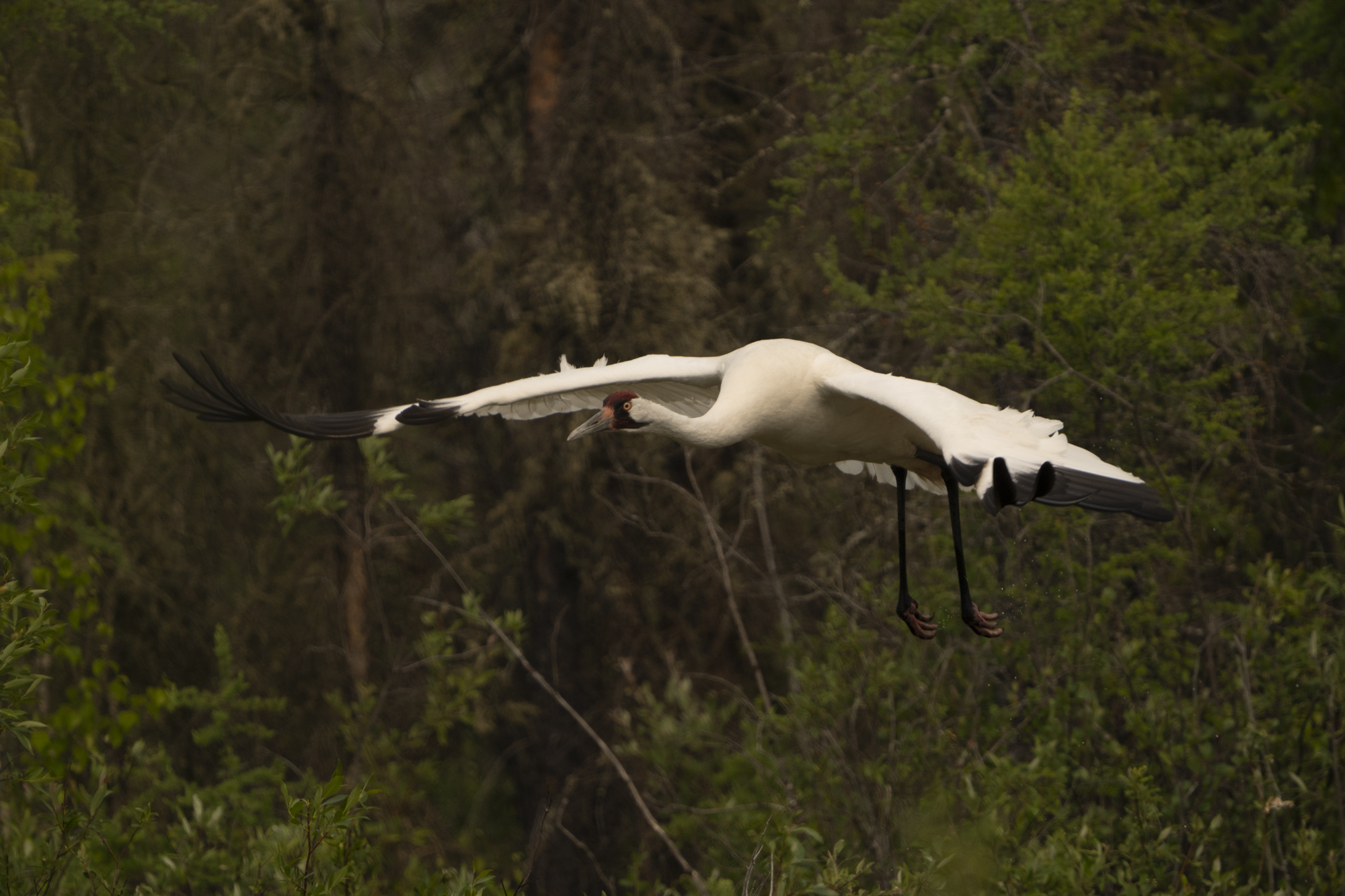
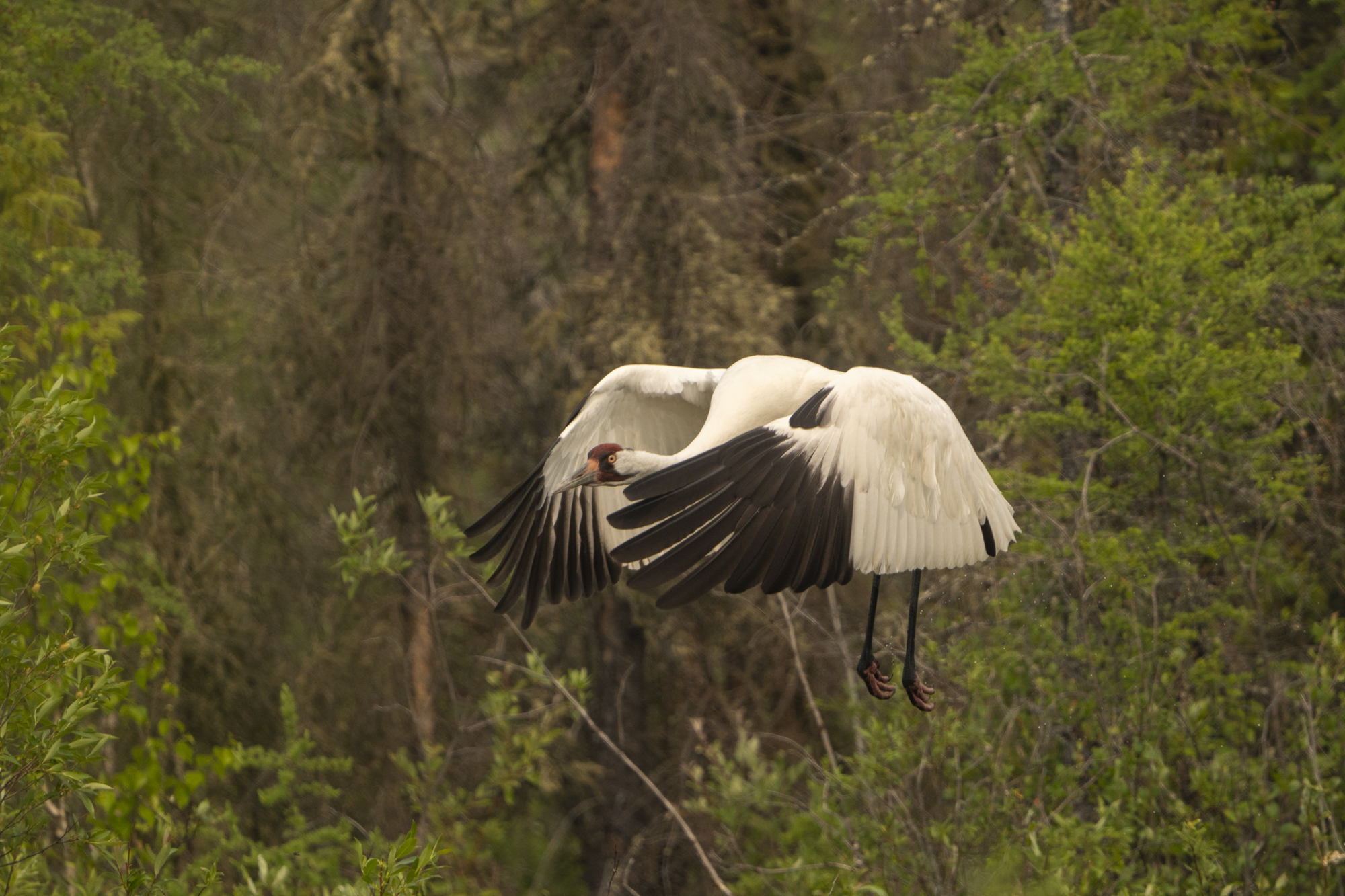
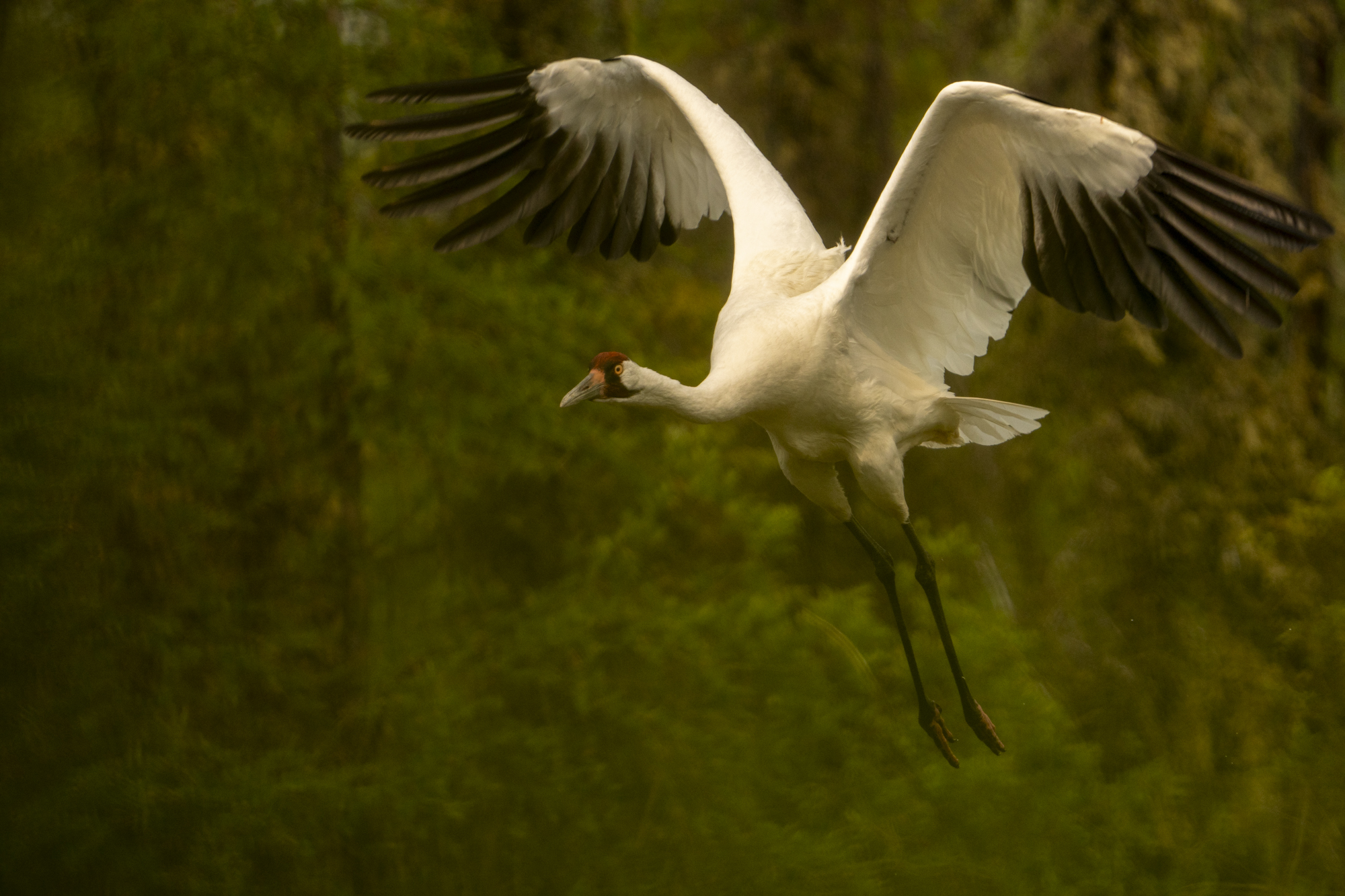
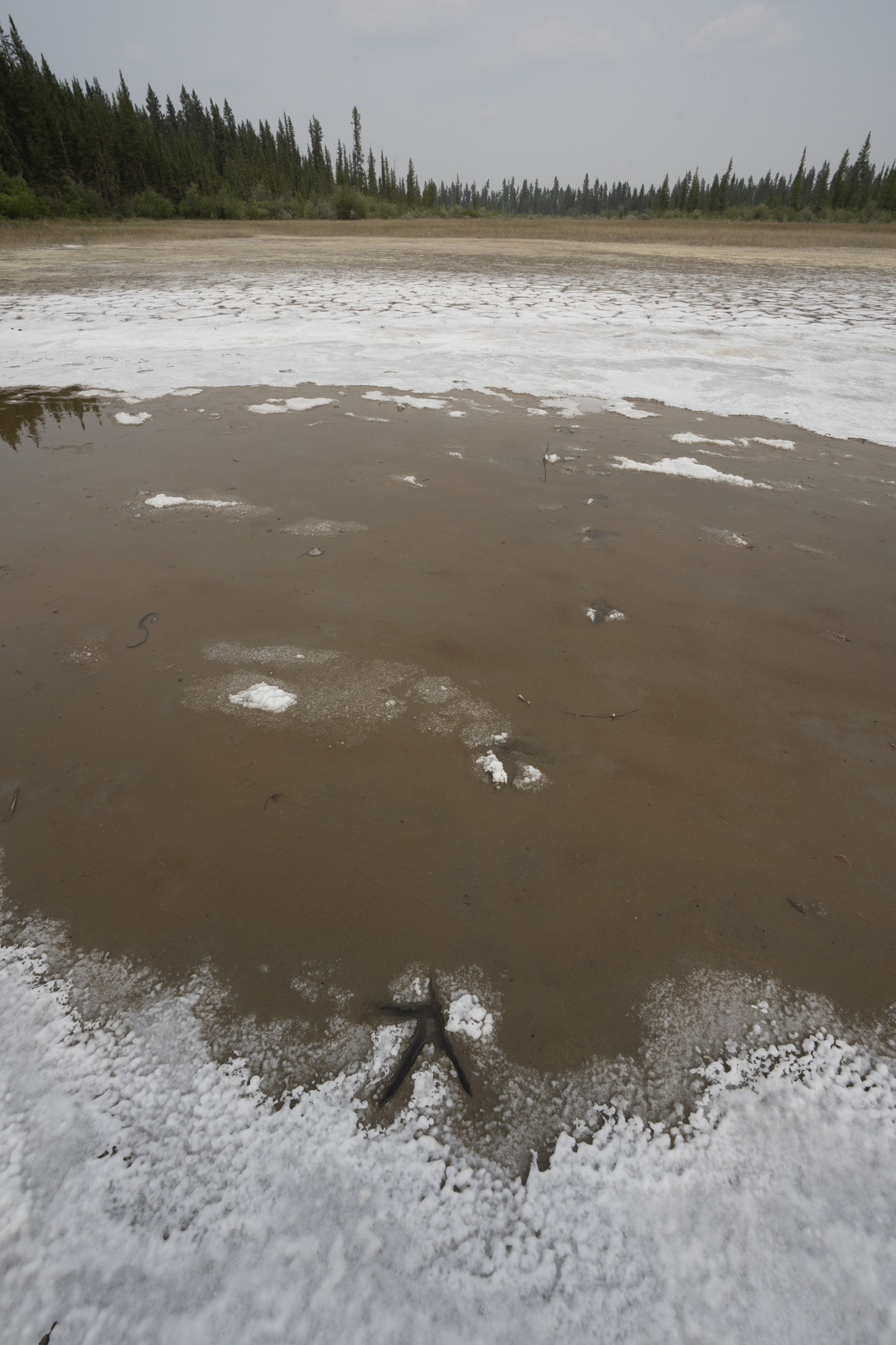
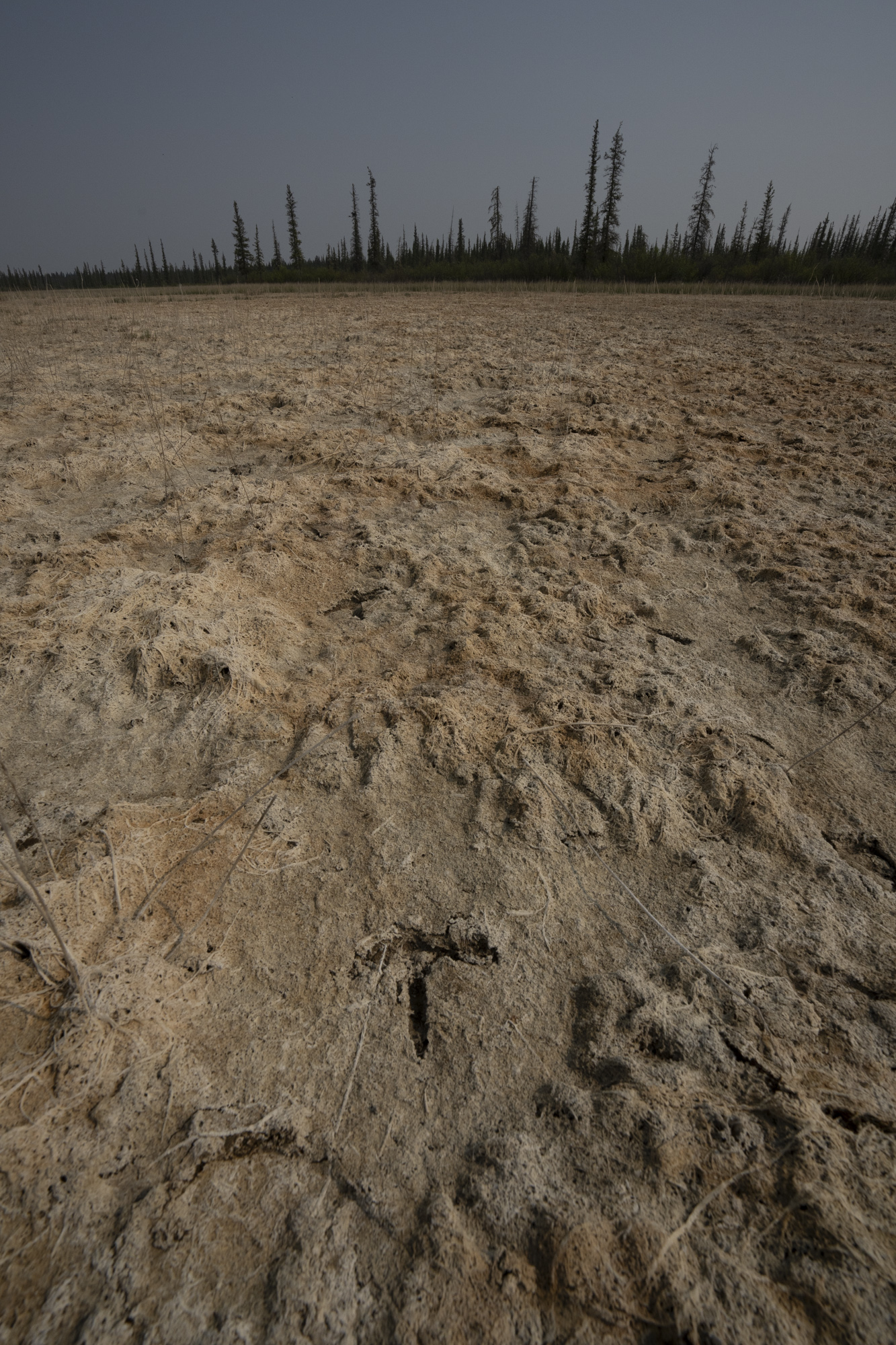
I spent several weeks in and around Wood Buffalo National Park—one of the largest national parks in the world. It’s a vast wilderness of boreal forests and wetlands, prairies and salt plains, and rivers that disappear into caves and become sinkholes. It is the last summer stronghold for the self-sustaining migratory flock of whooping cranes.
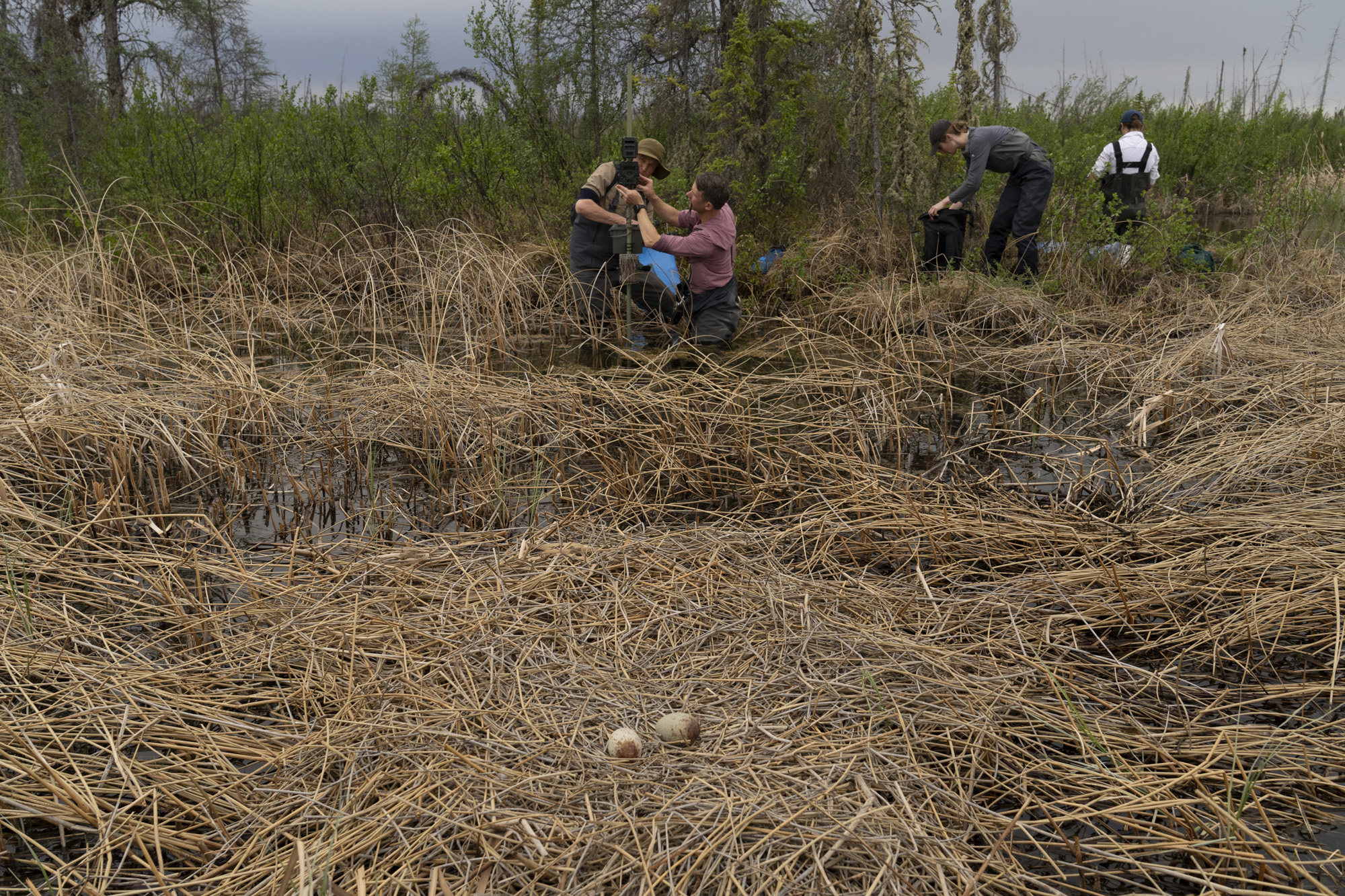
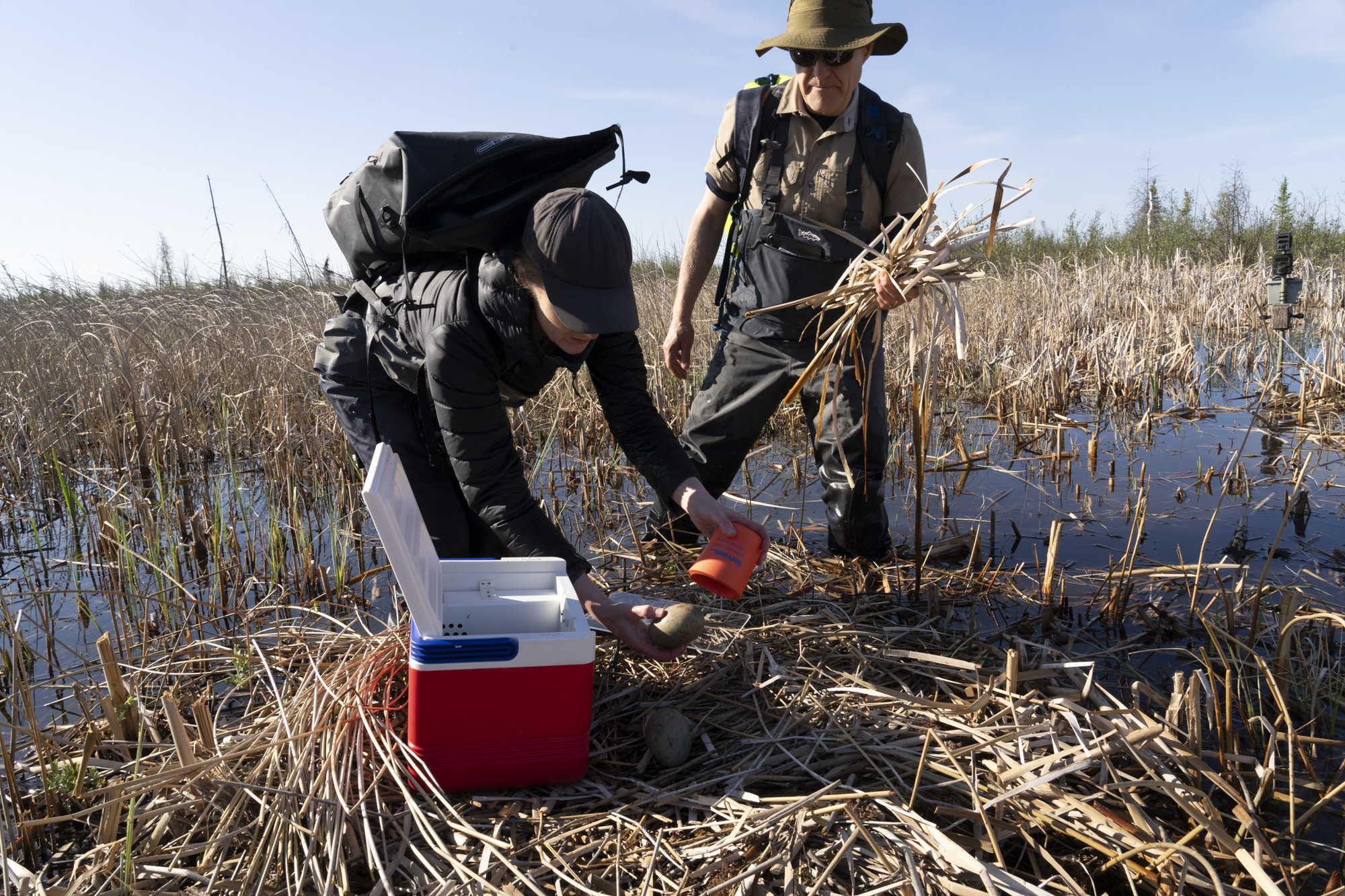
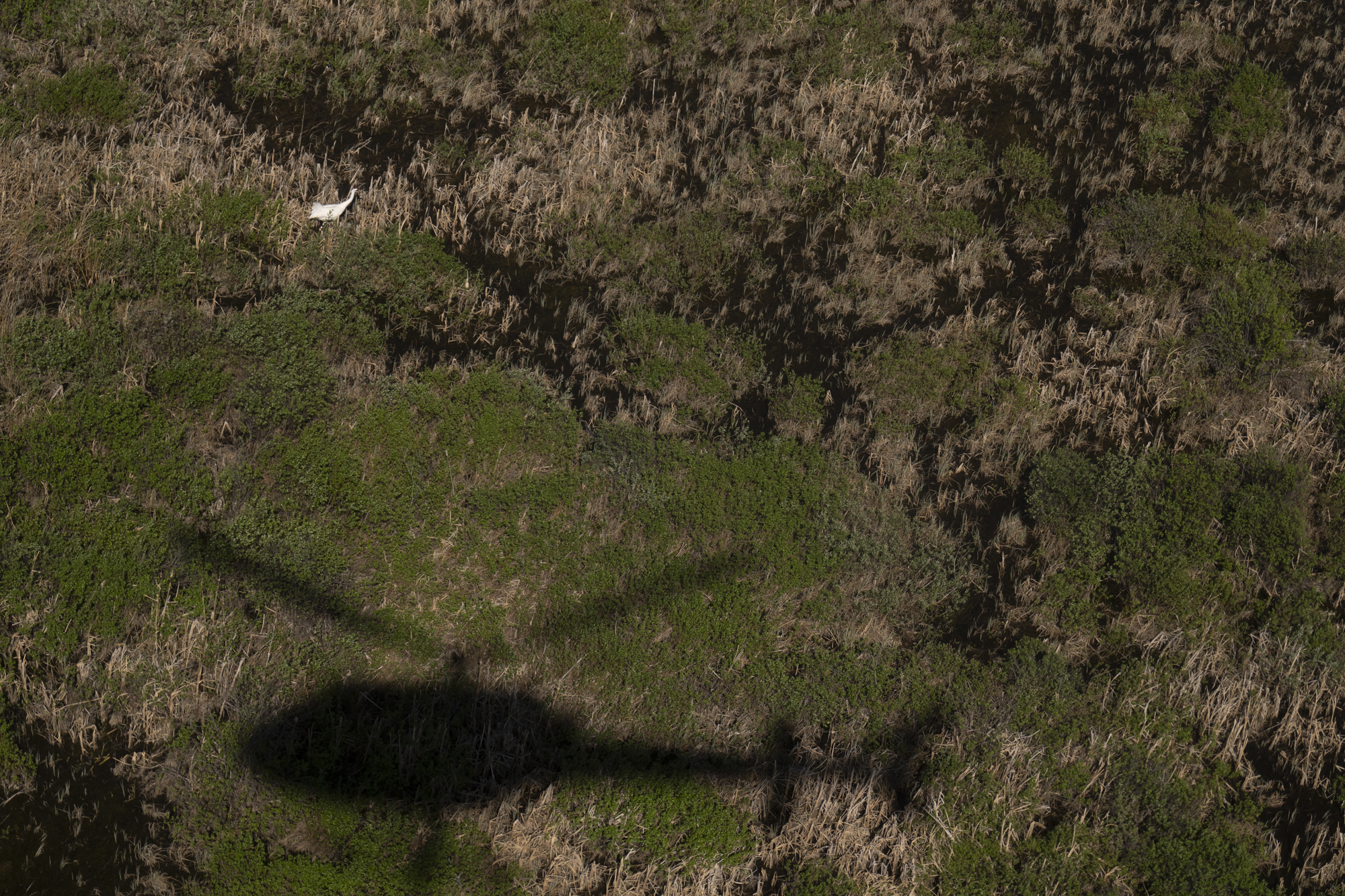
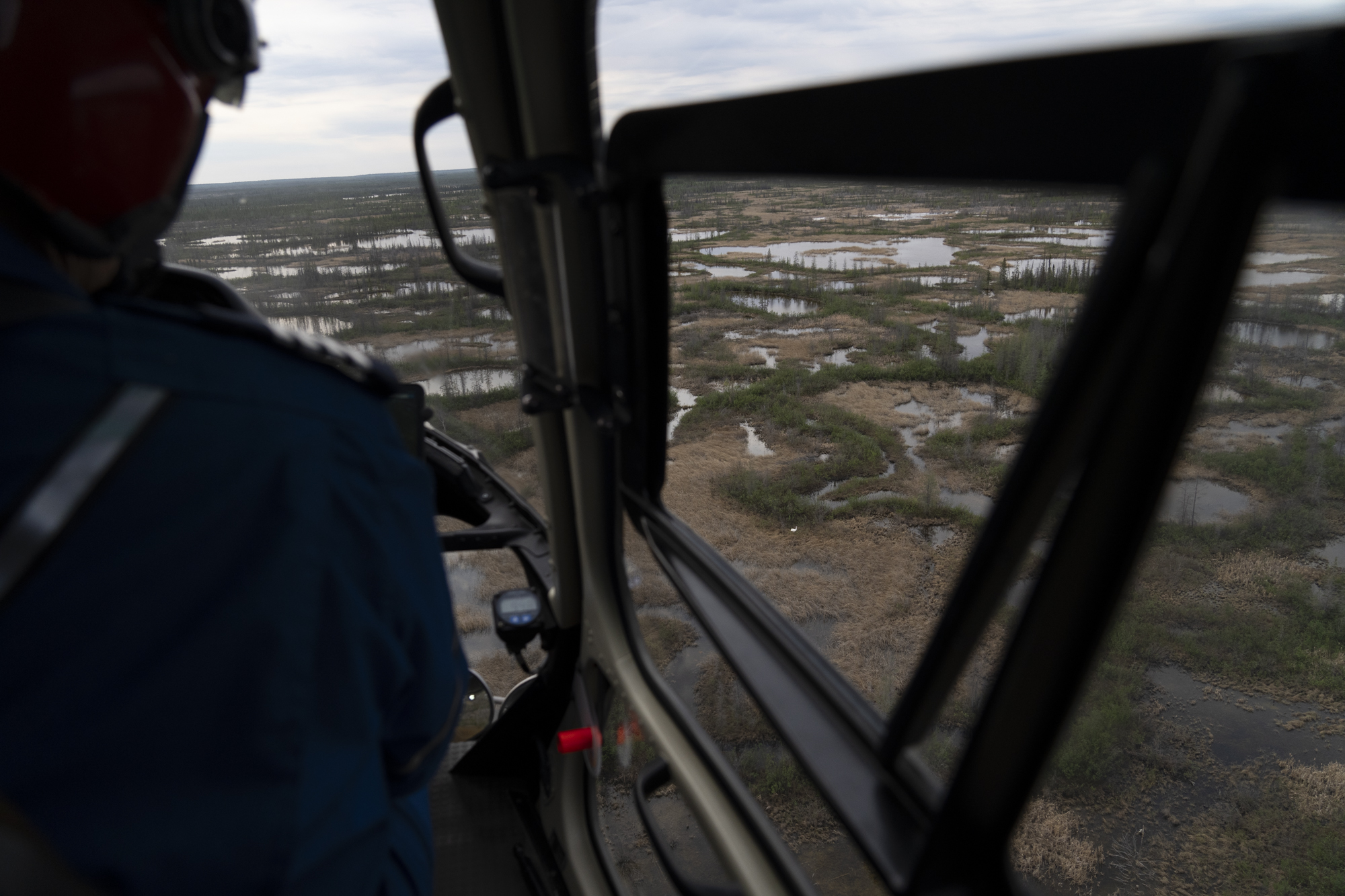
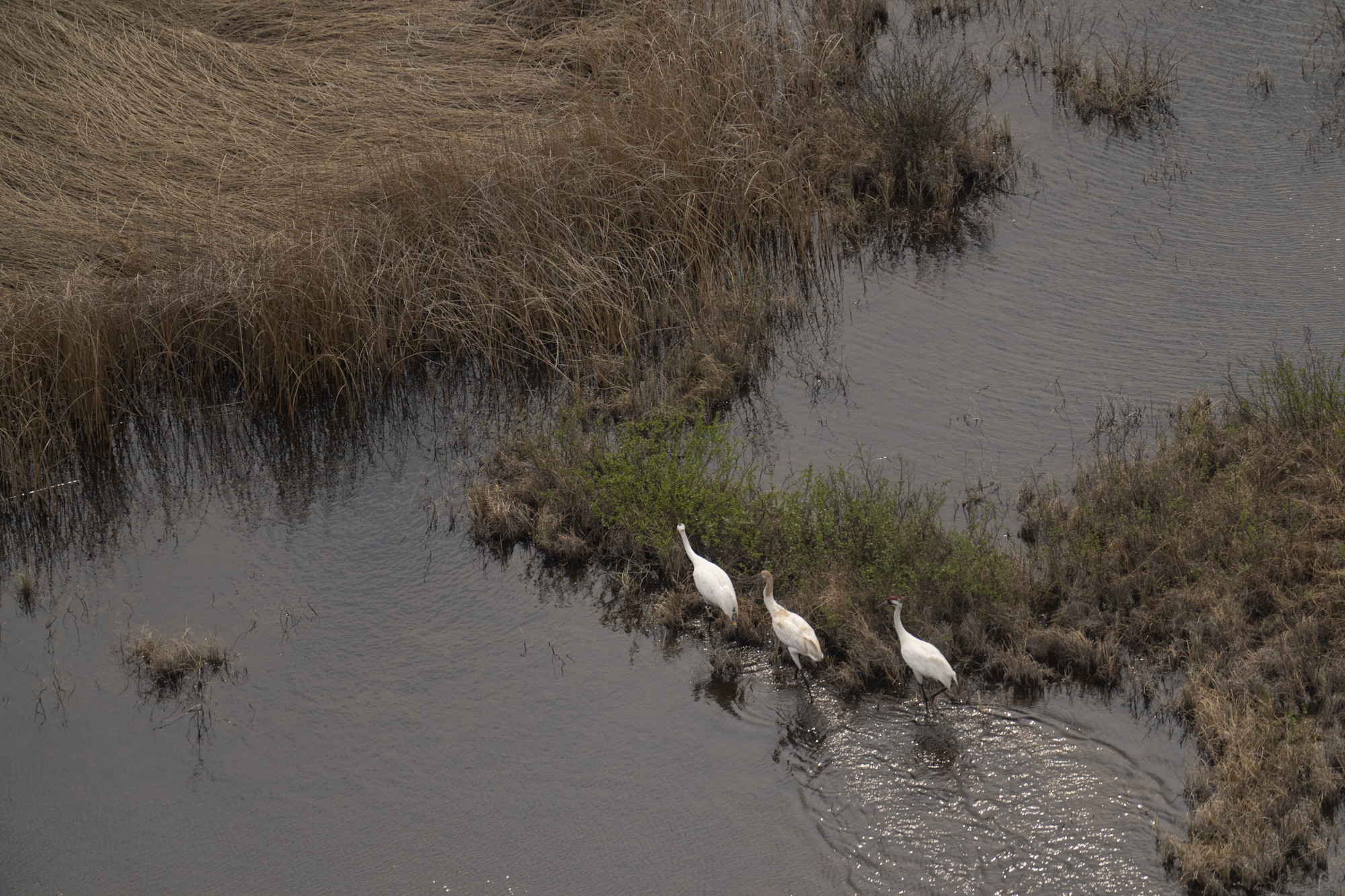
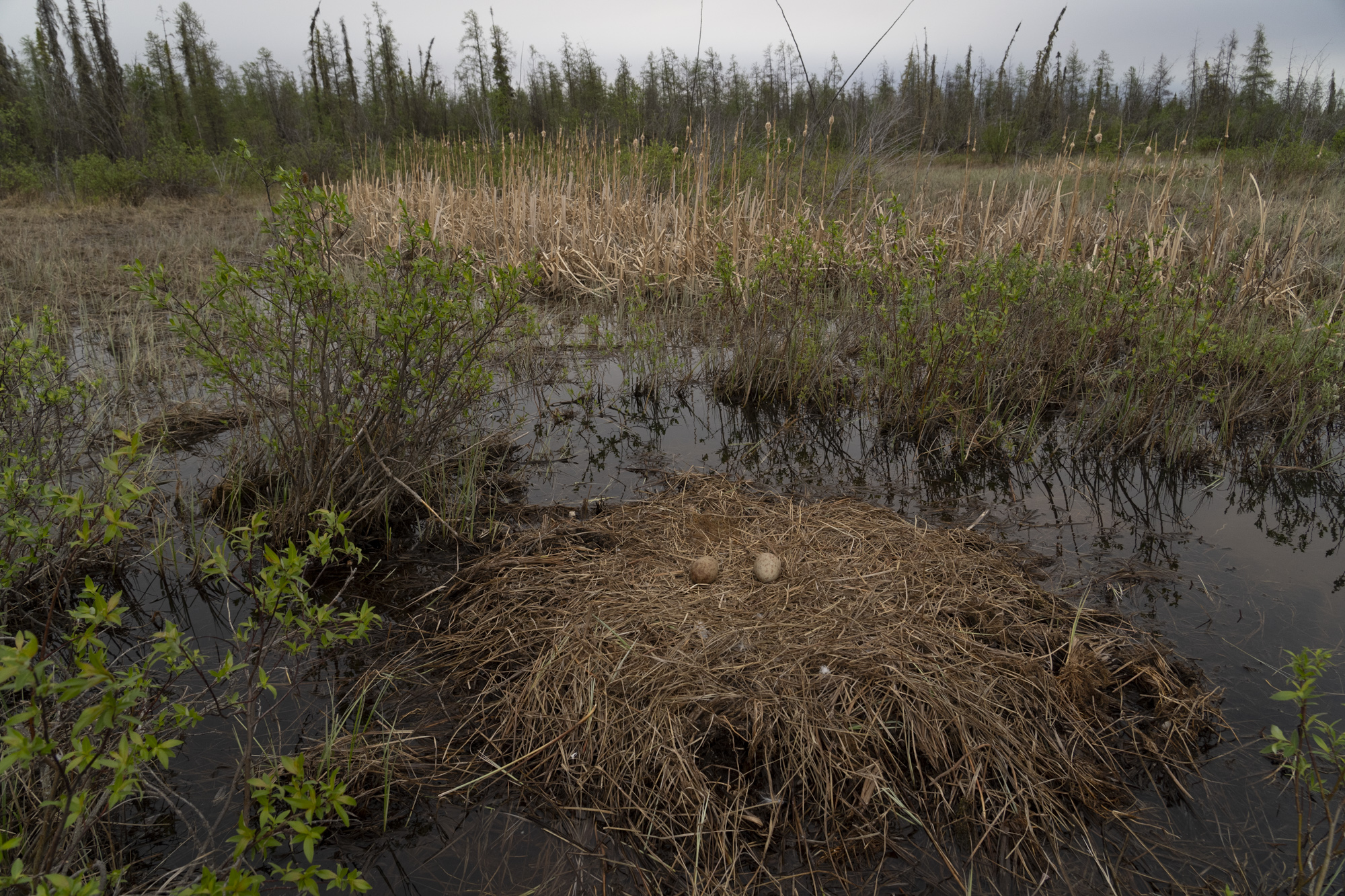
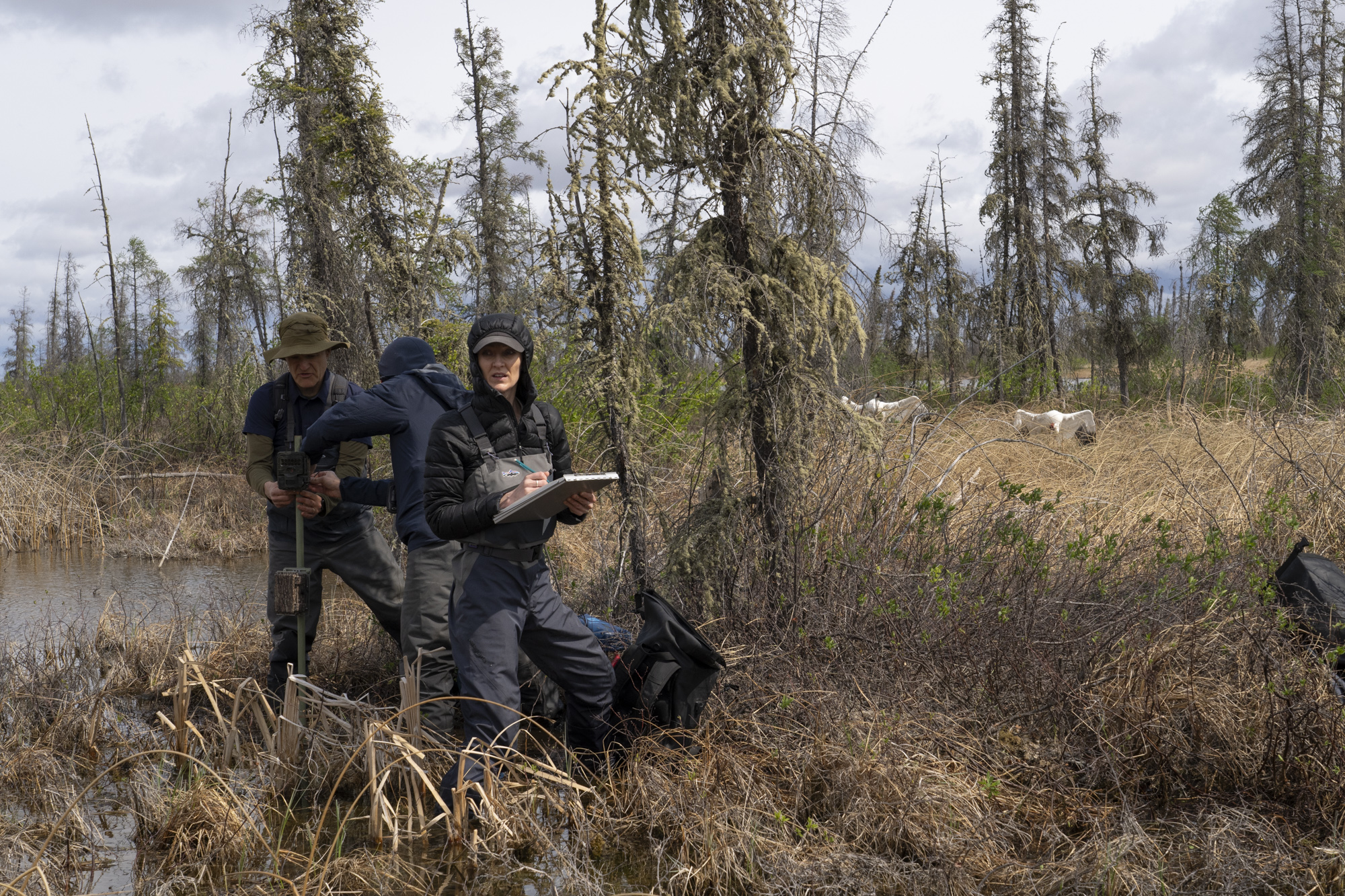
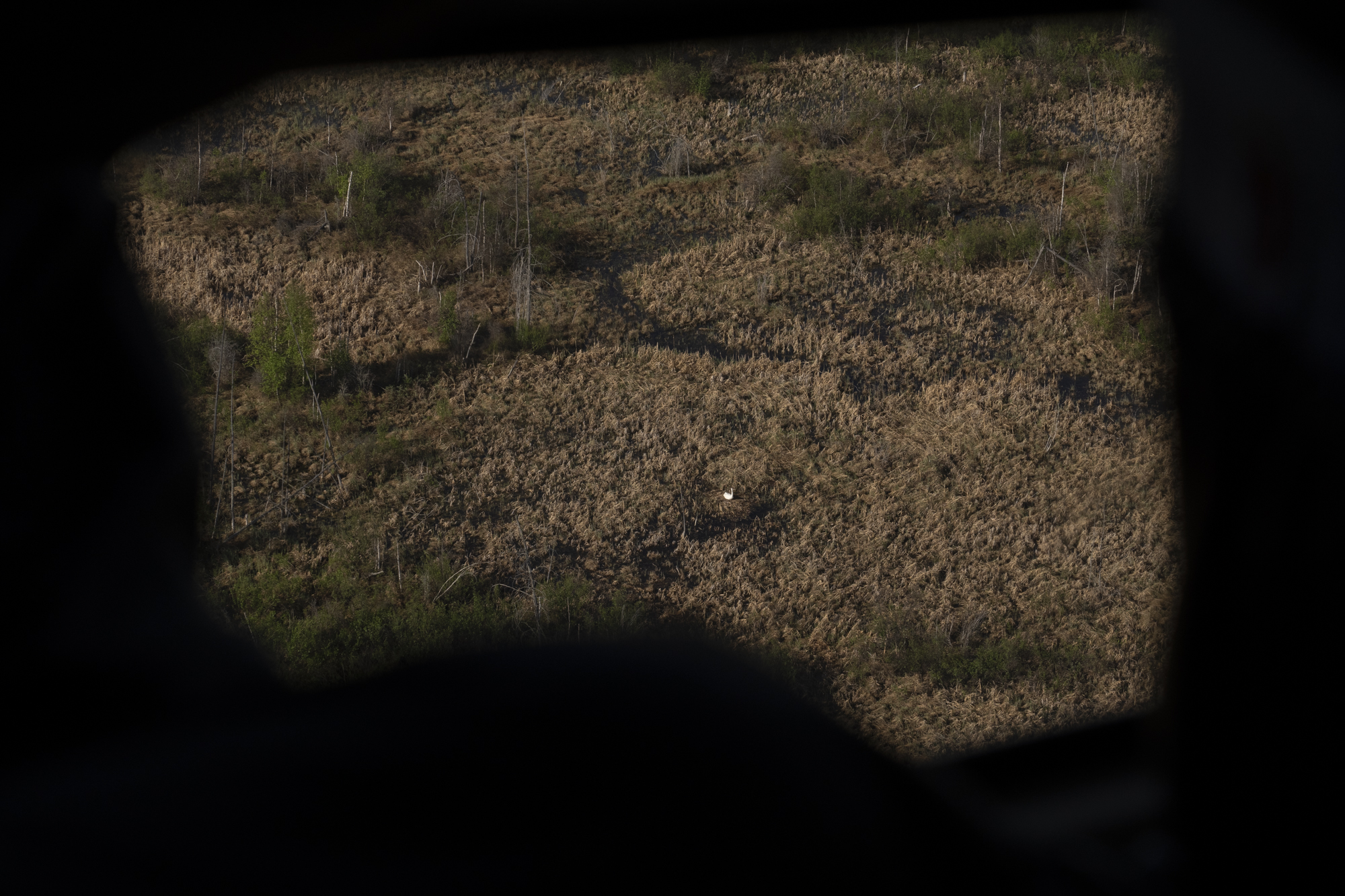
I captured a collection of aerial images showing the expansive wetlands that serve as whooper nesting grounds. In many frames, whooping cranes and/or their nests were visible. I also photographed Canadian whooping crane researchers deploying remote cameras and other sensors at numerous nest sites. With these technologies, they hope to uncover more about the secretive lives of these birds and the habitats they depend on.
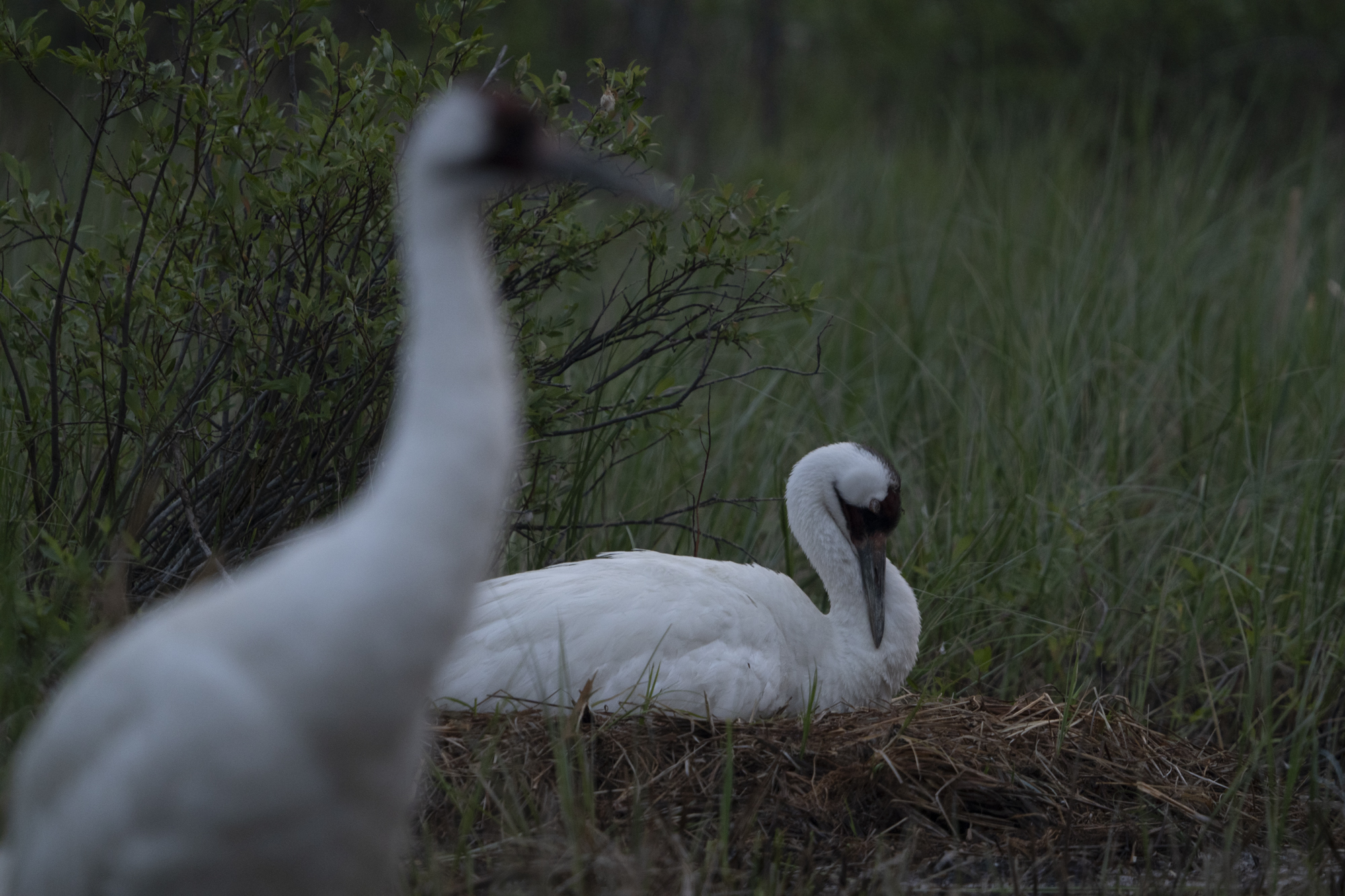
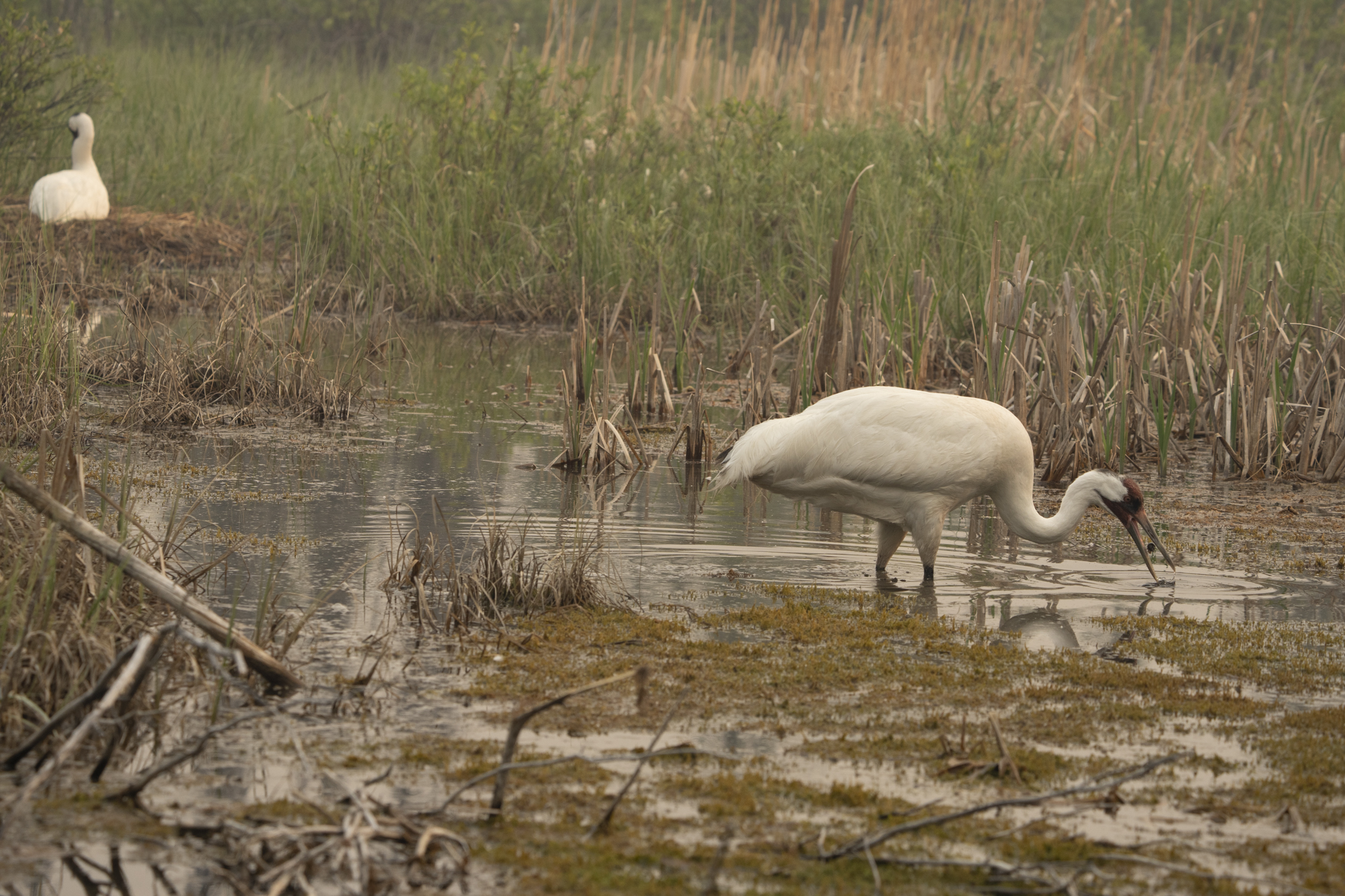
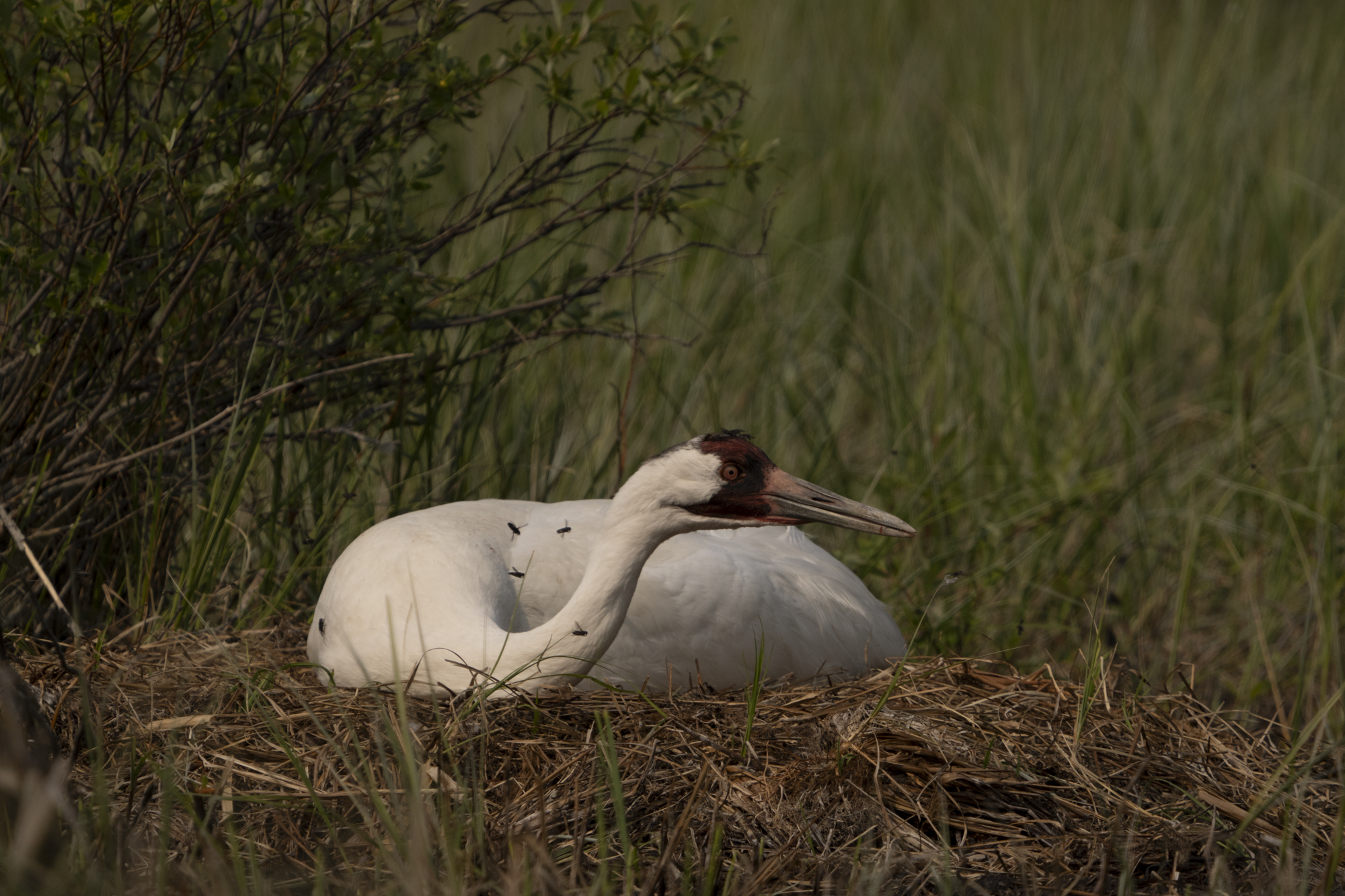
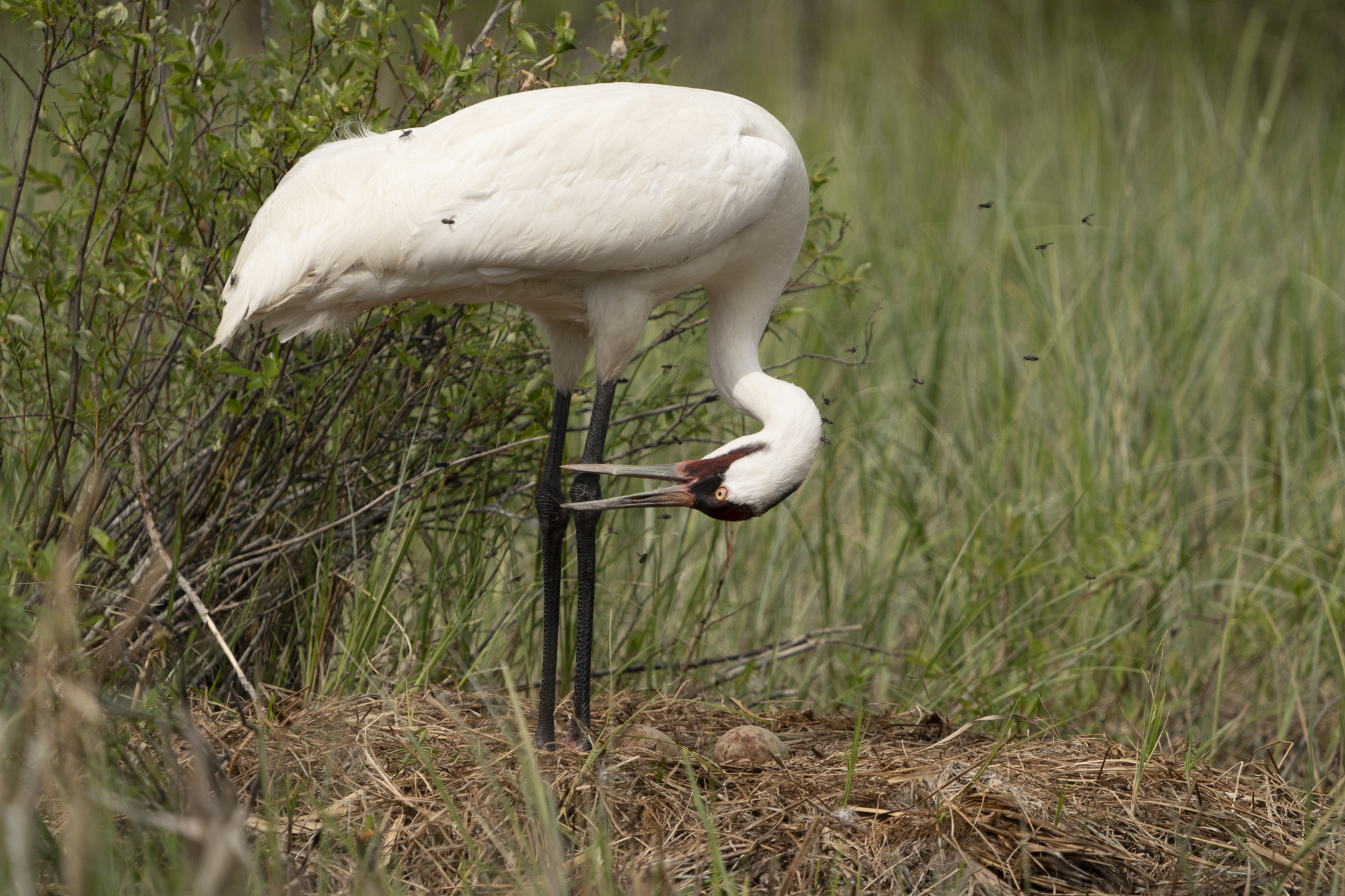
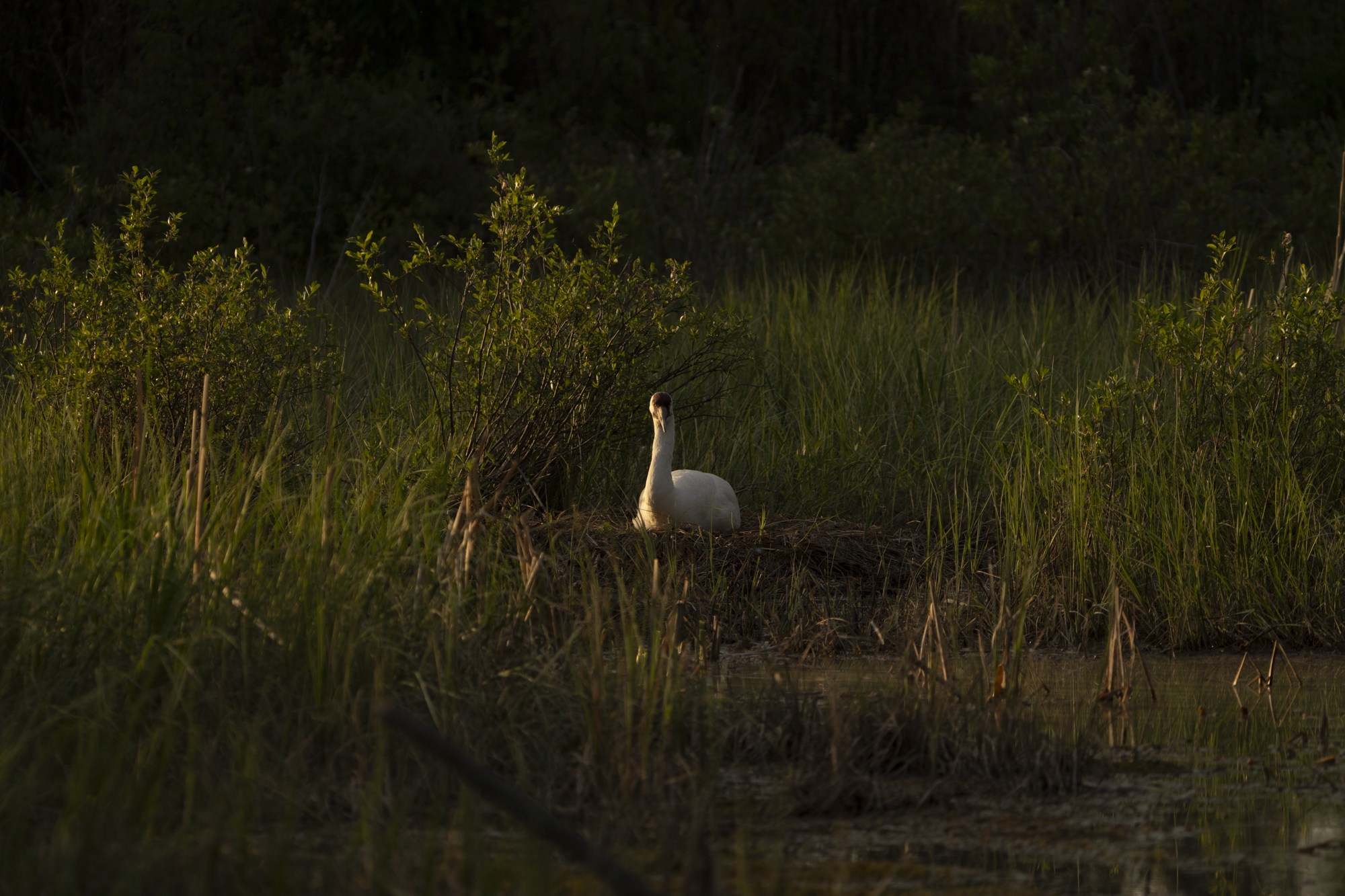
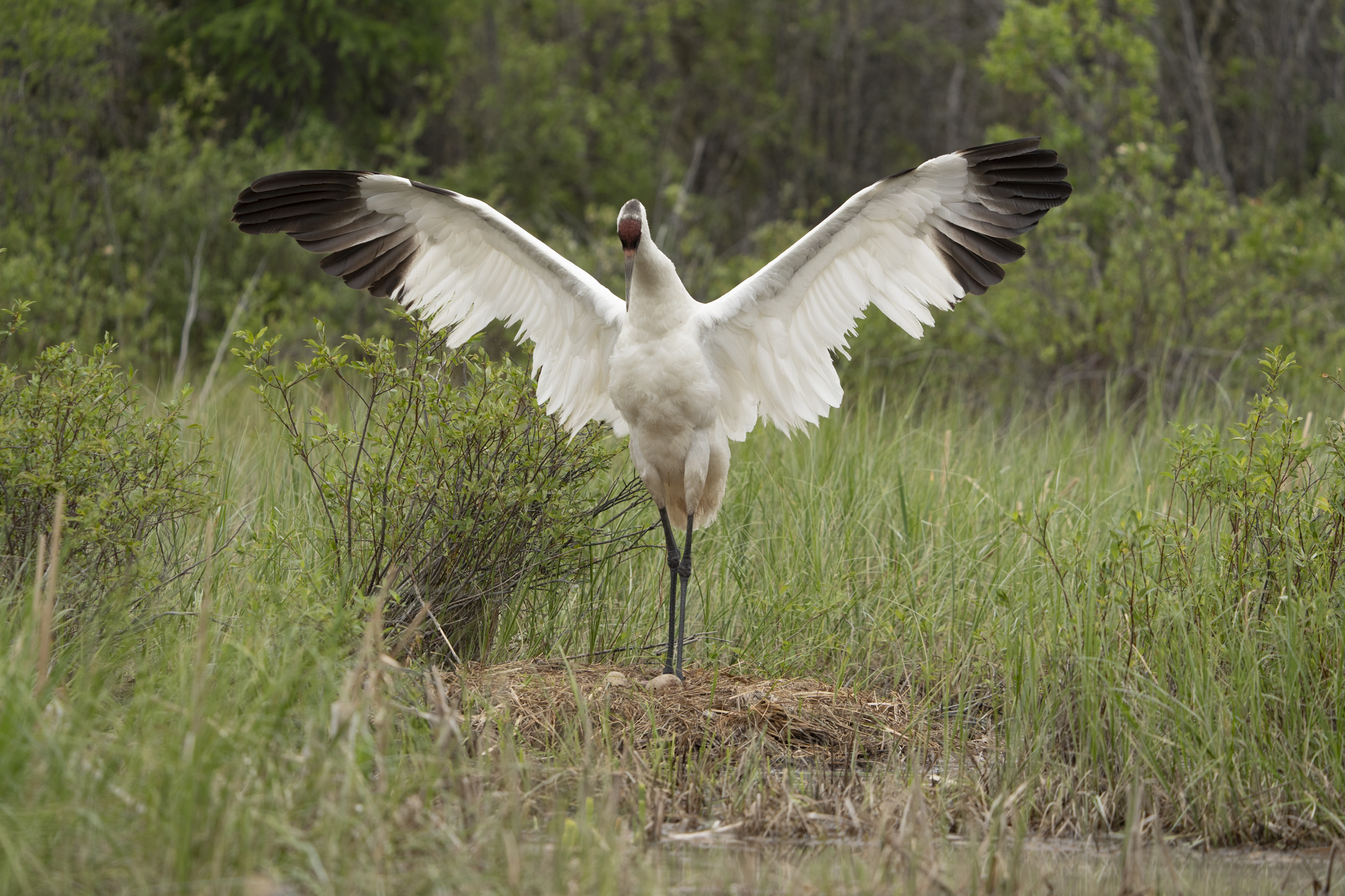
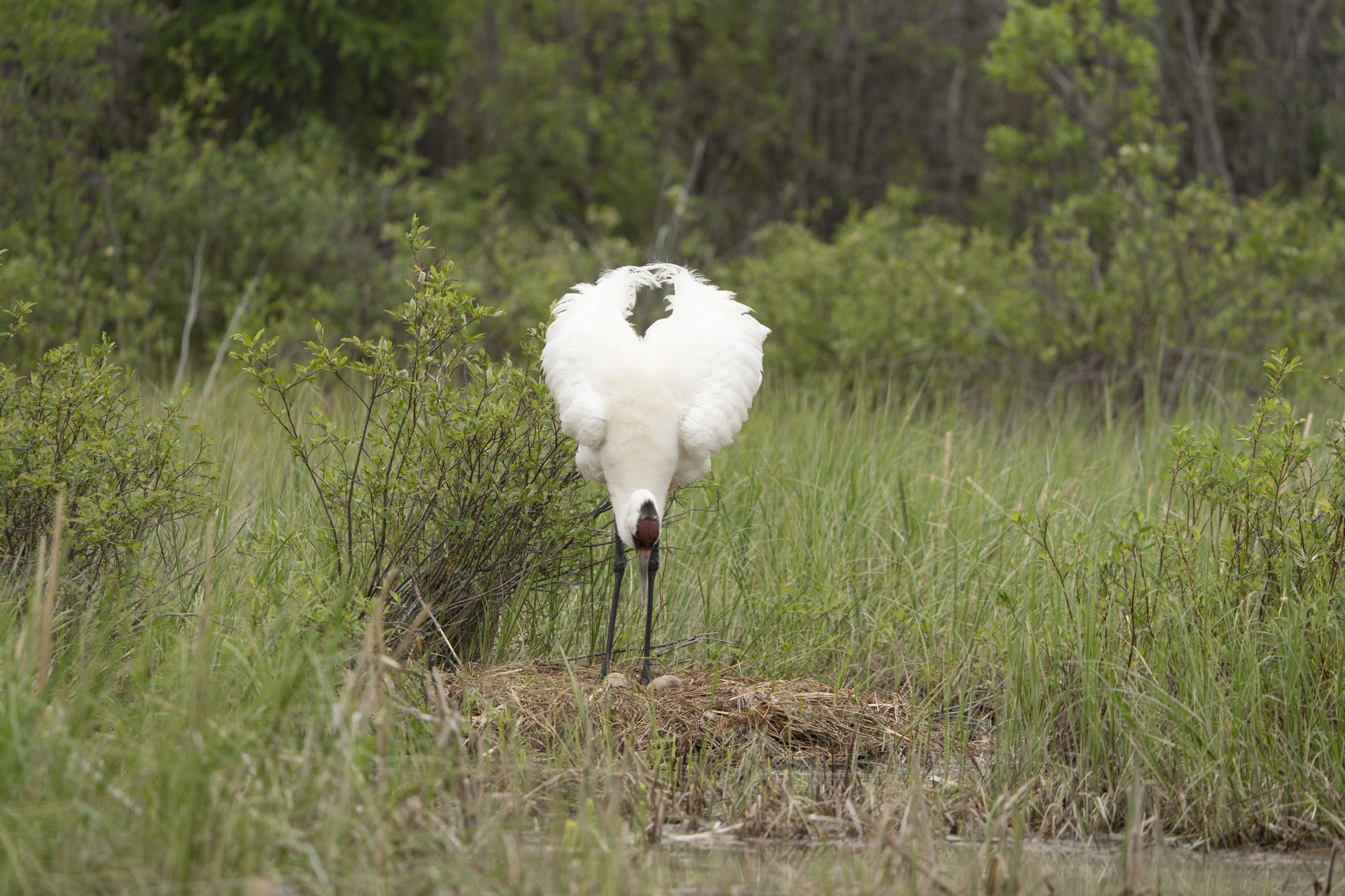
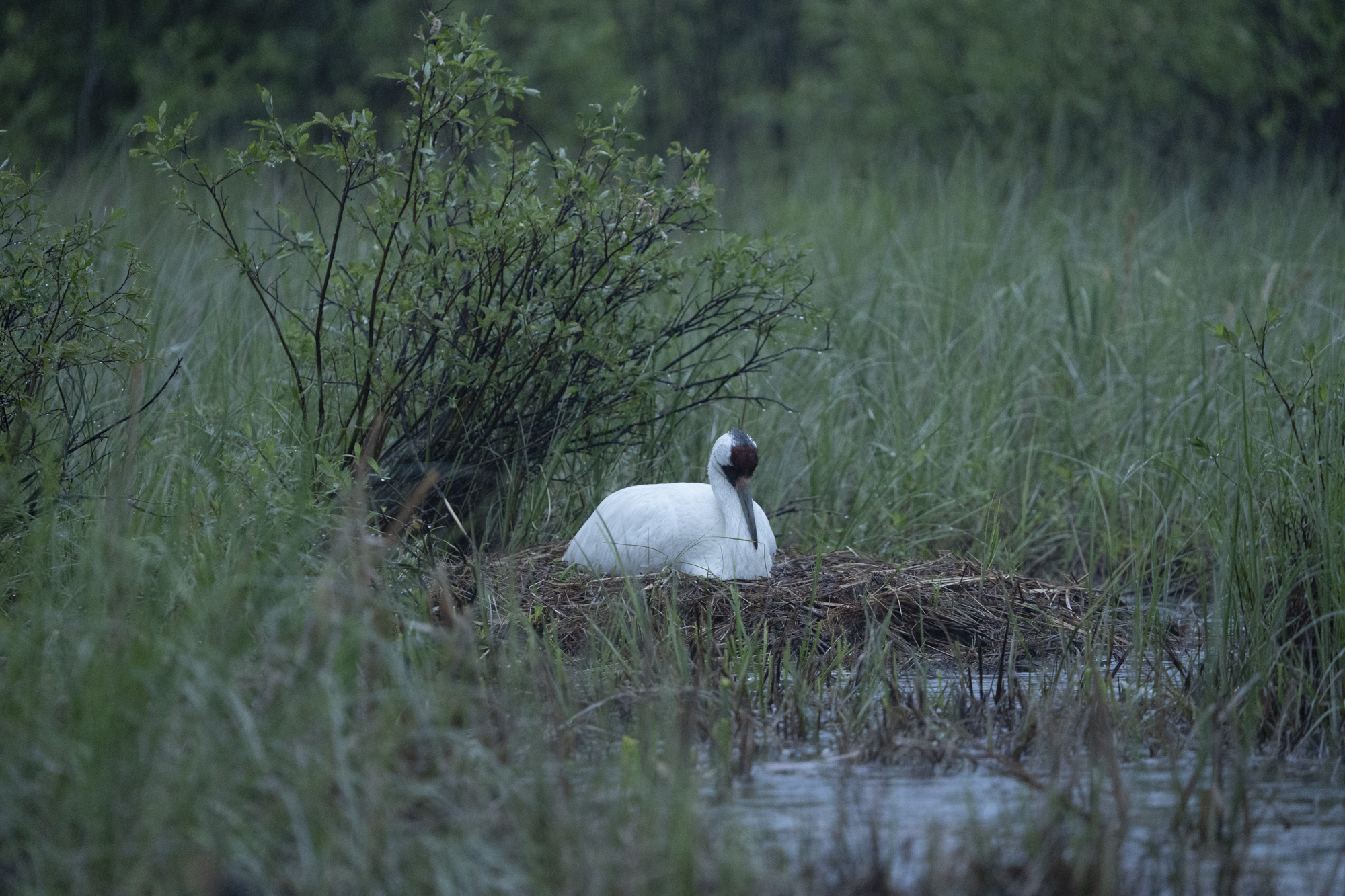
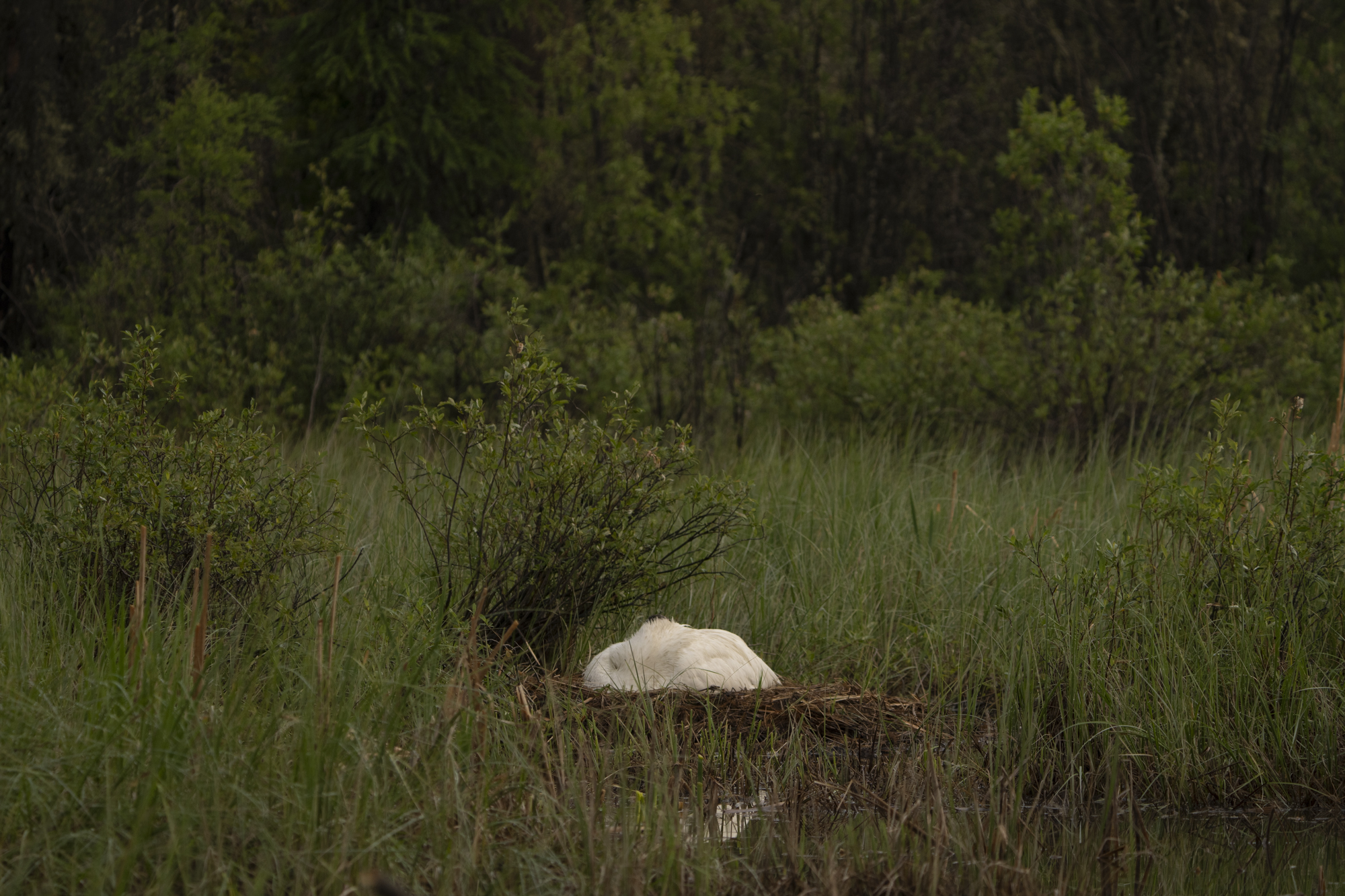
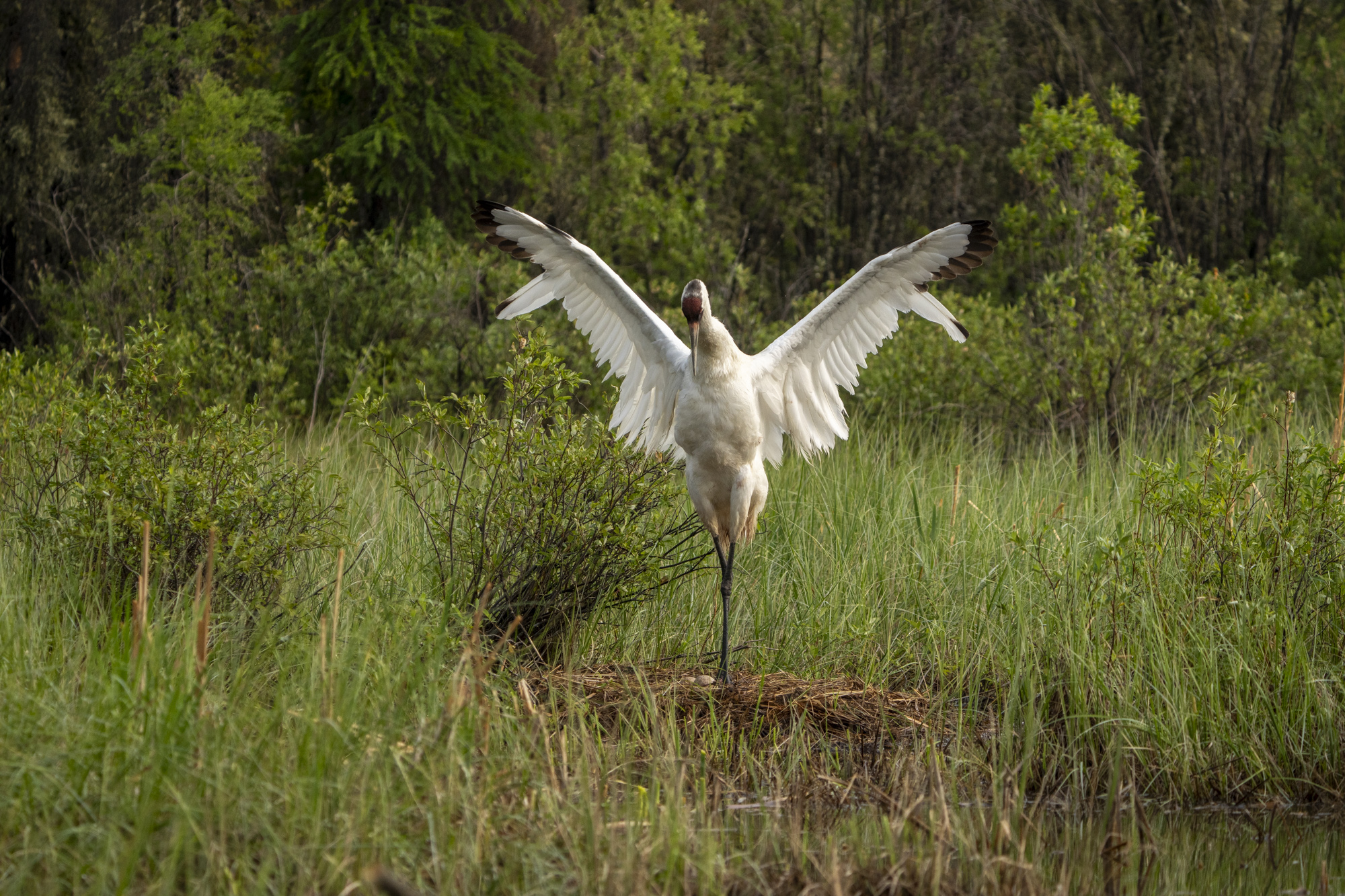
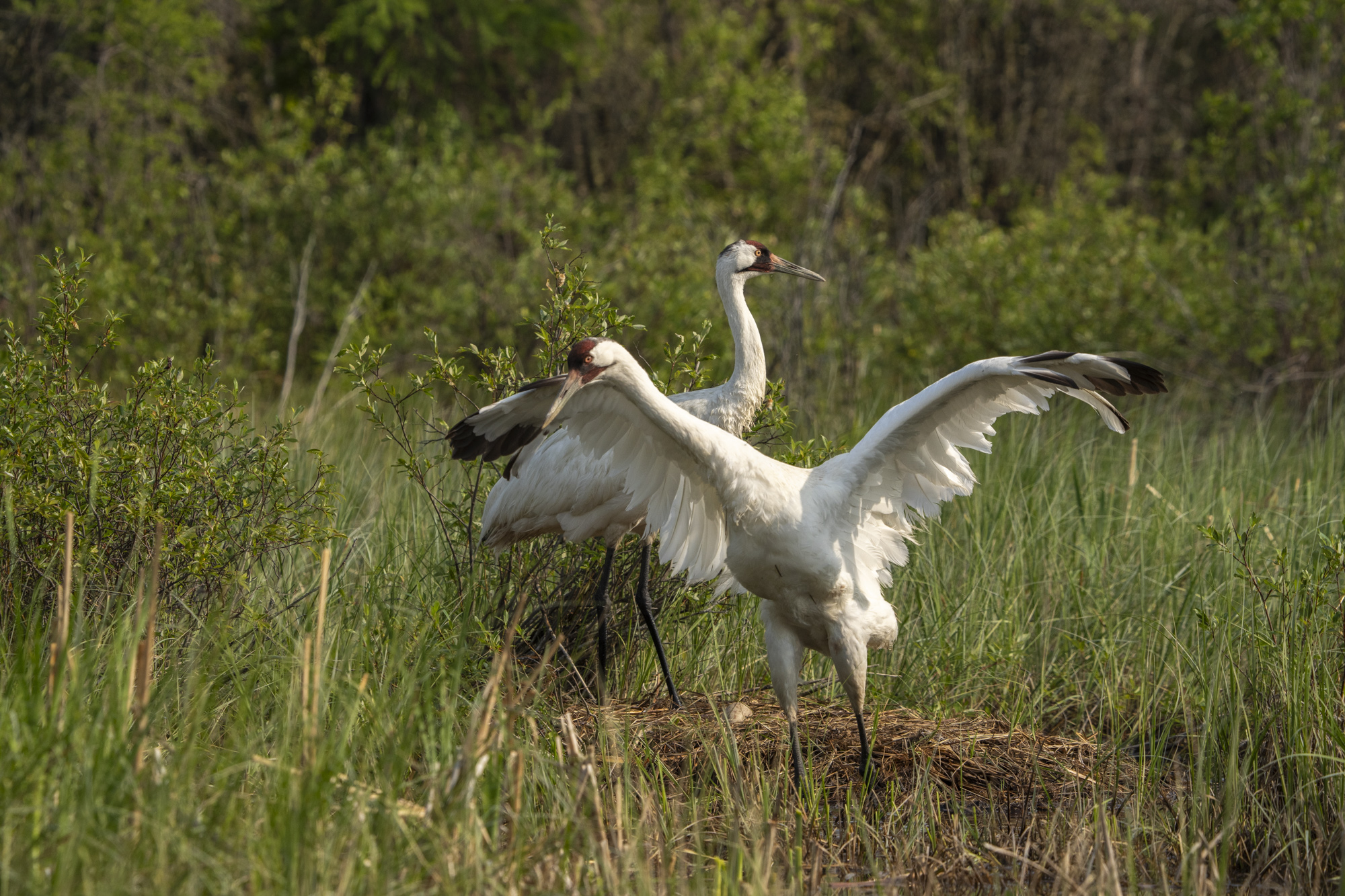
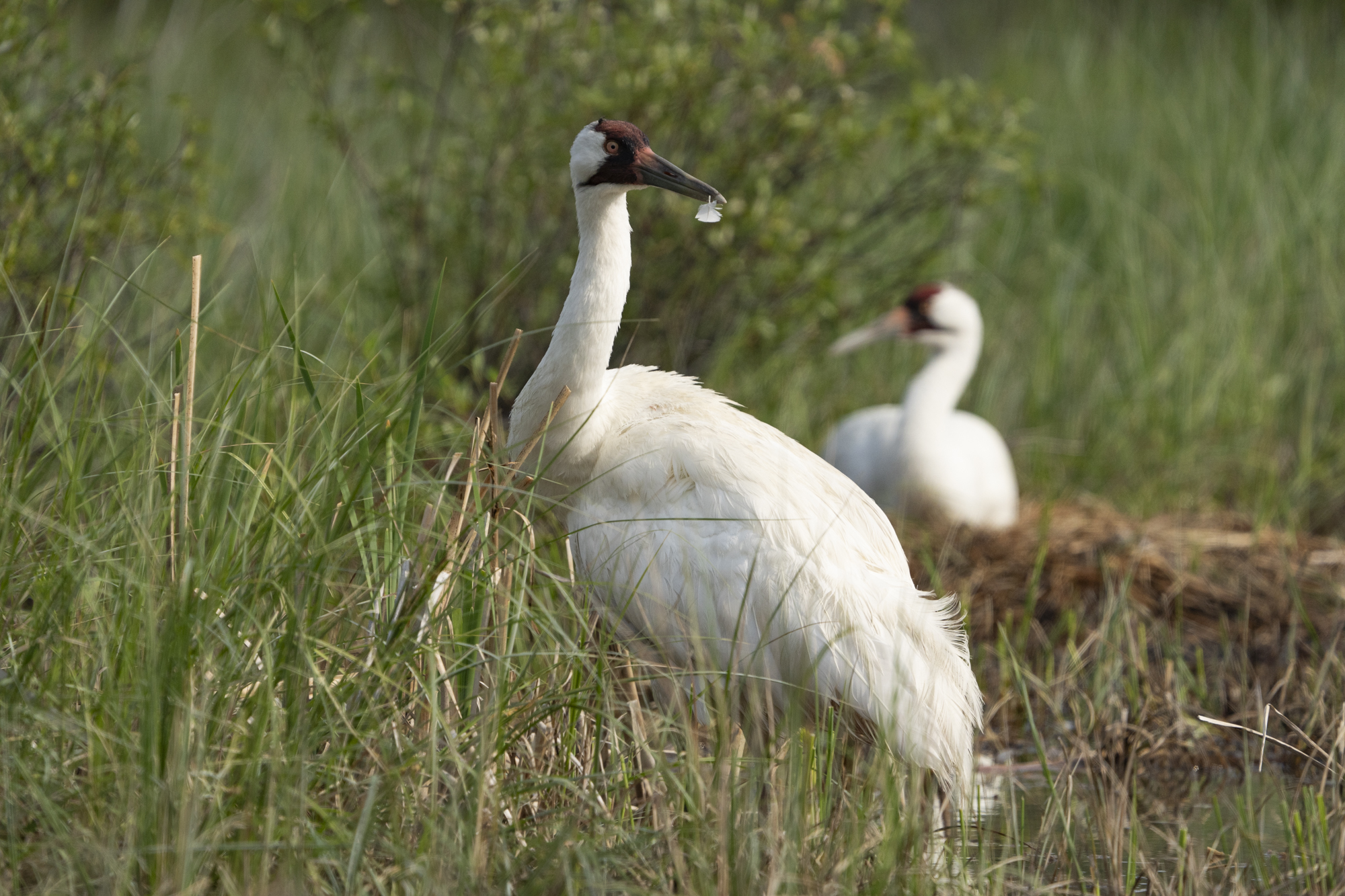
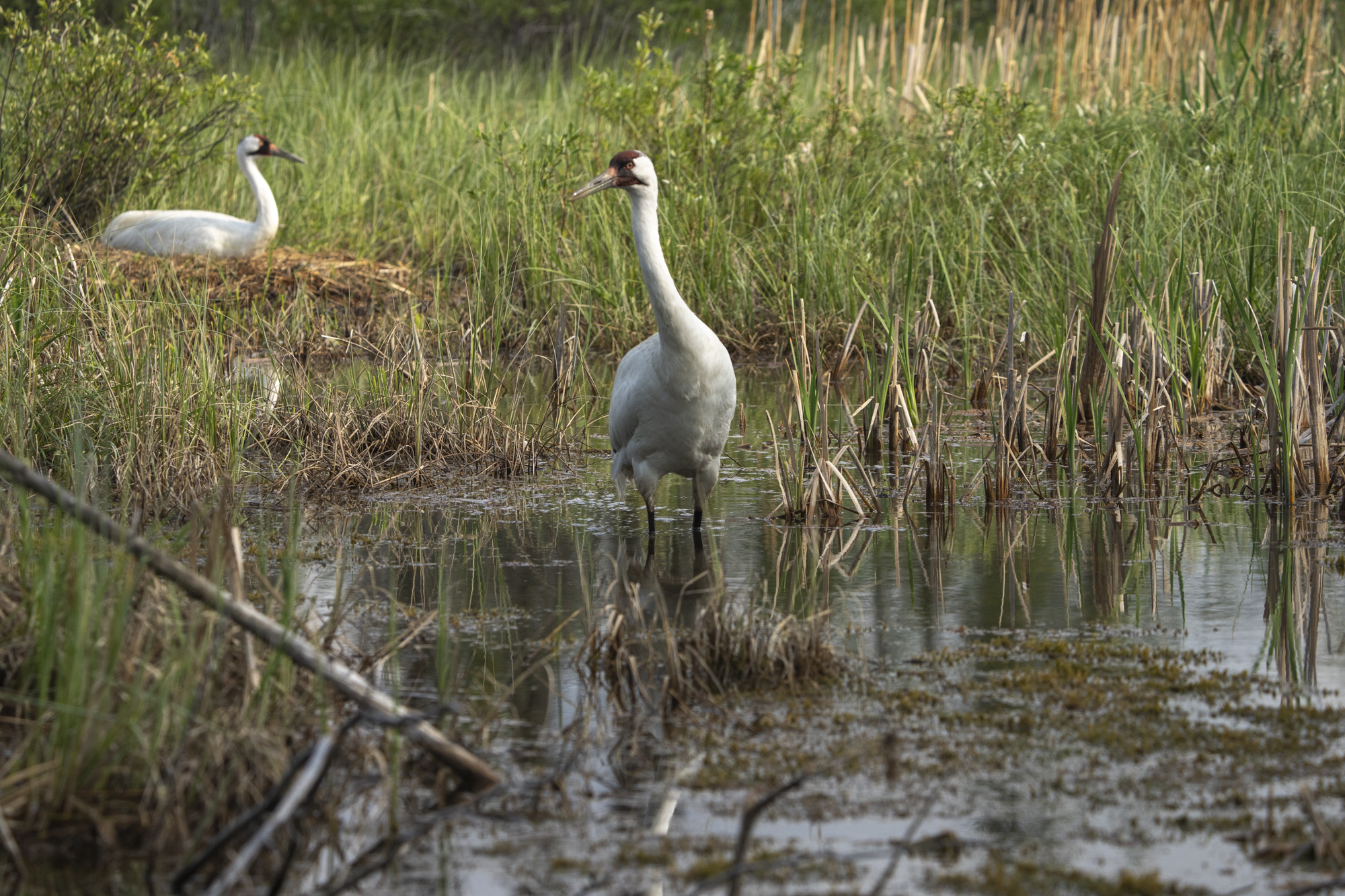
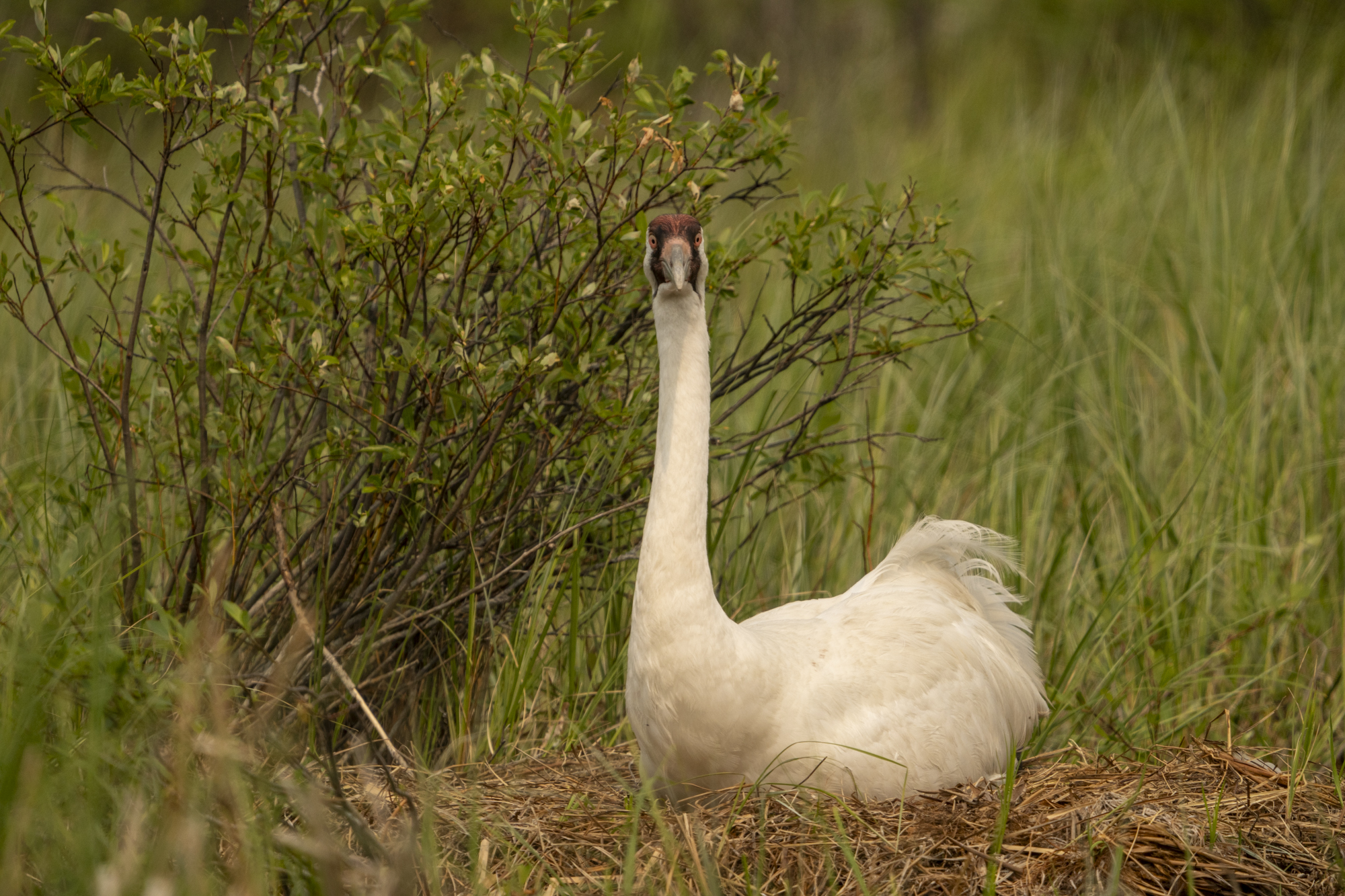
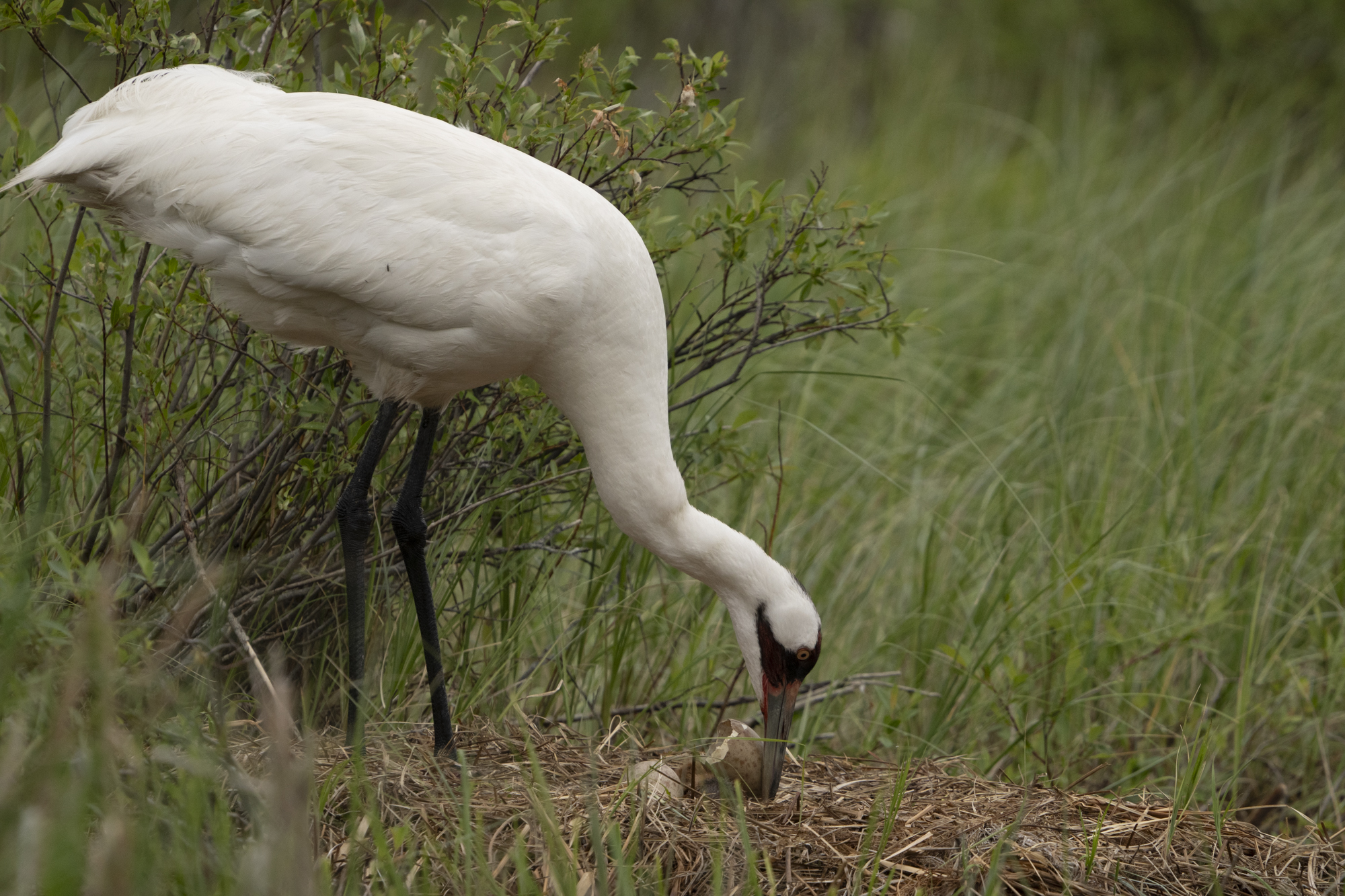
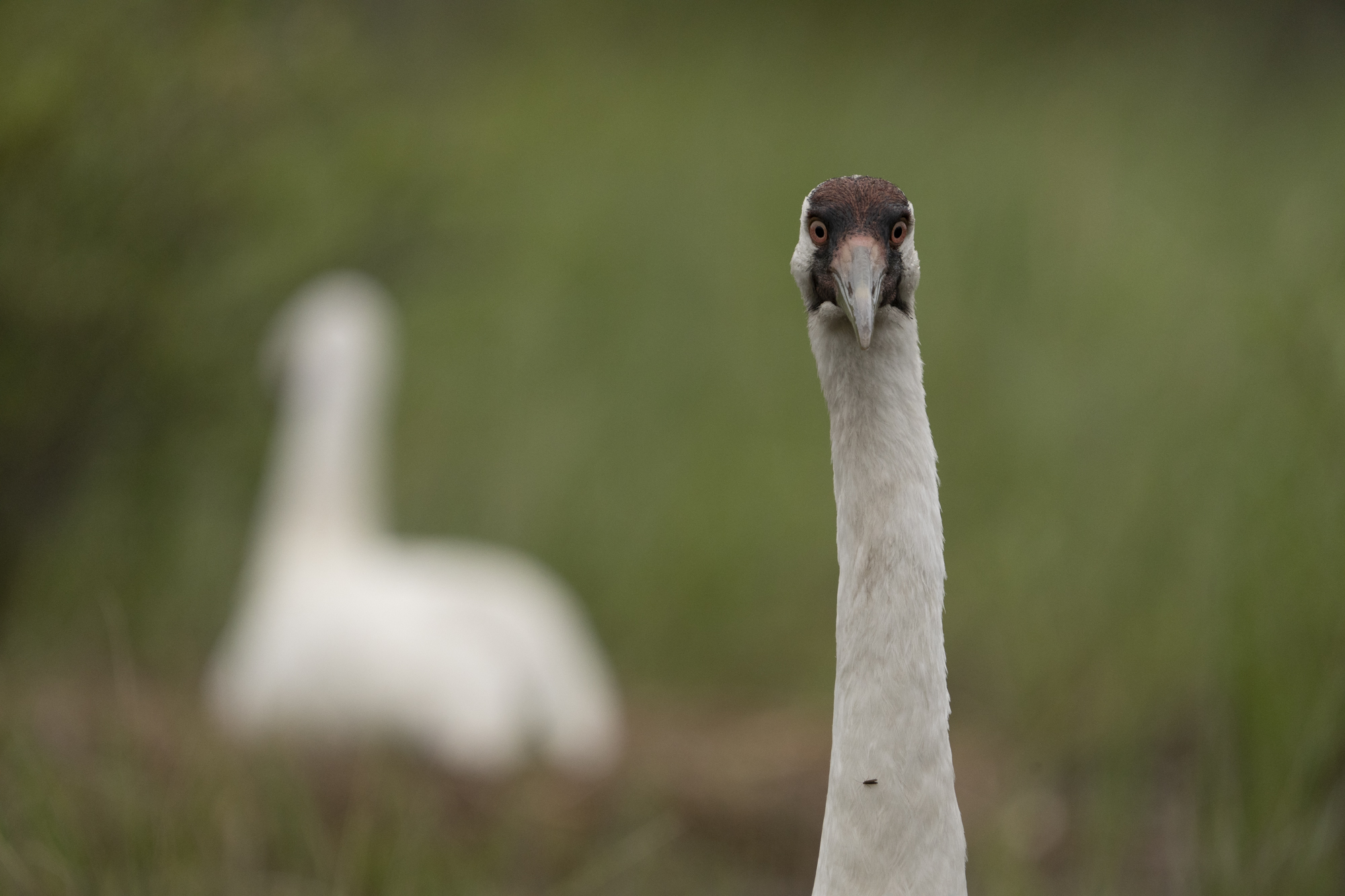
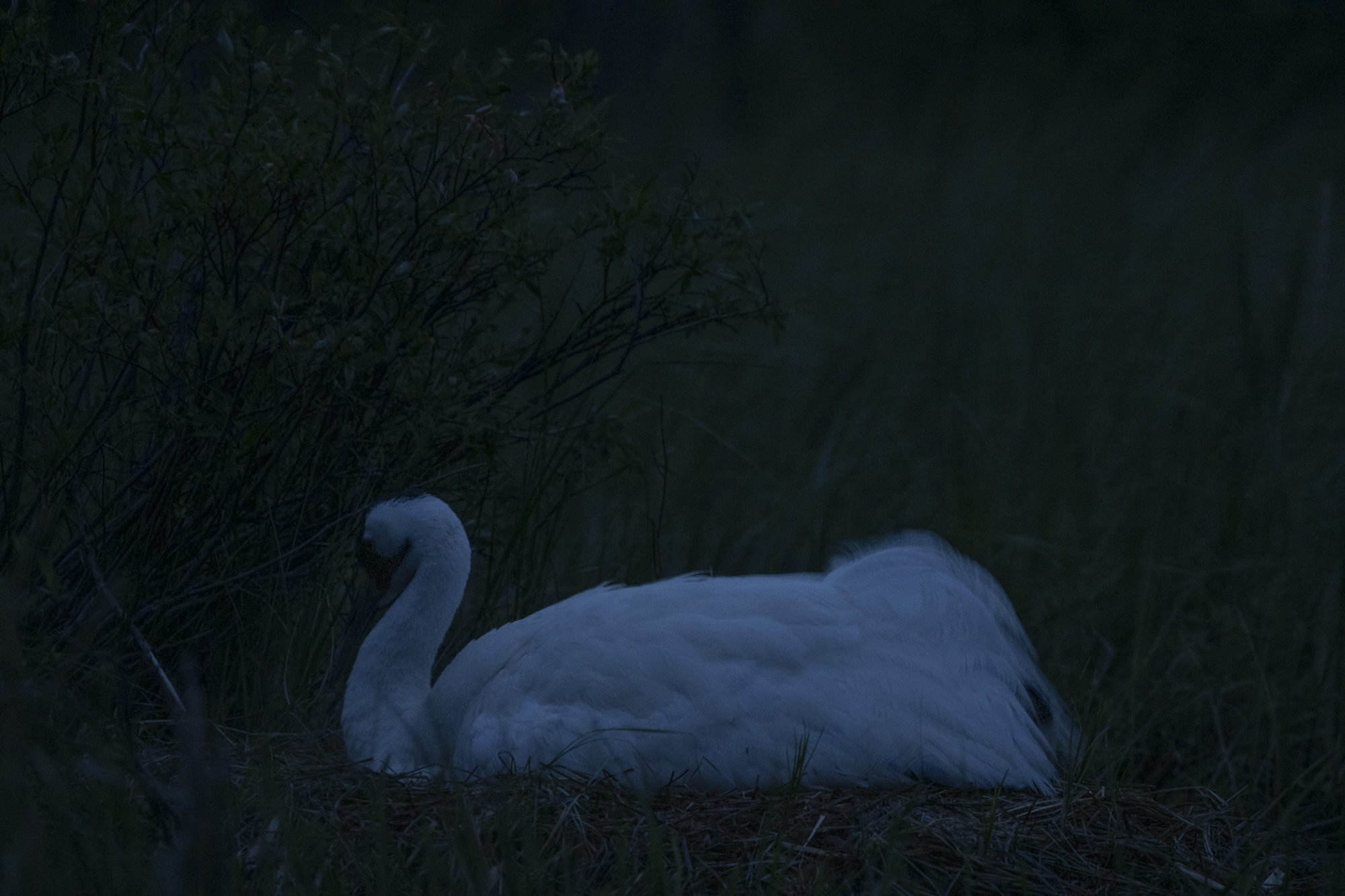
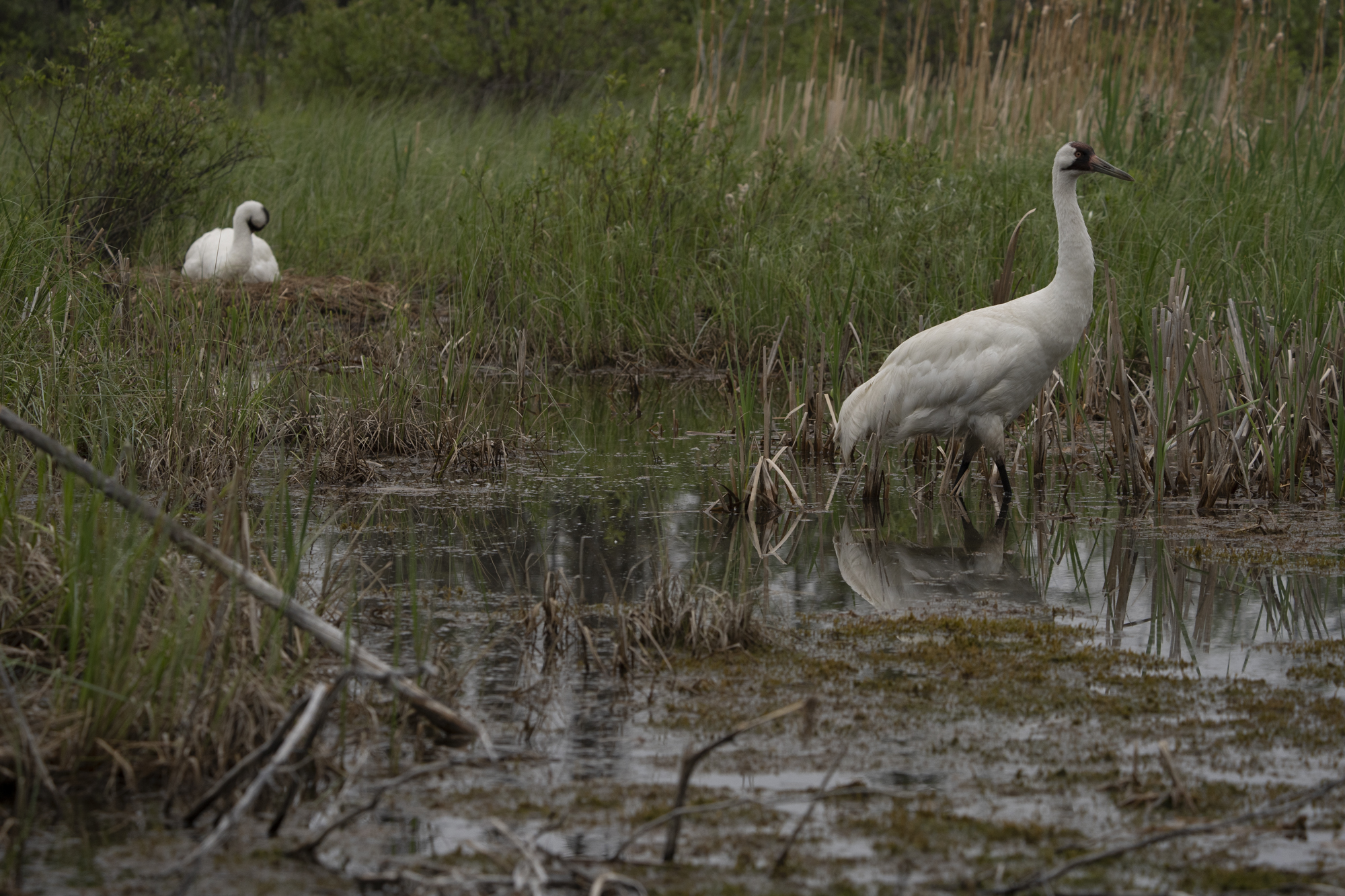
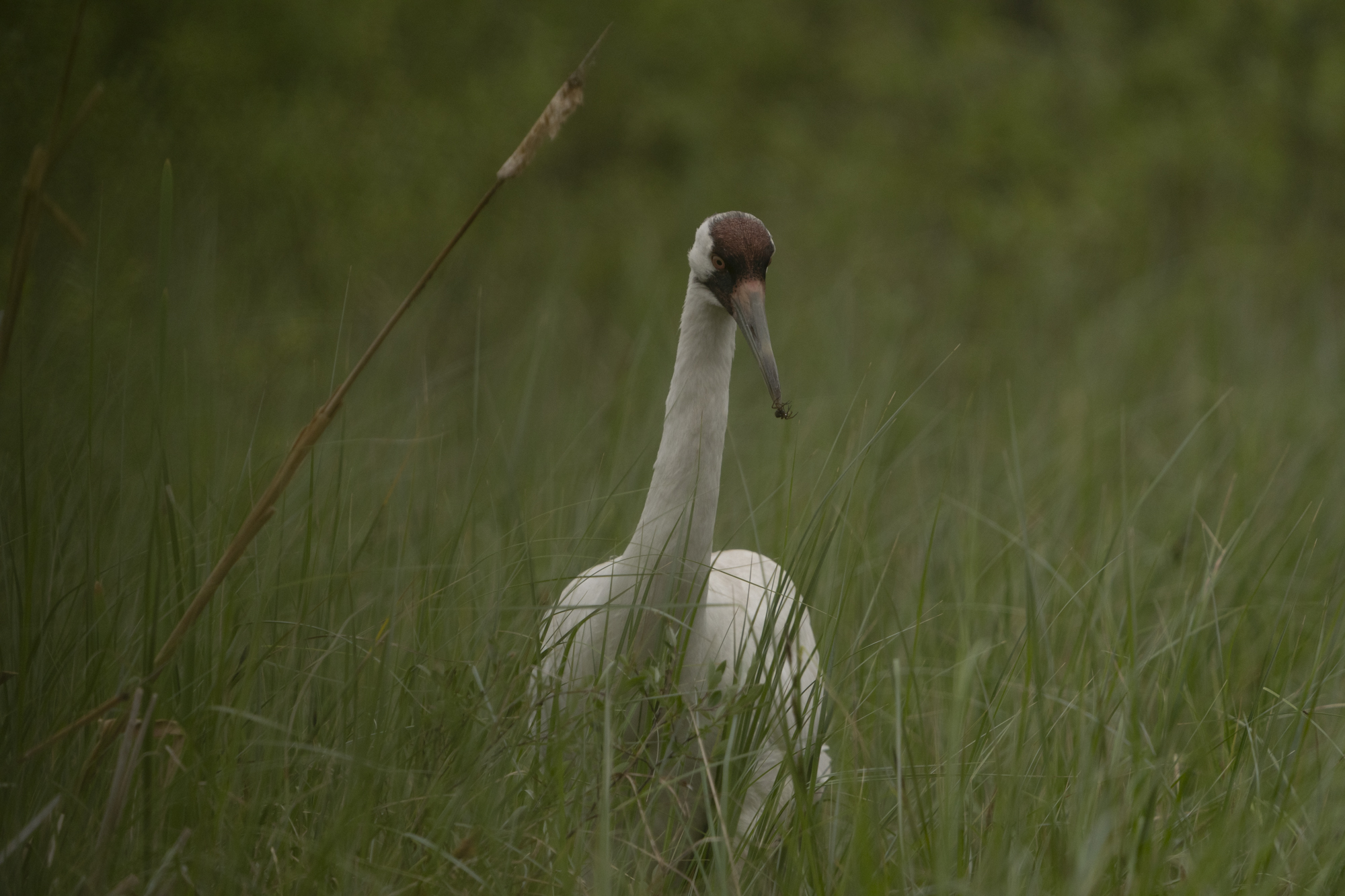
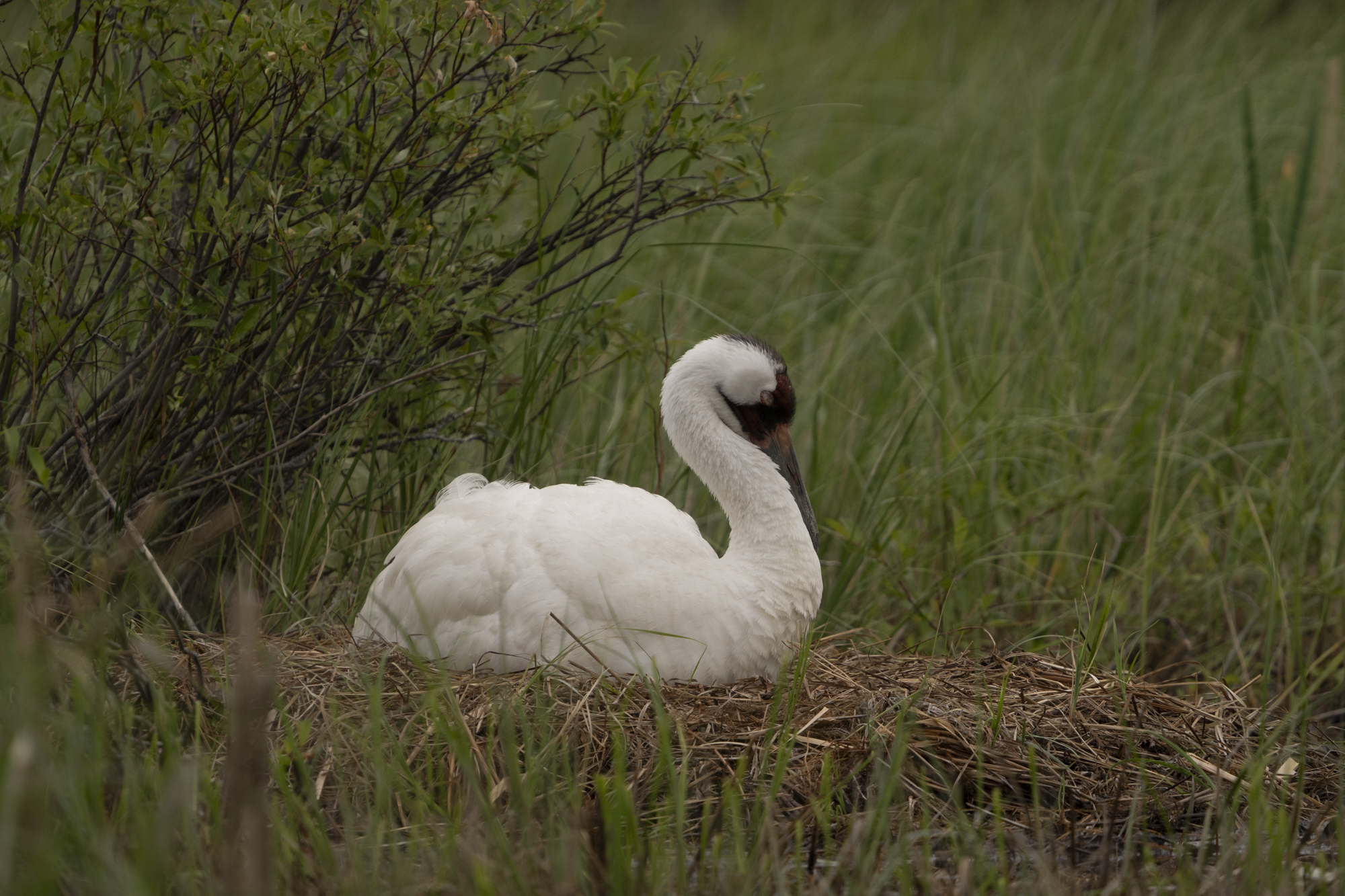
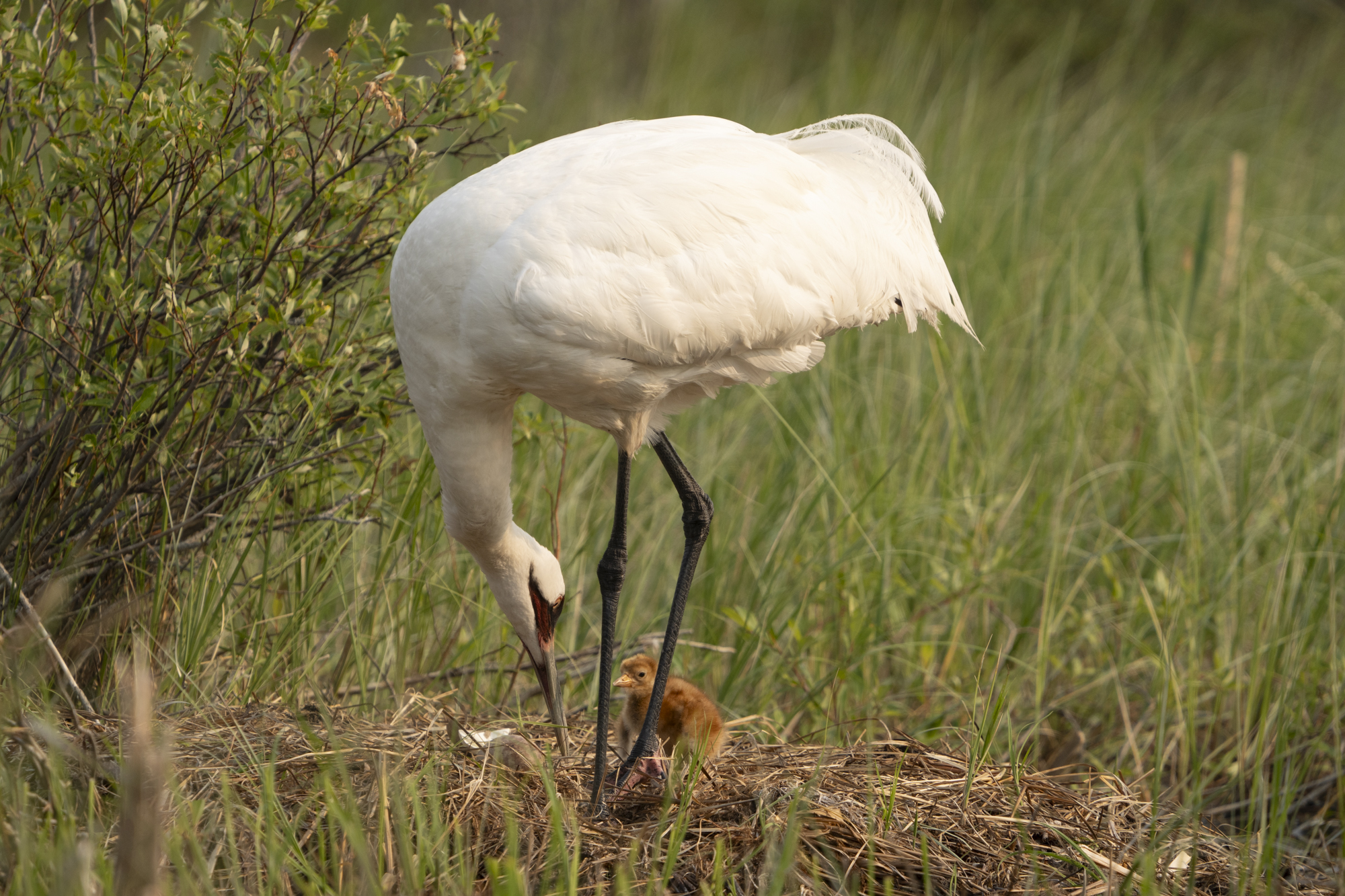
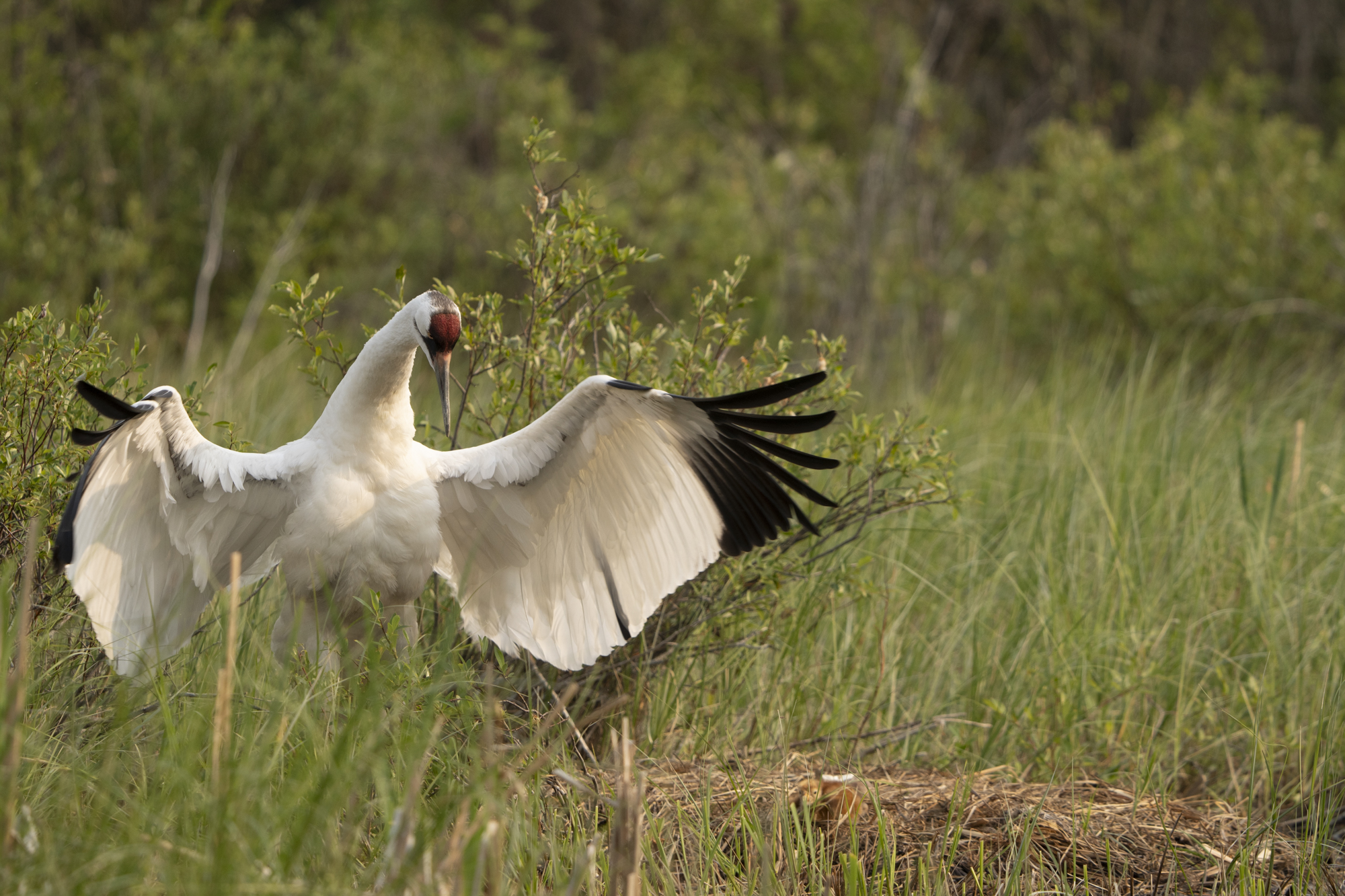
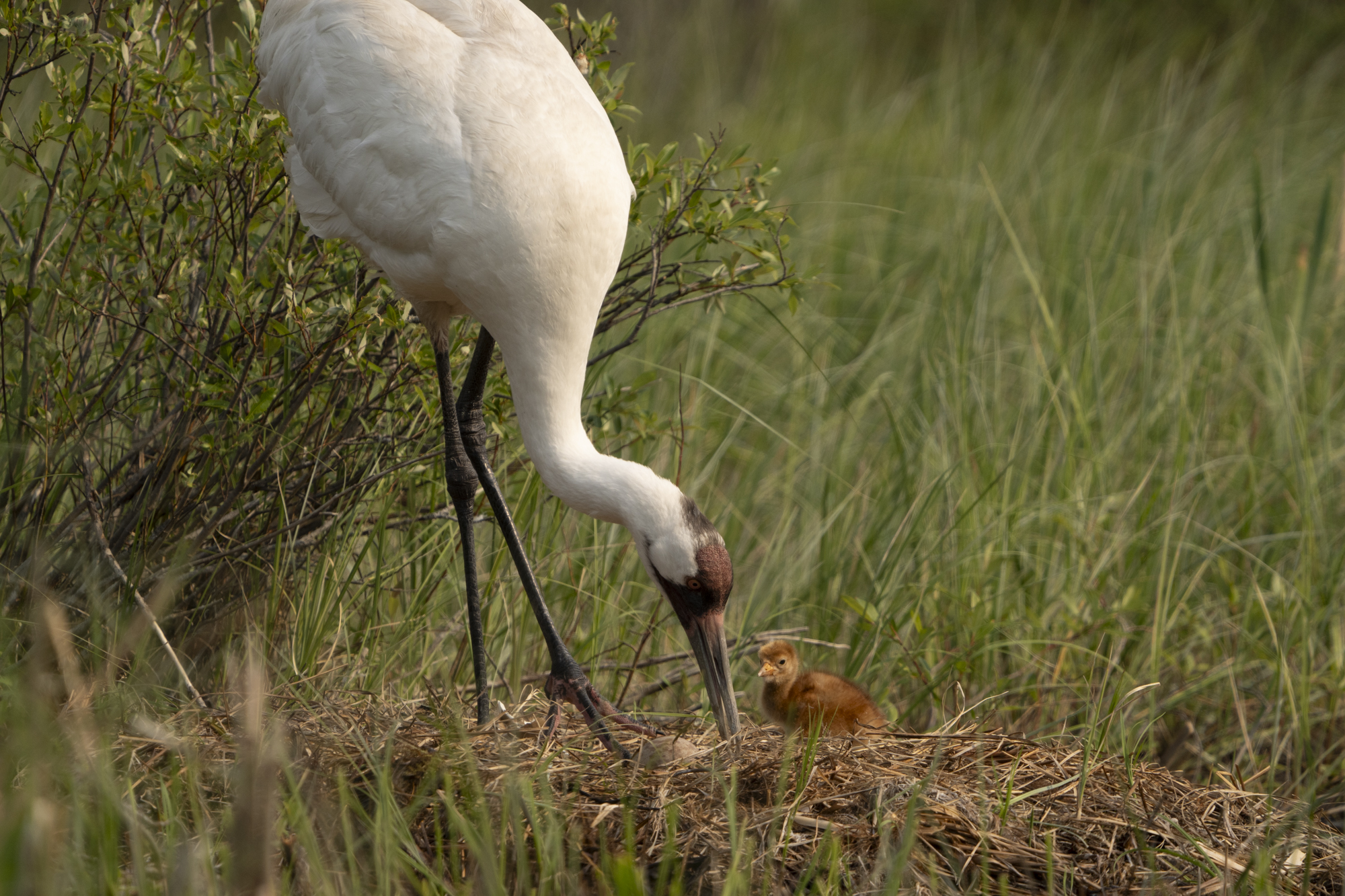
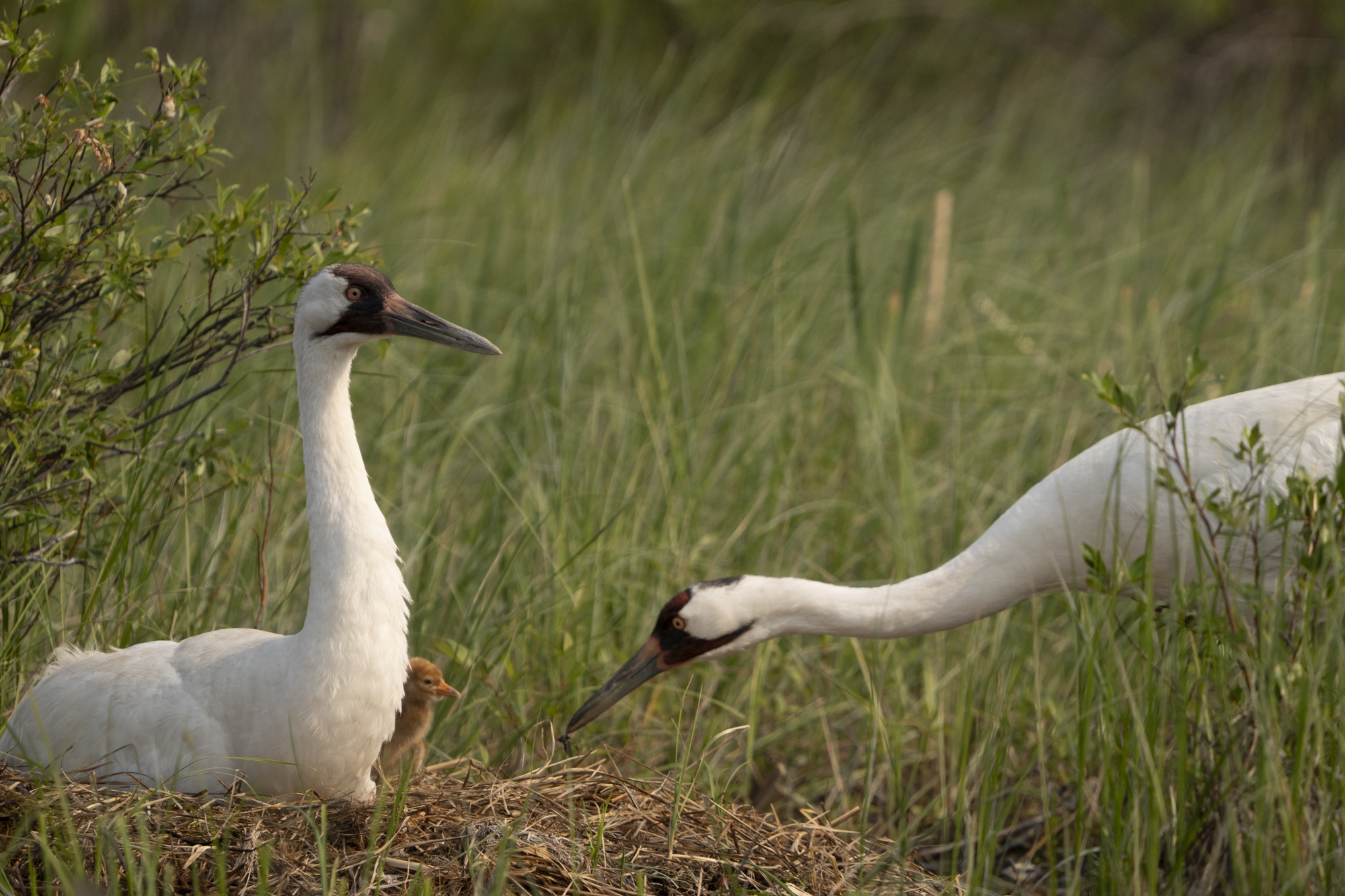
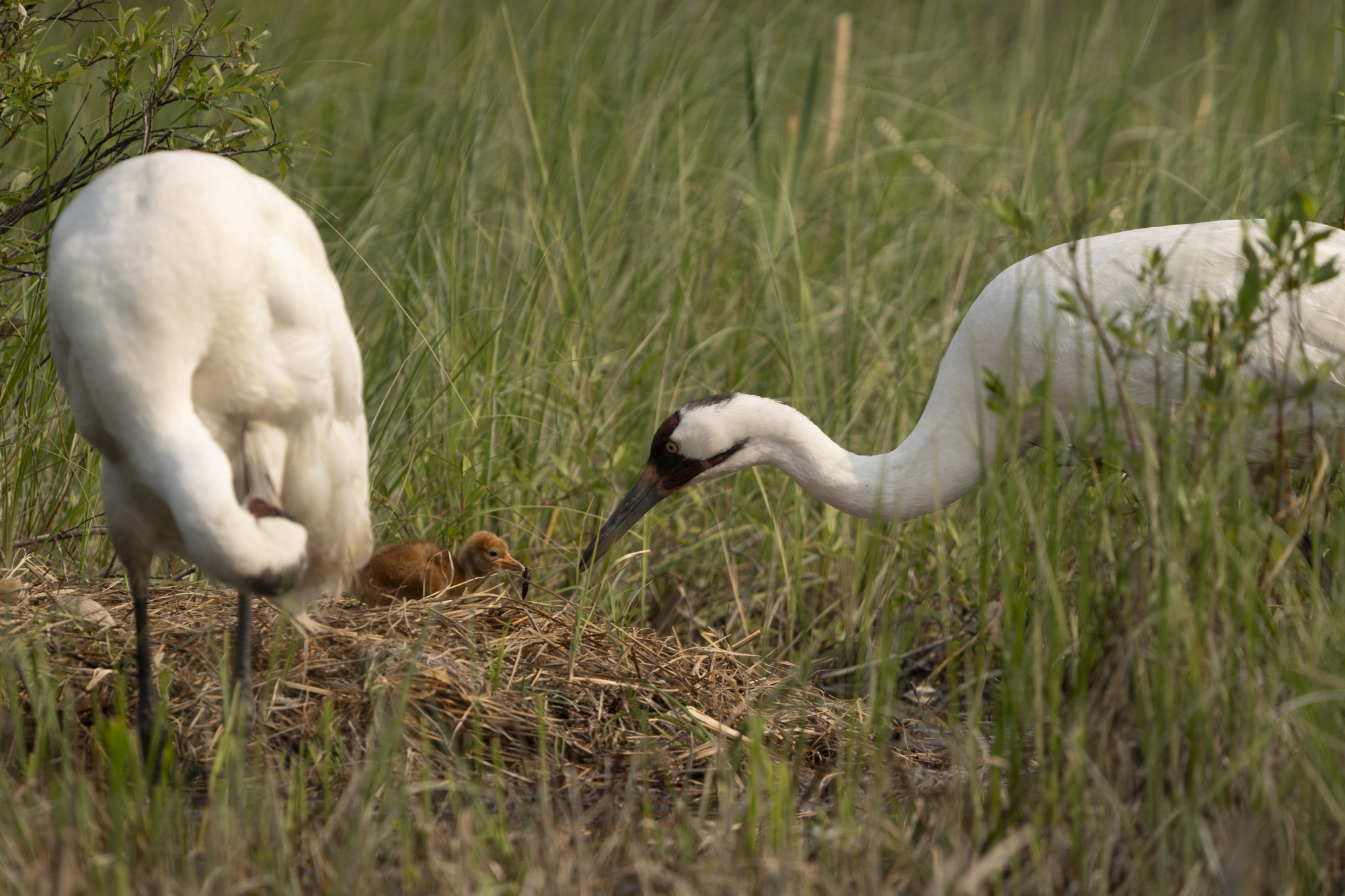
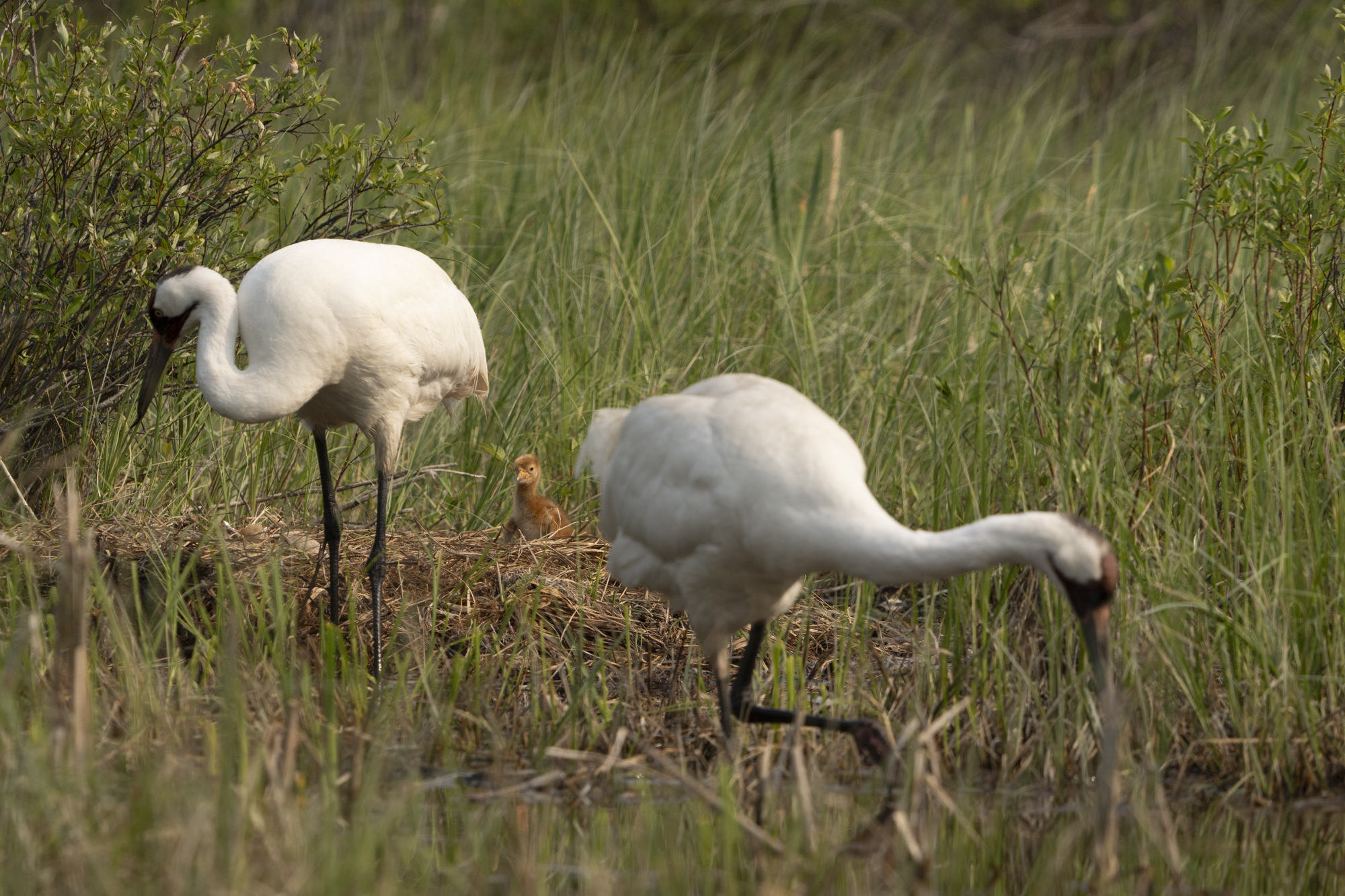
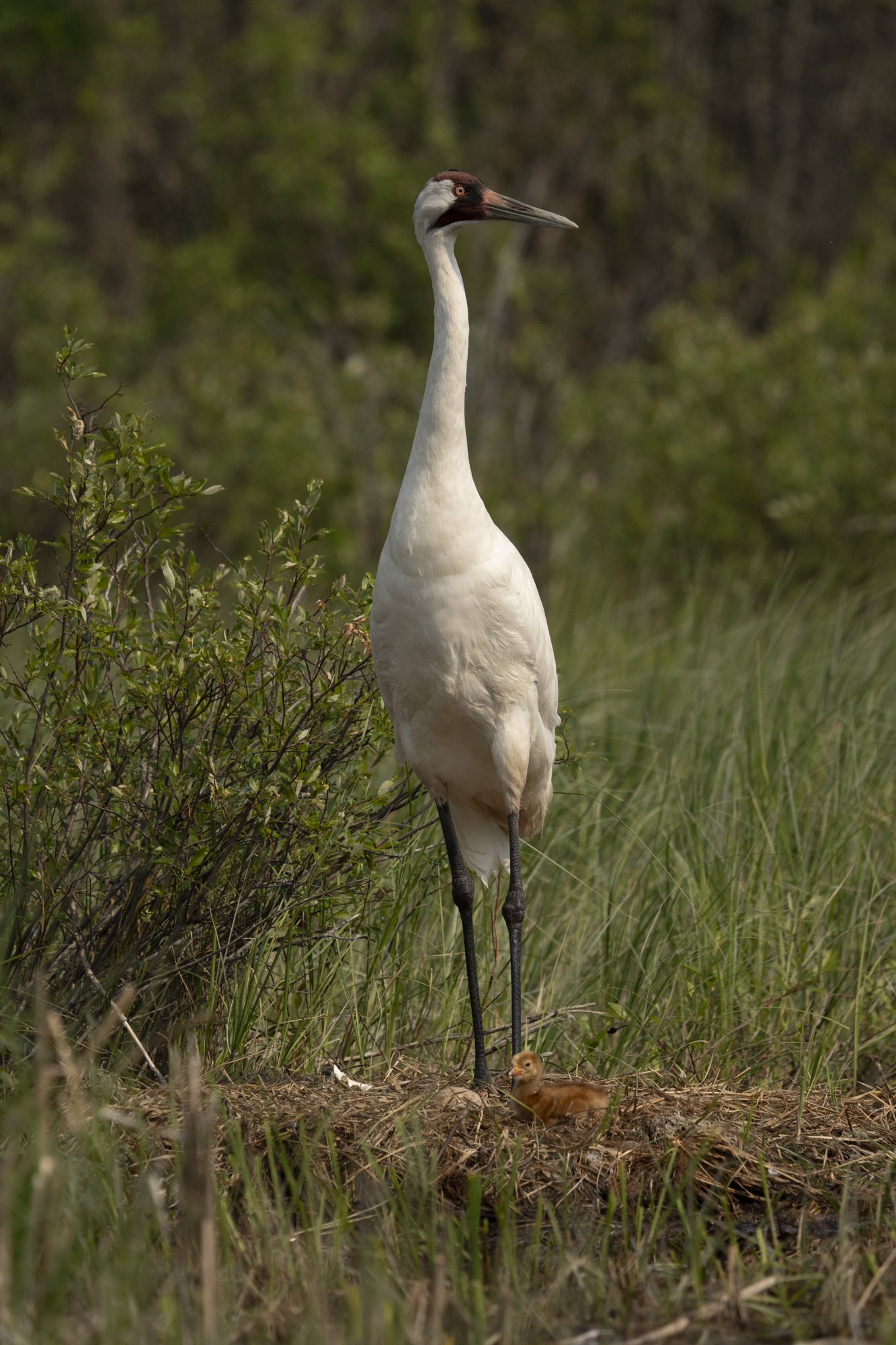
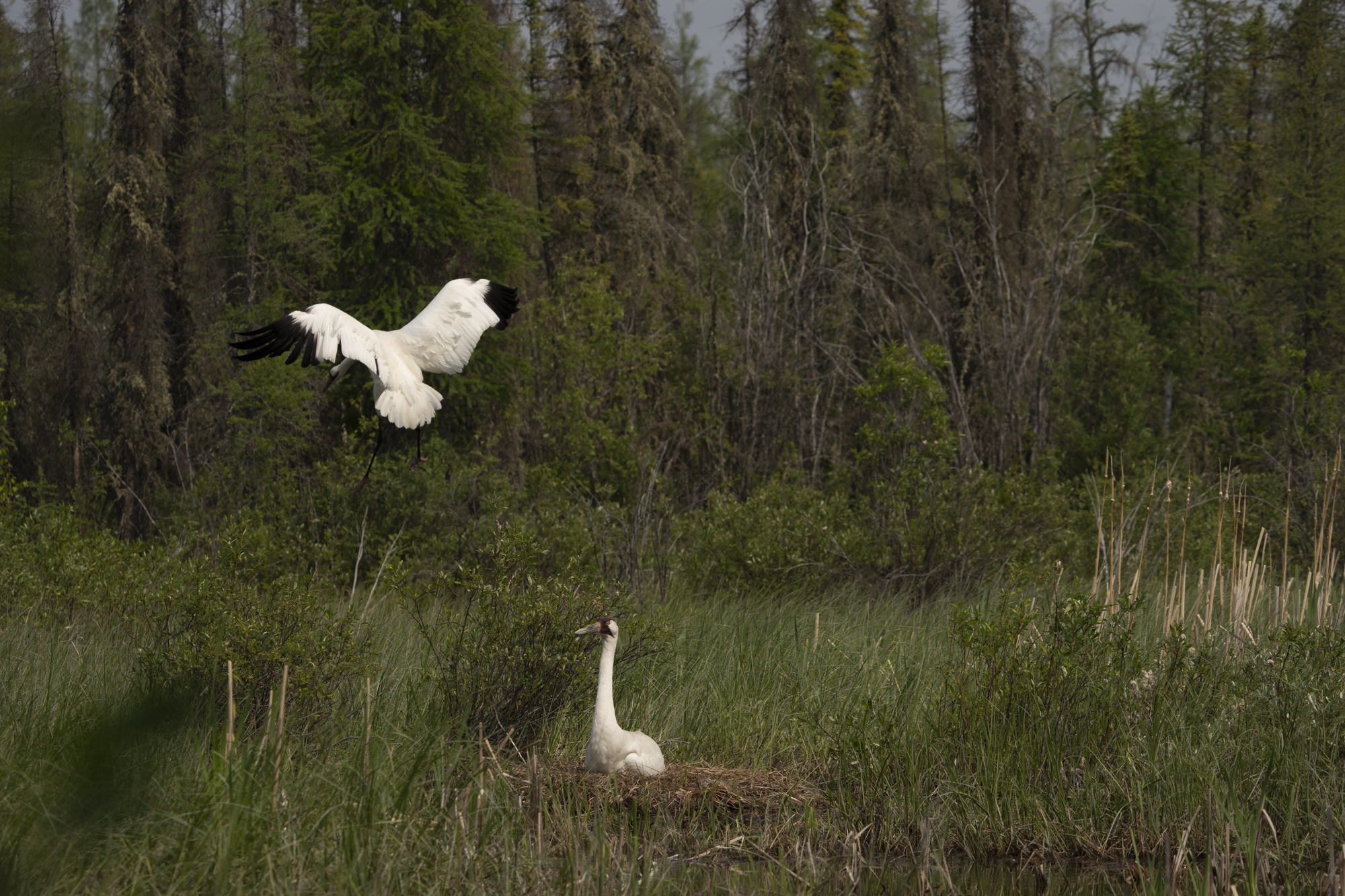
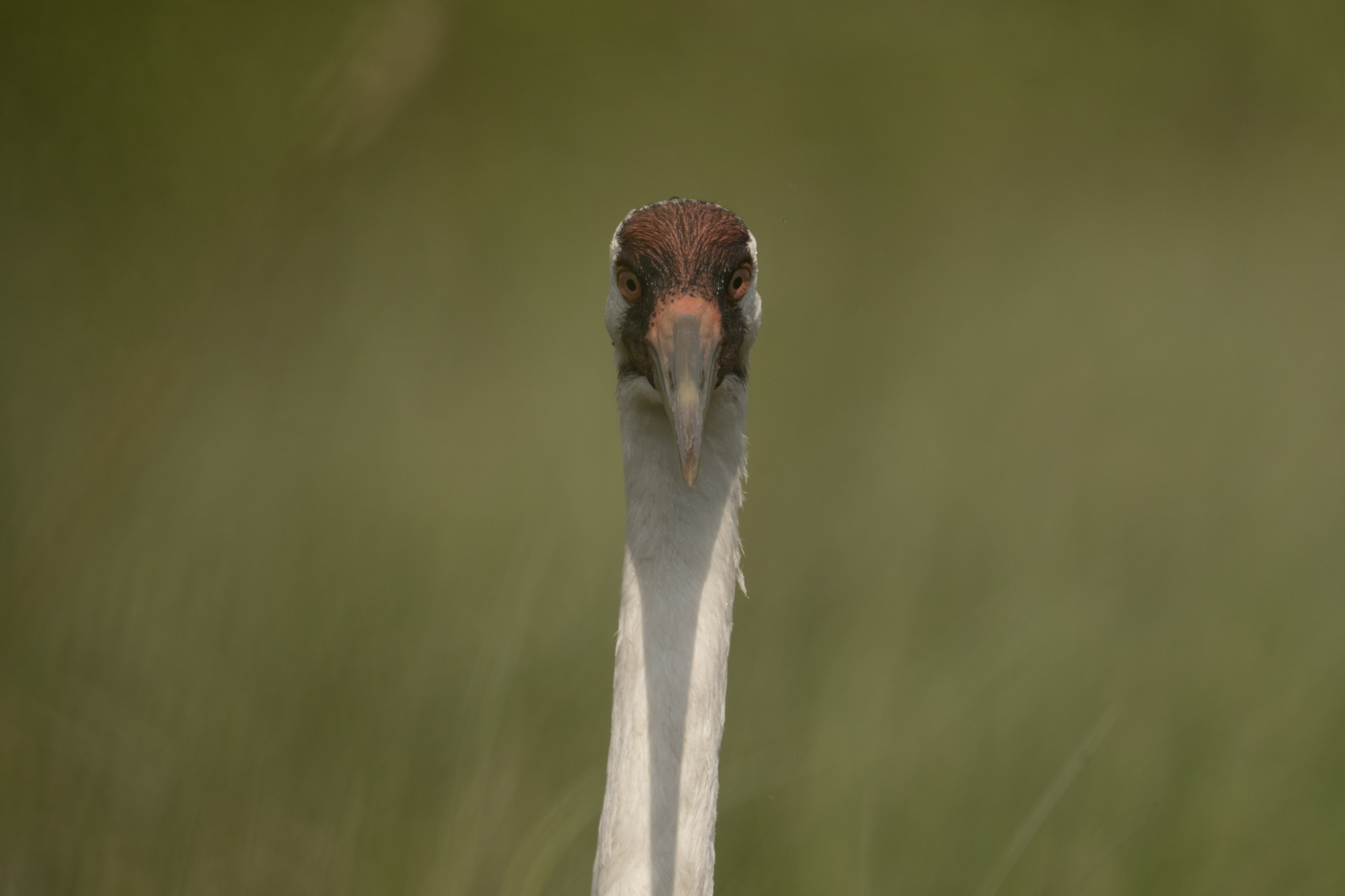
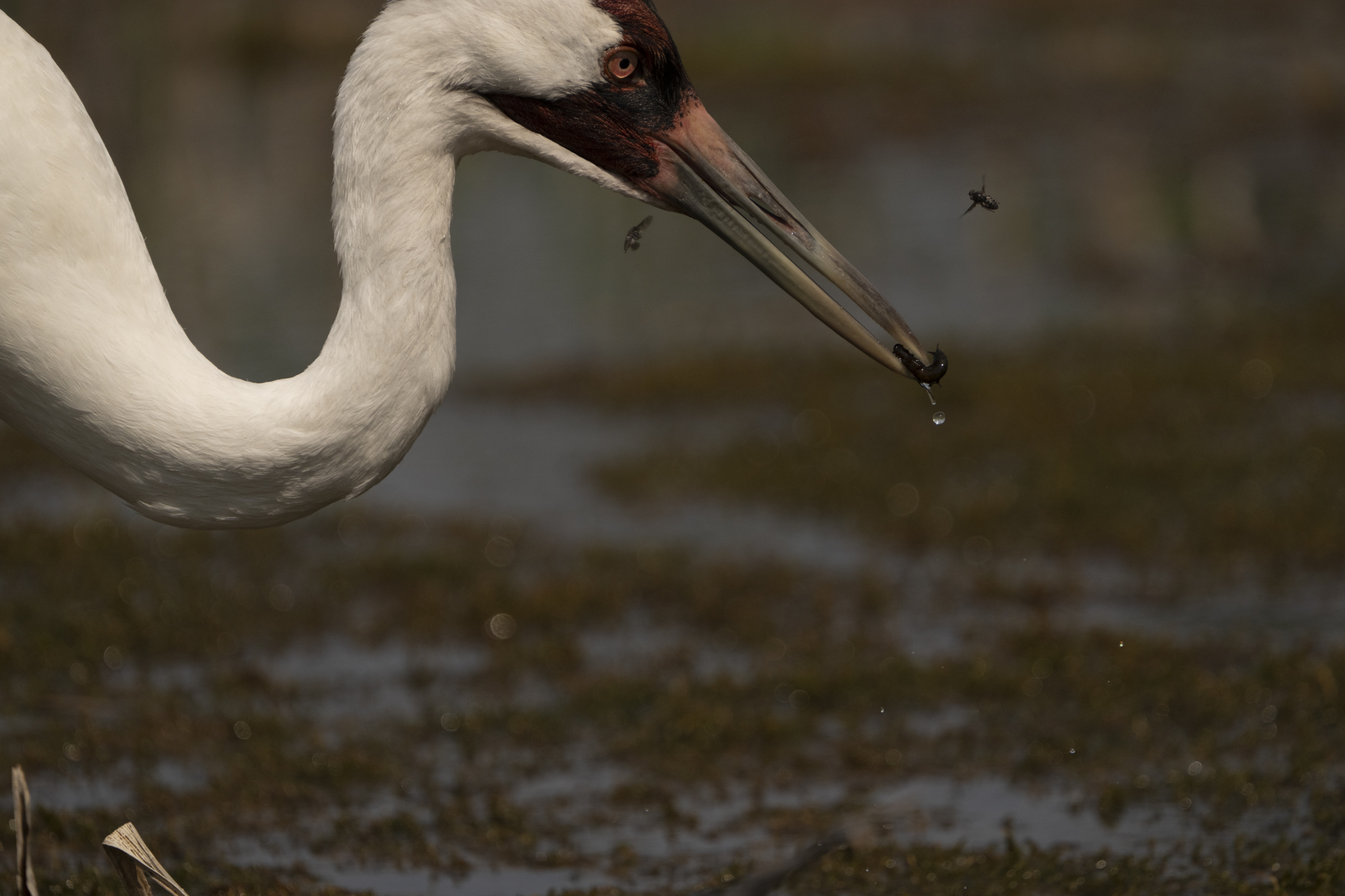
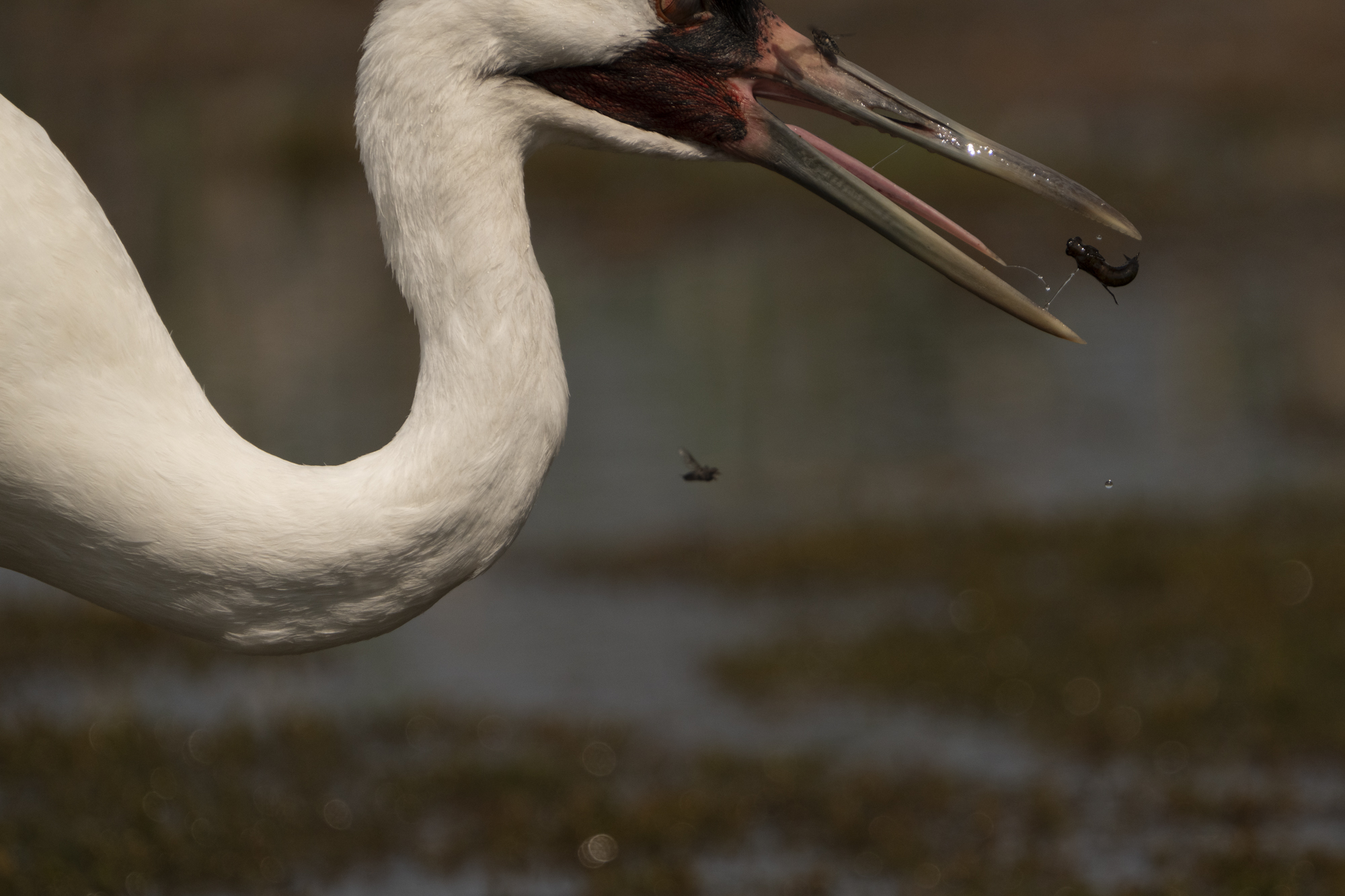
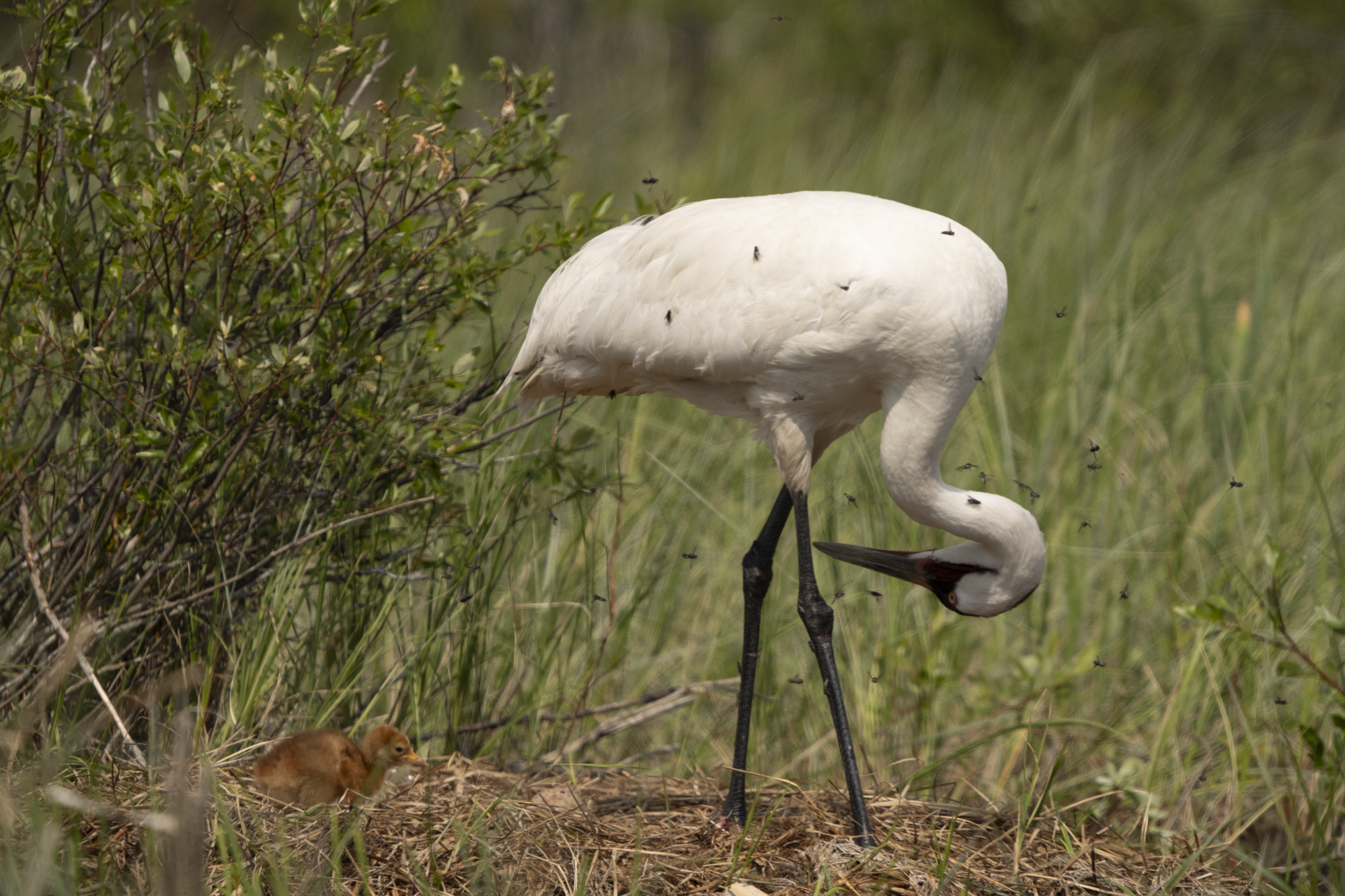
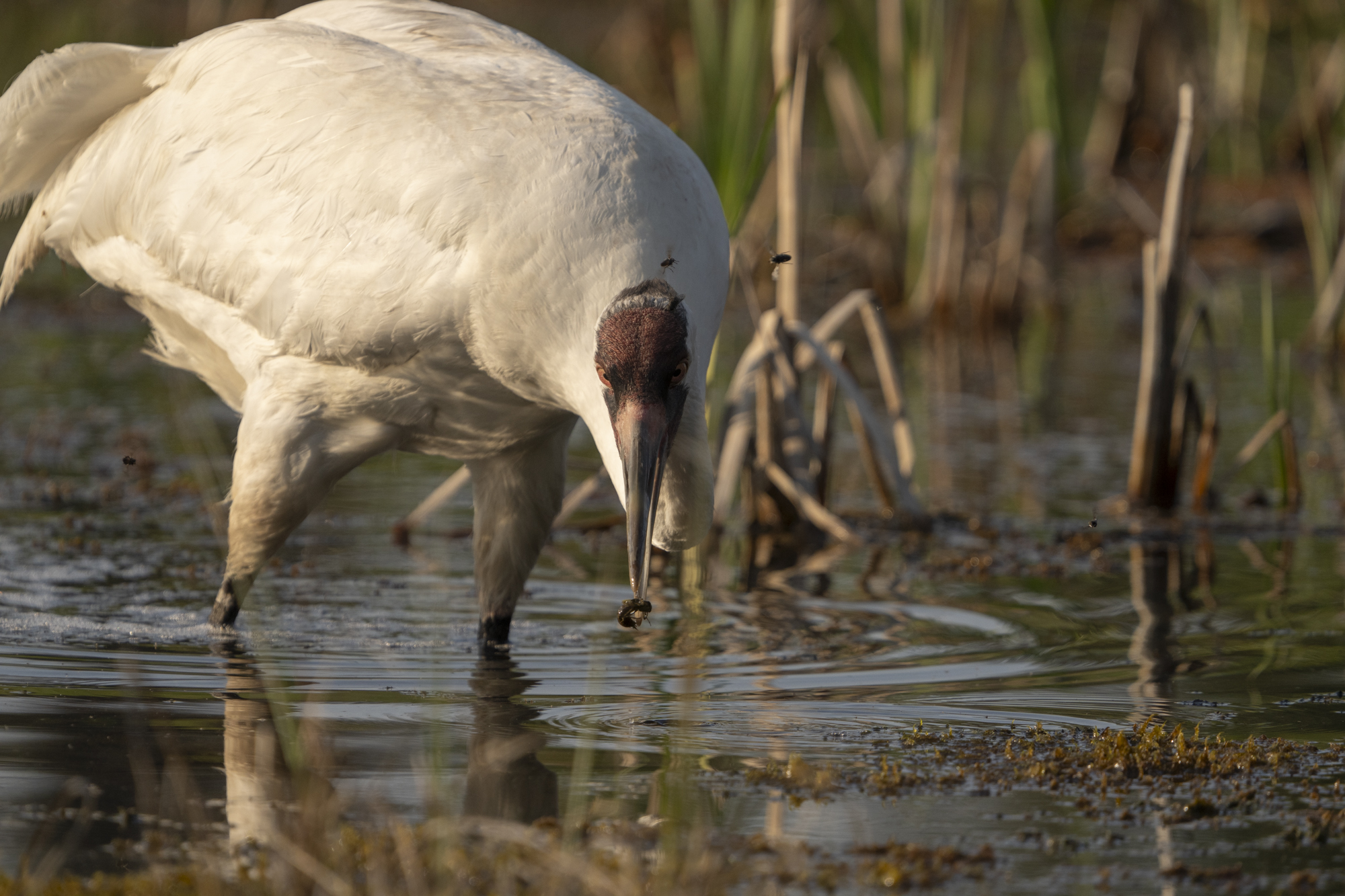
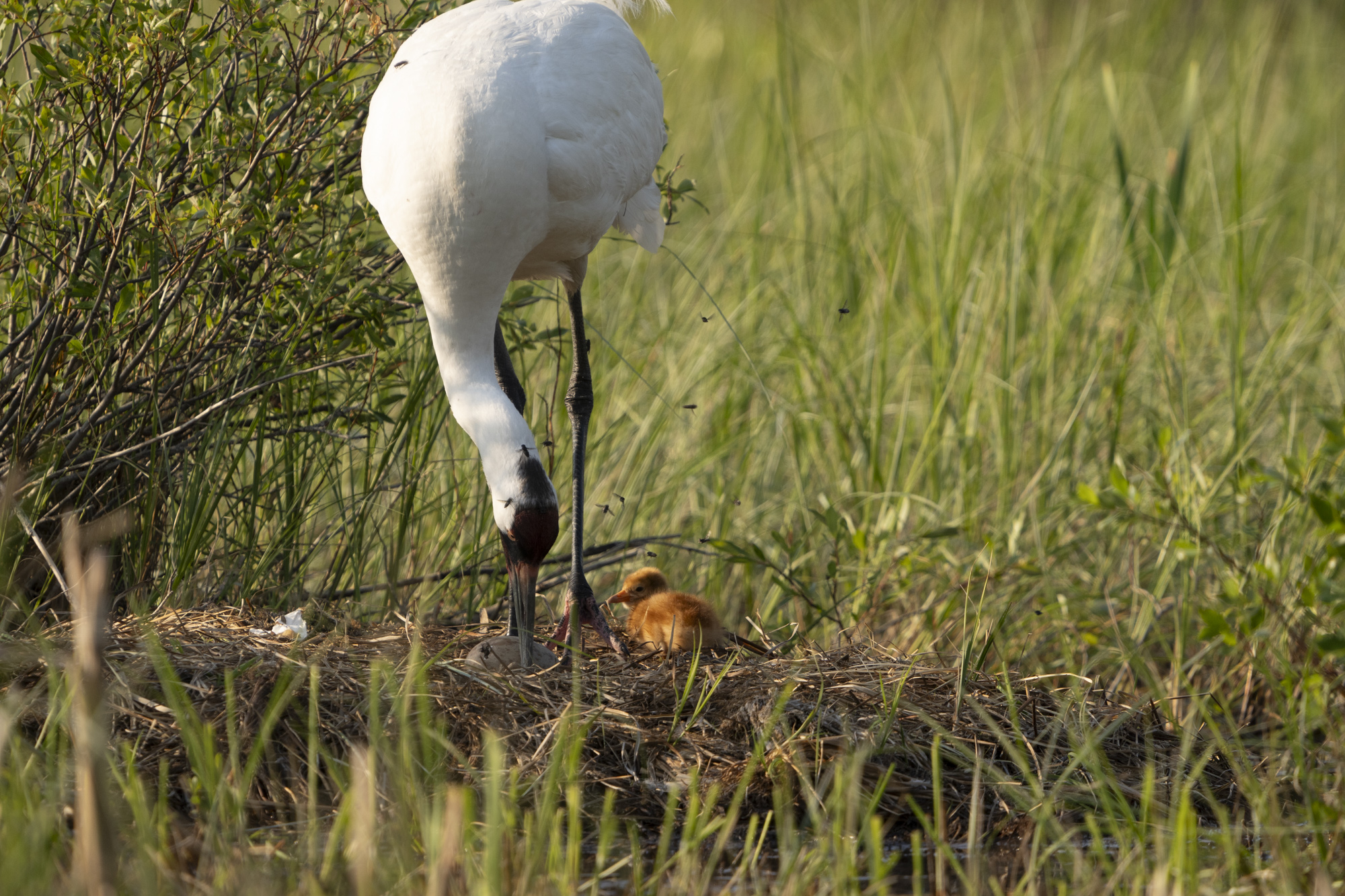
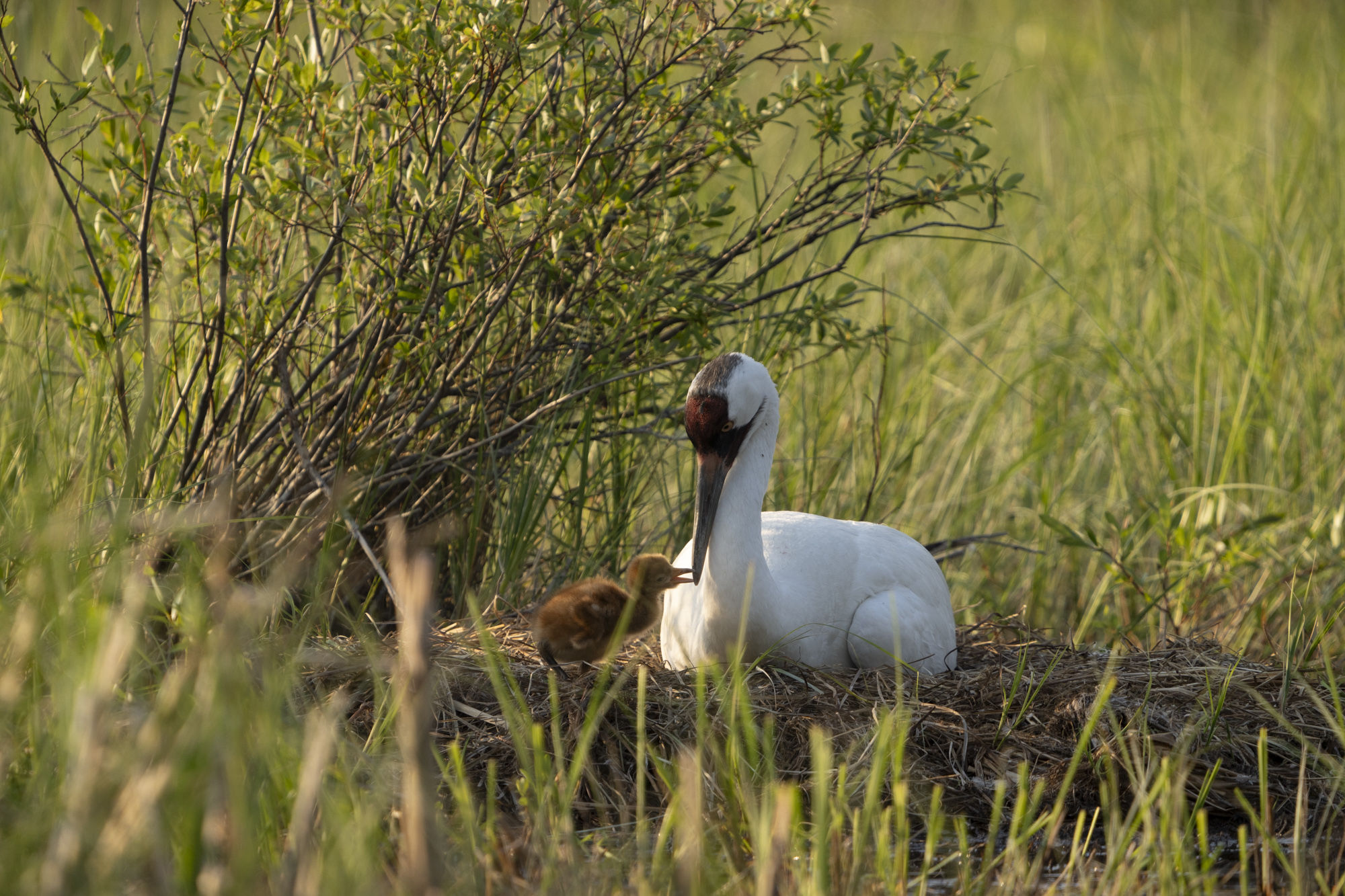
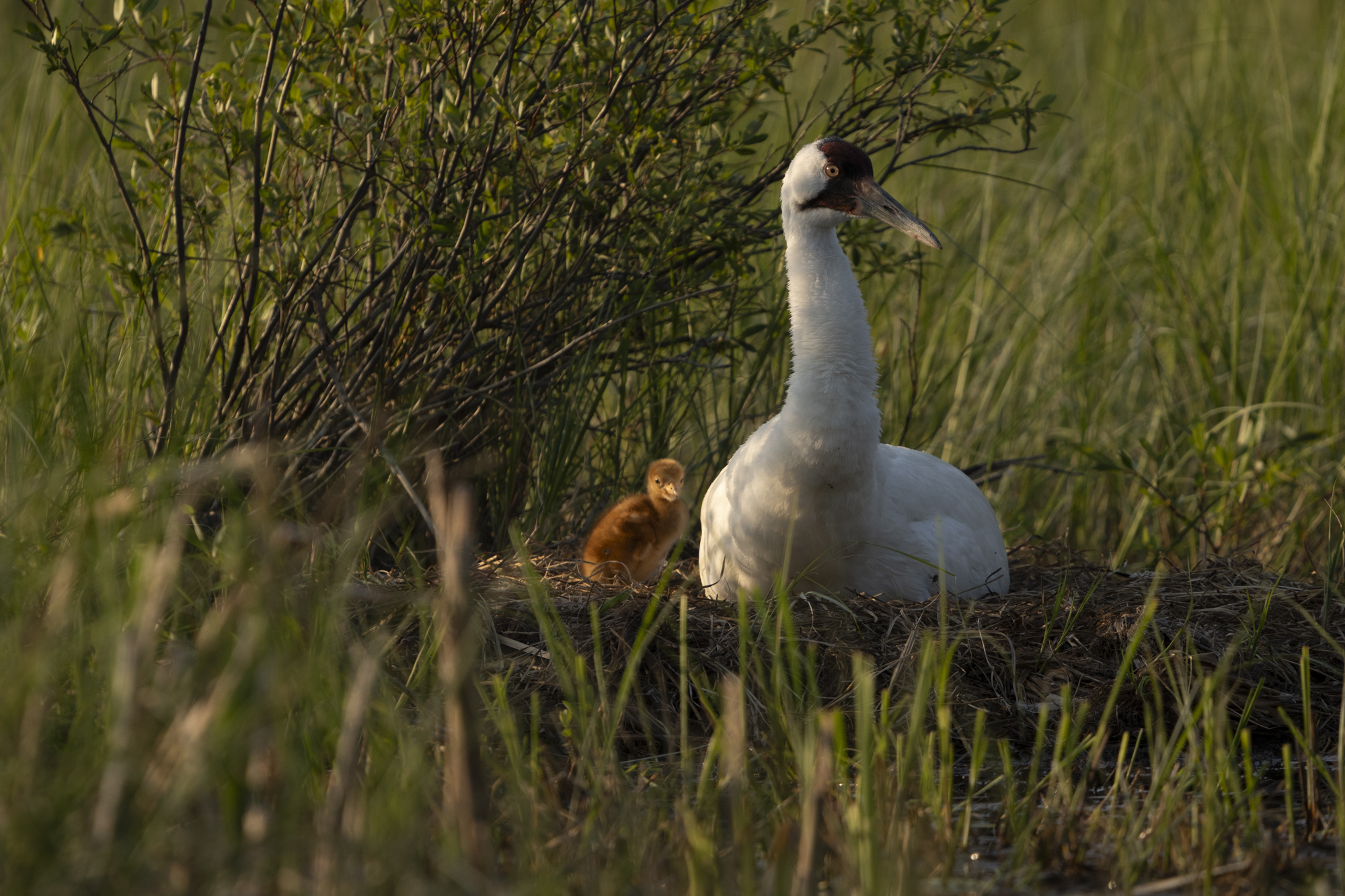
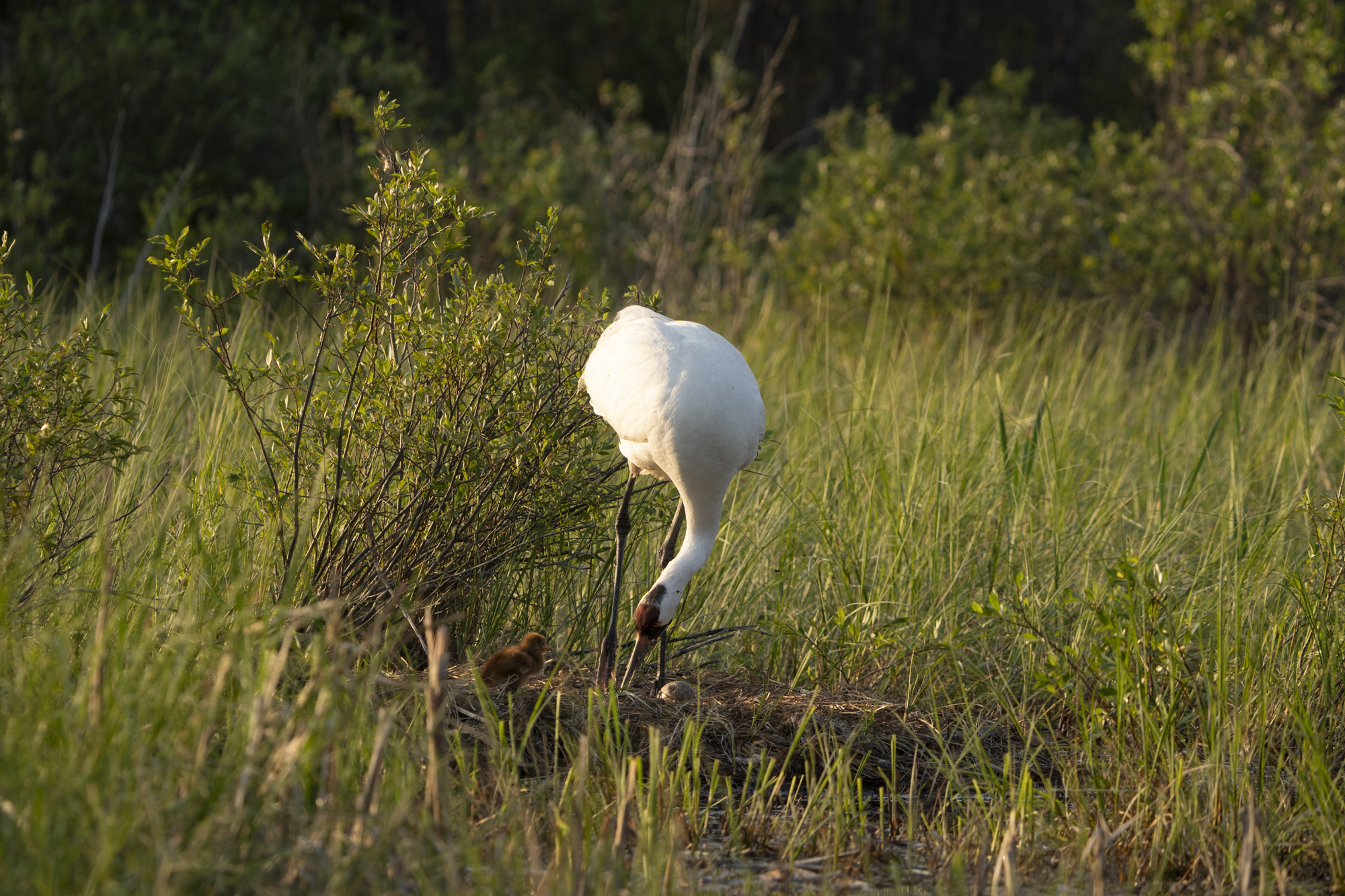
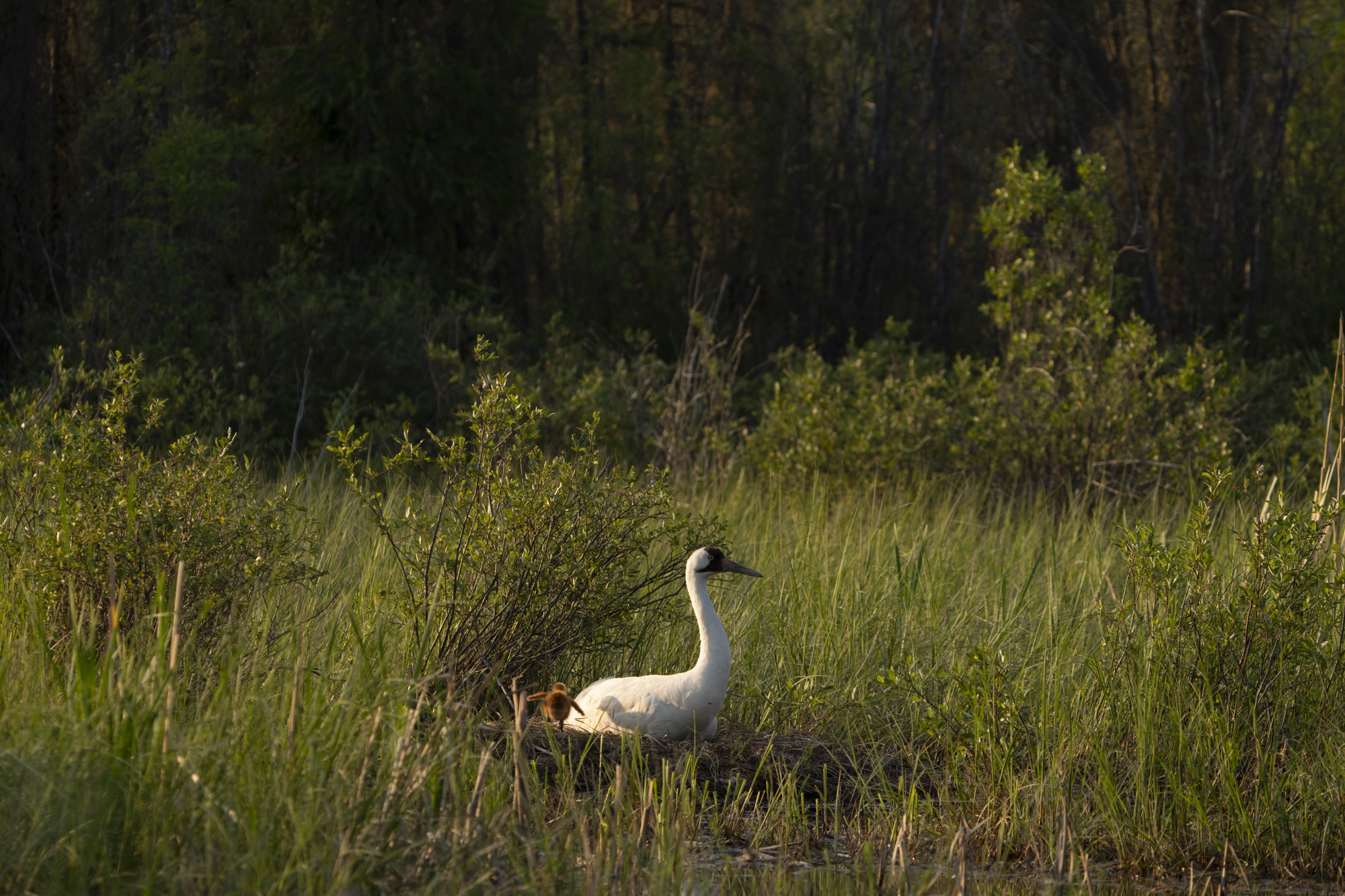
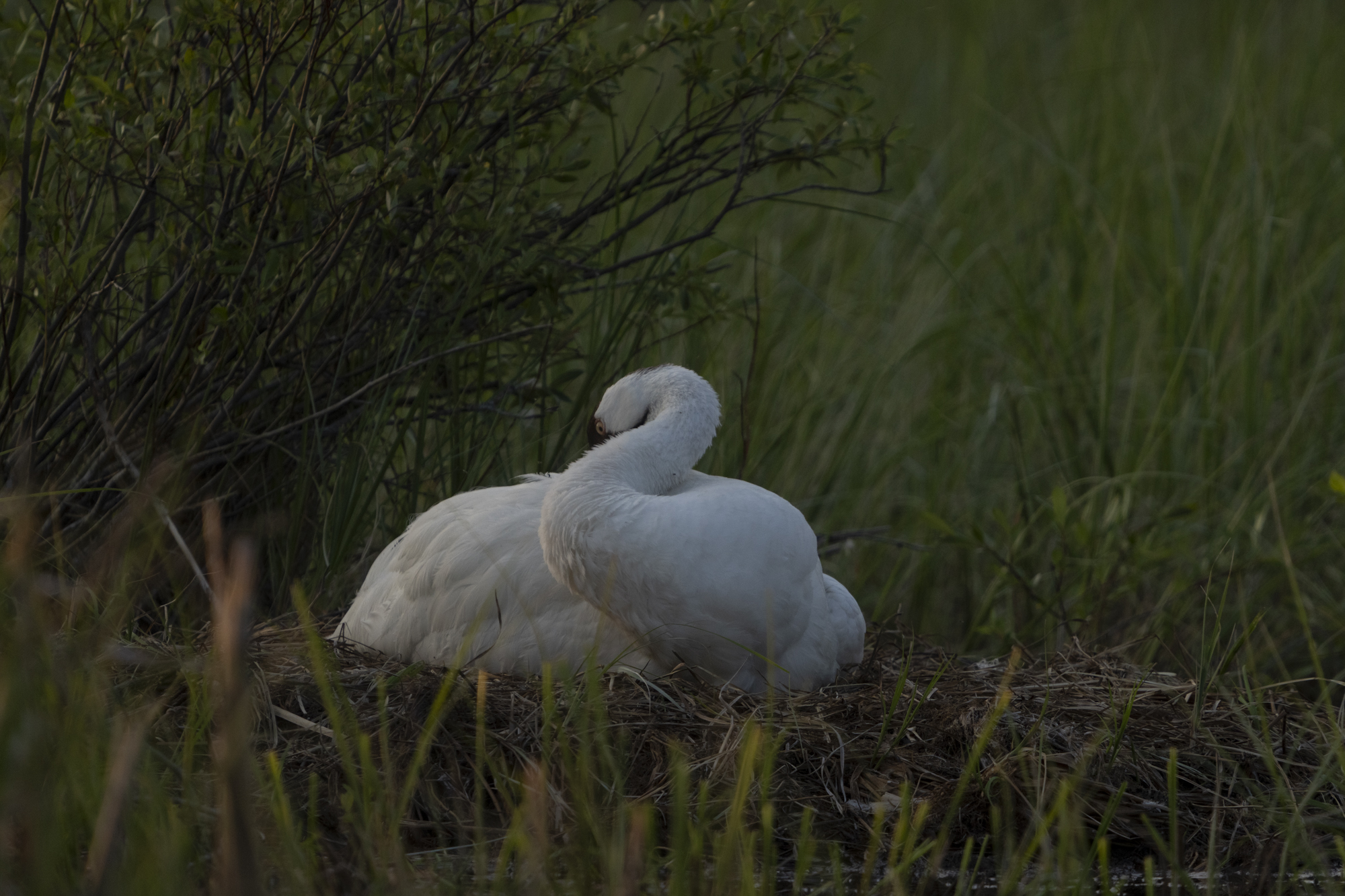
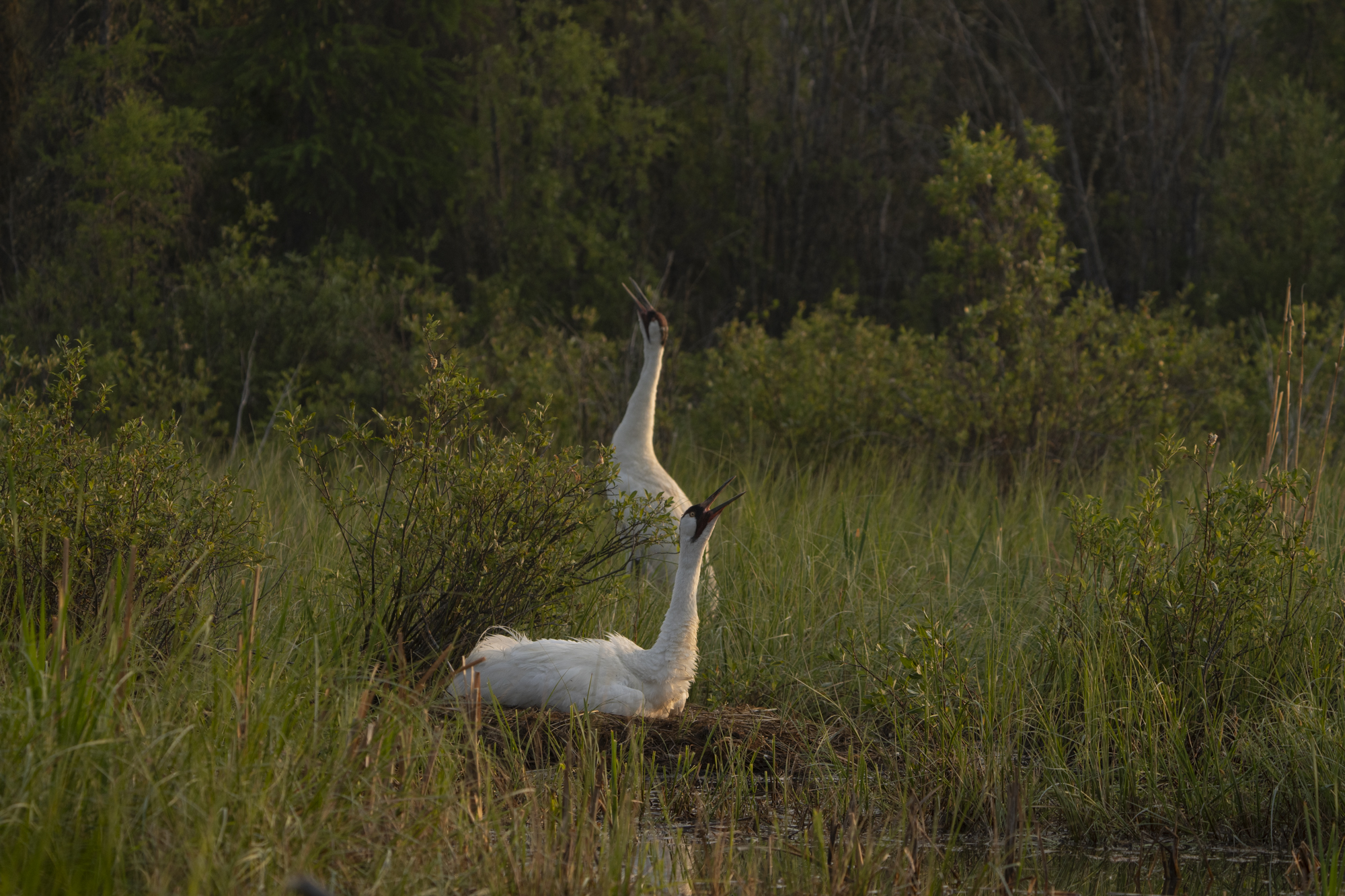
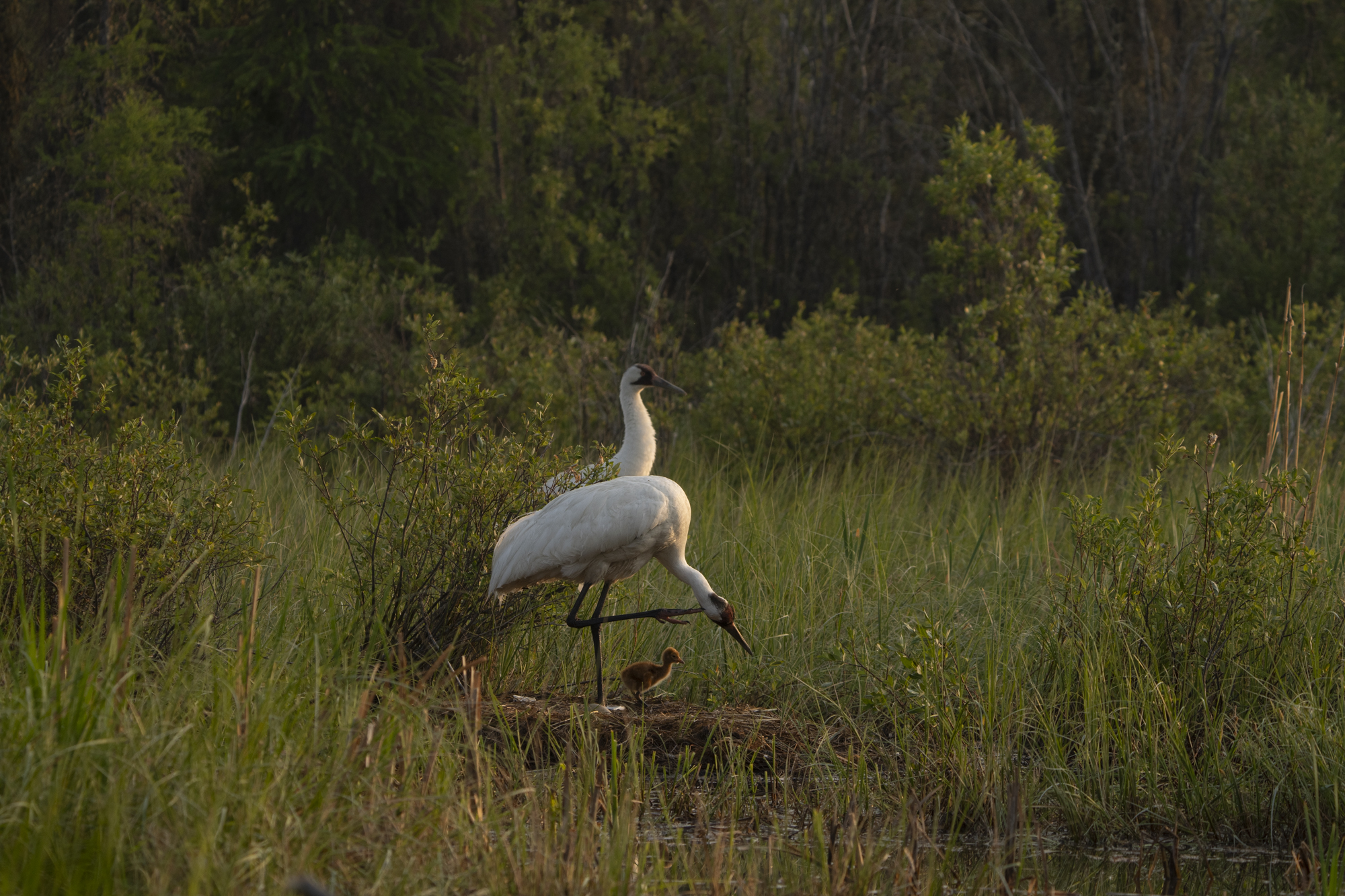
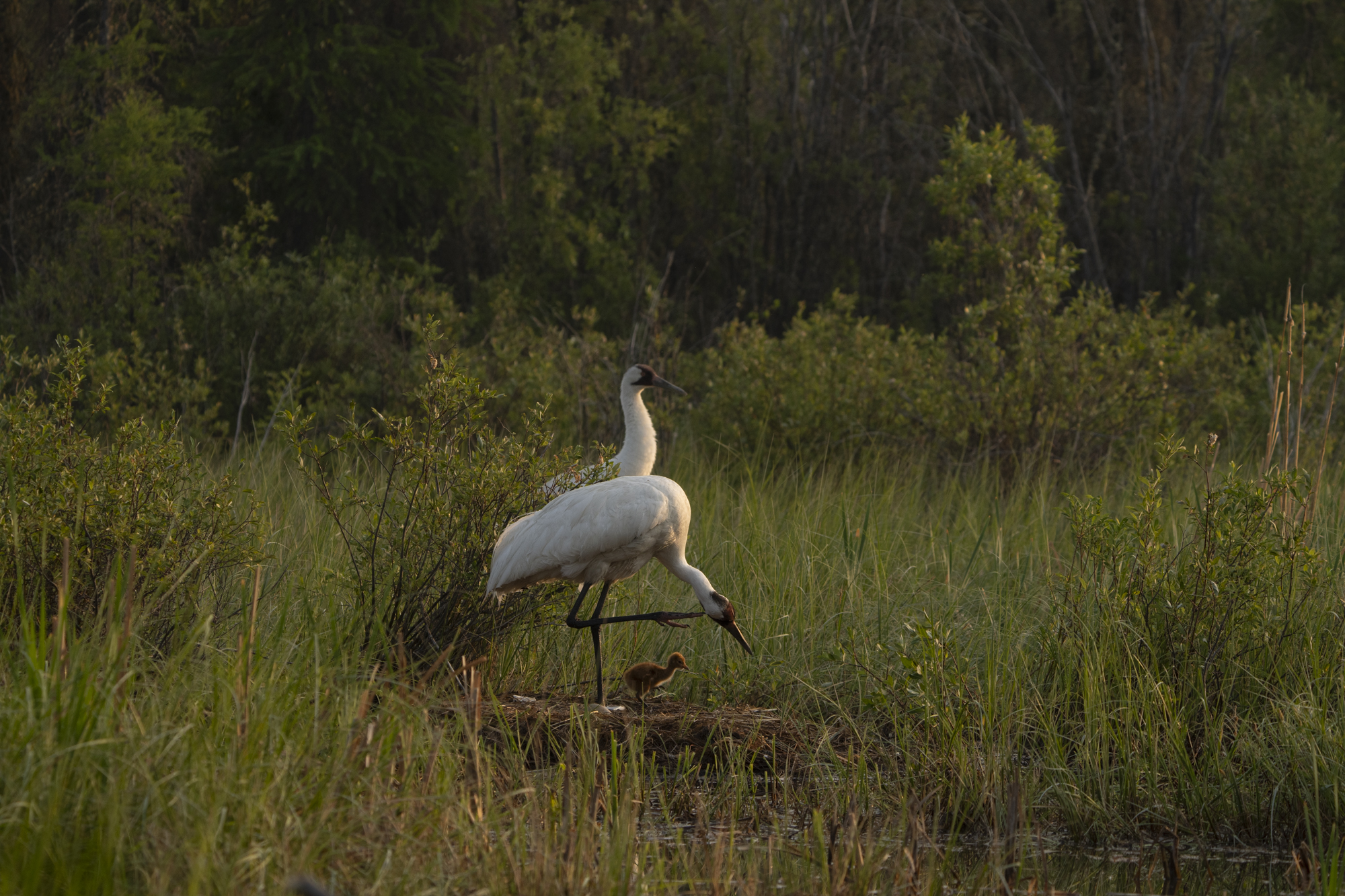
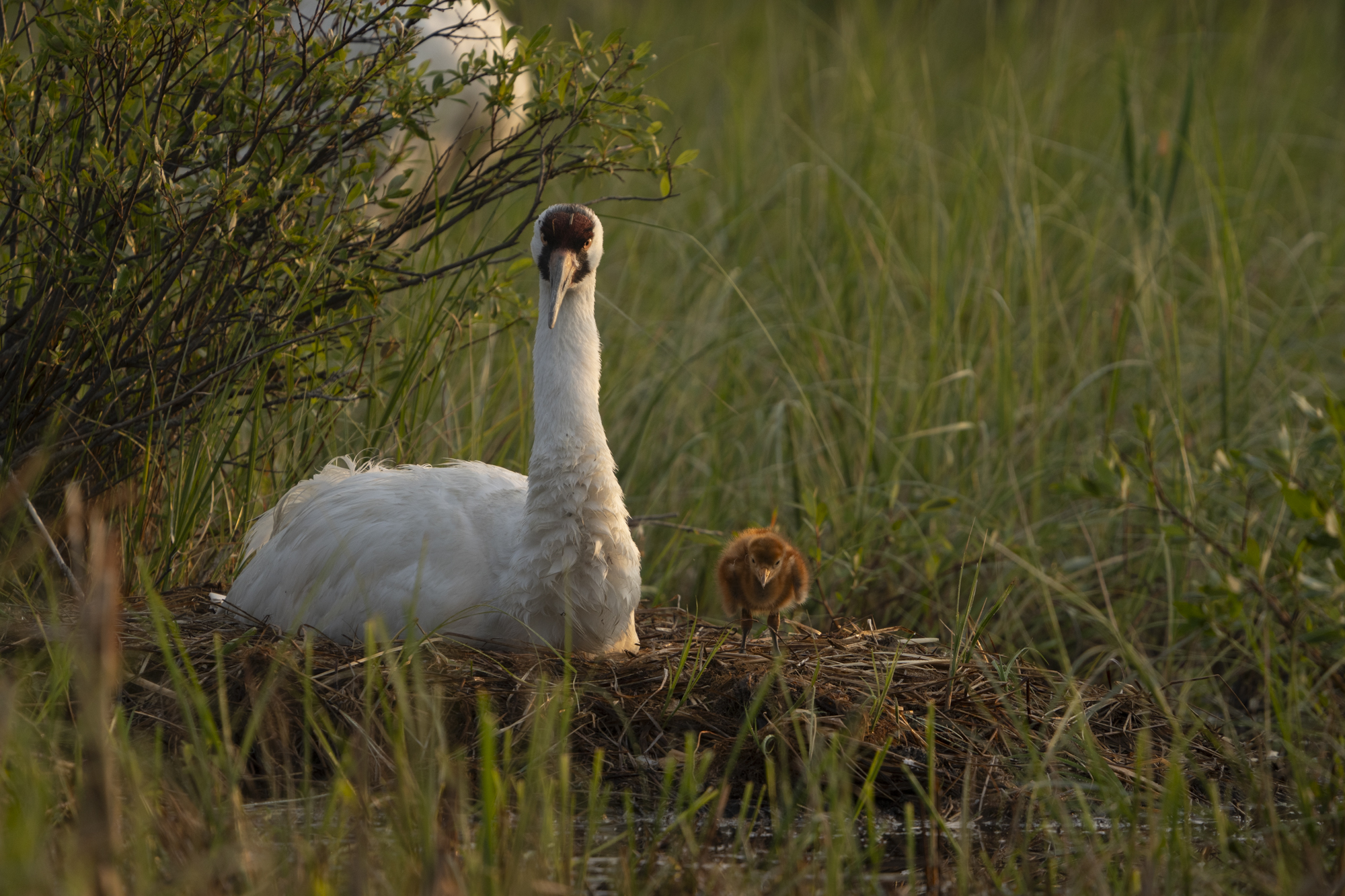
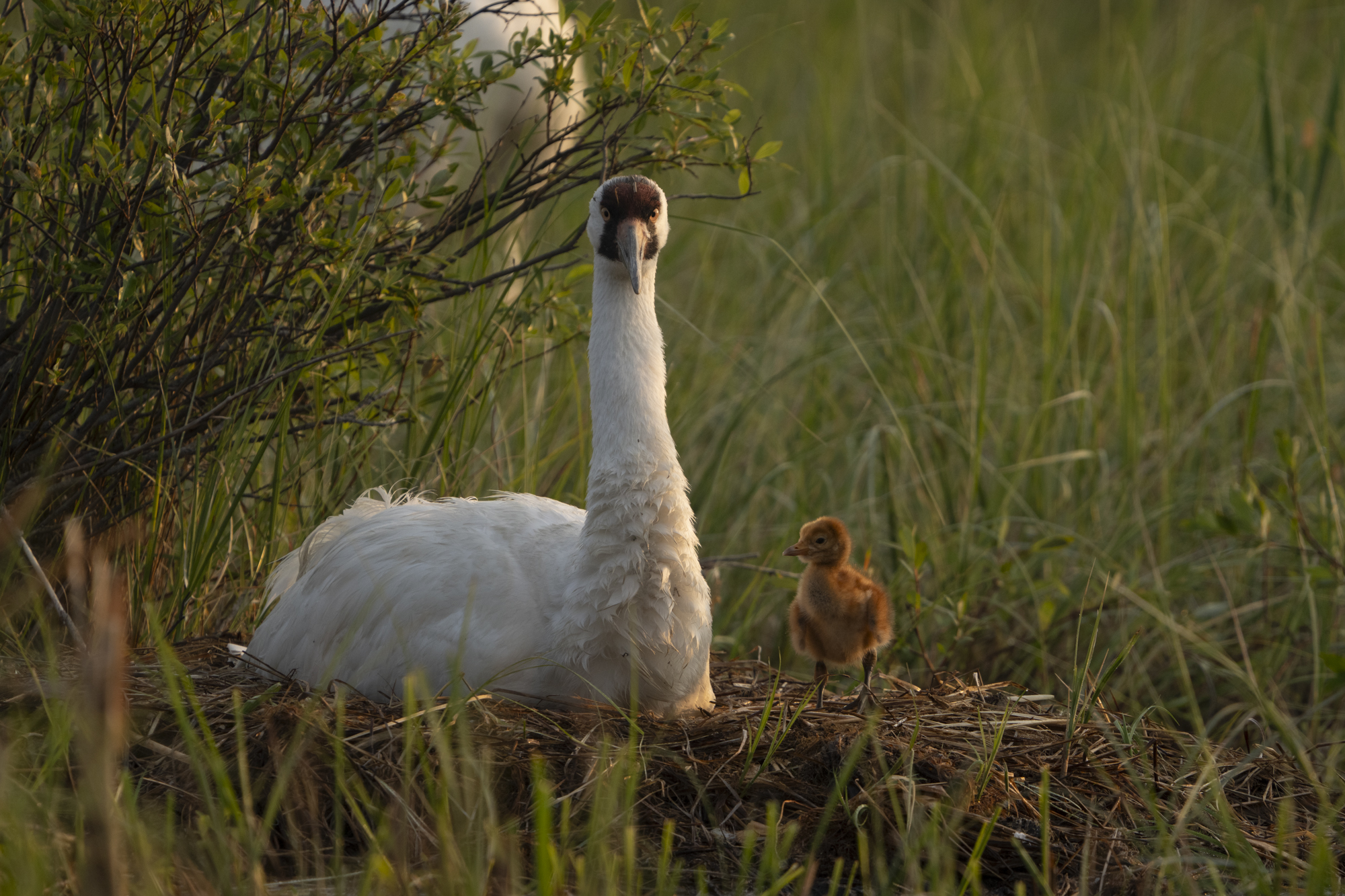
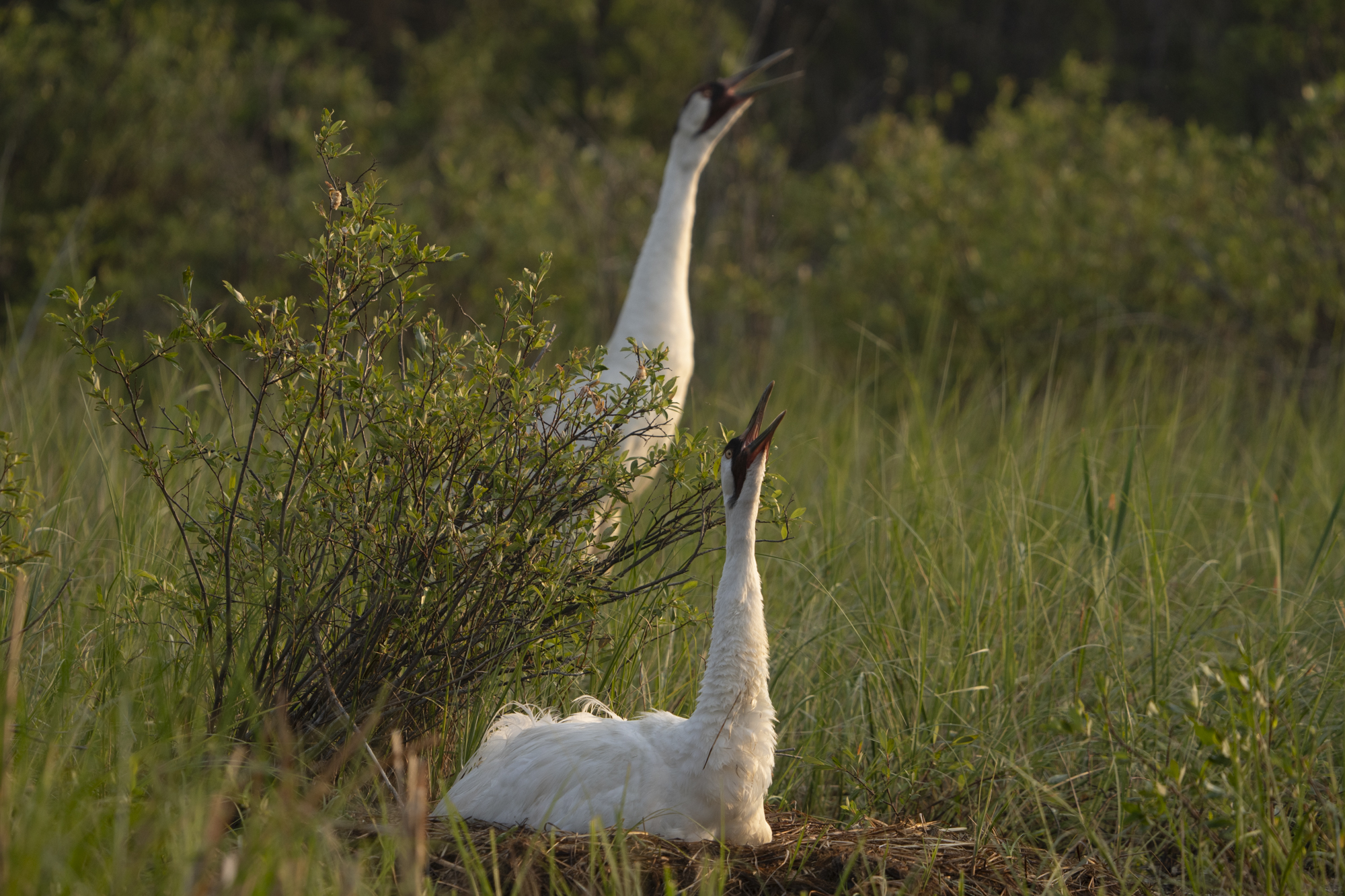
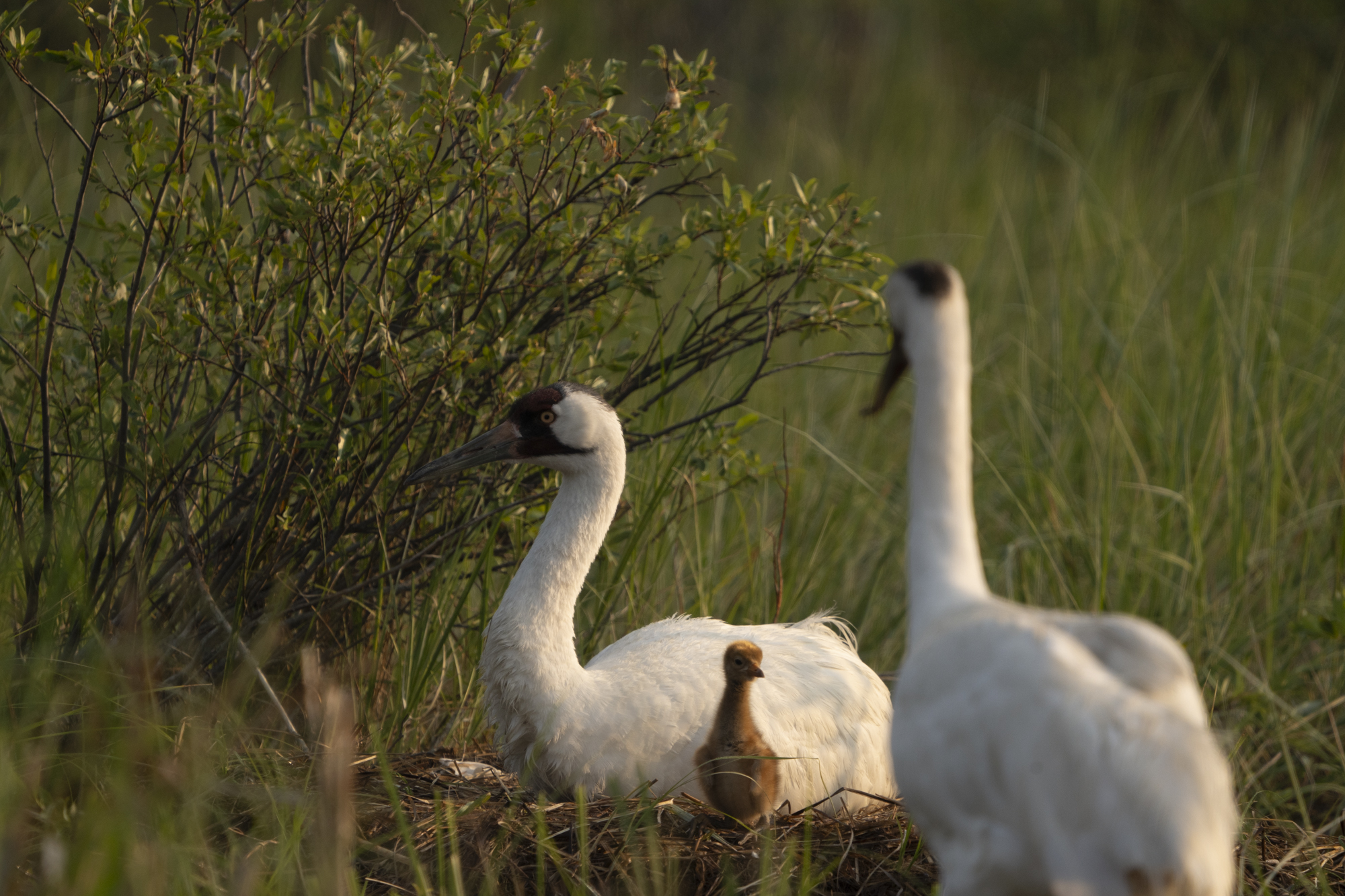
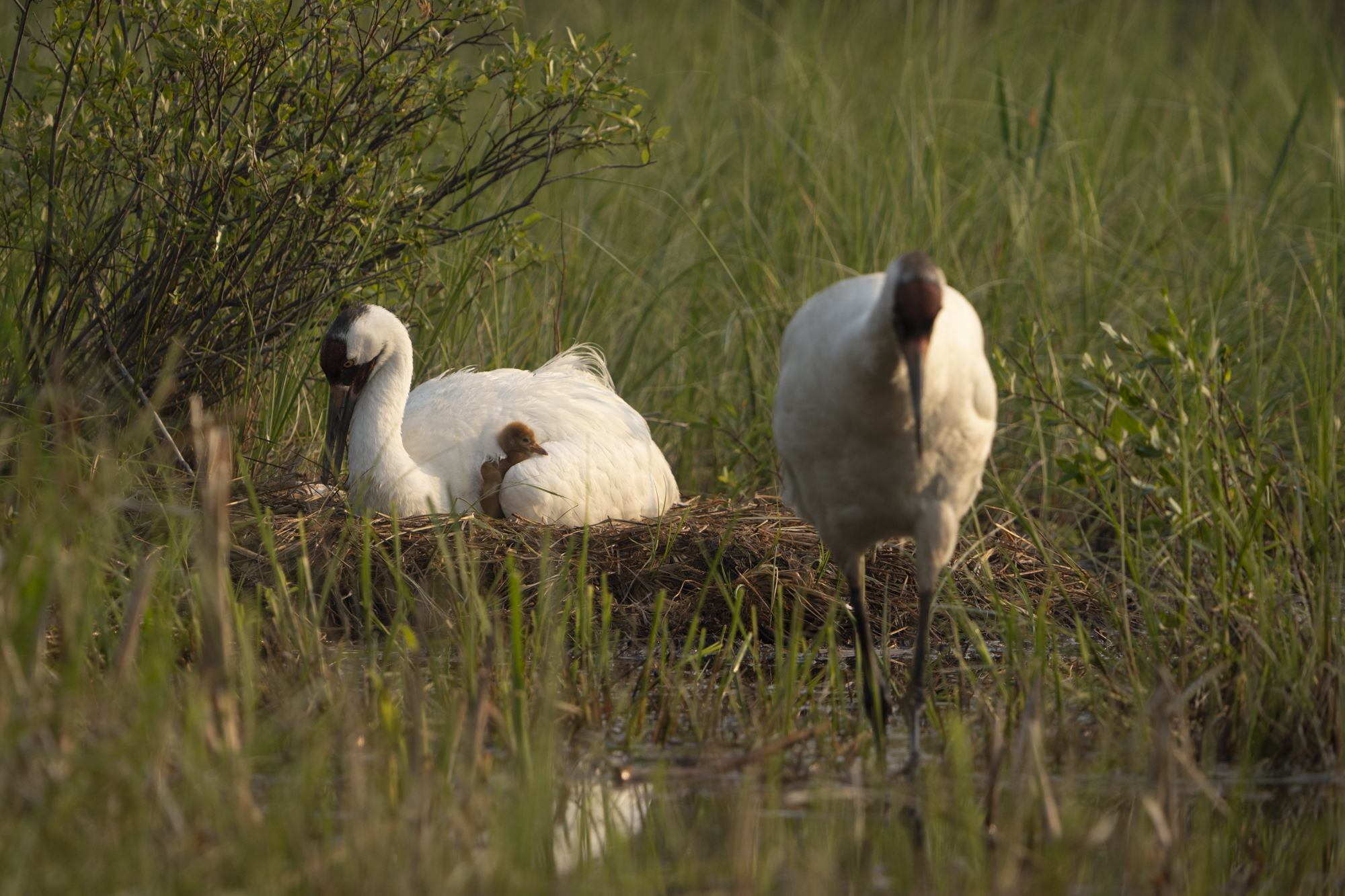
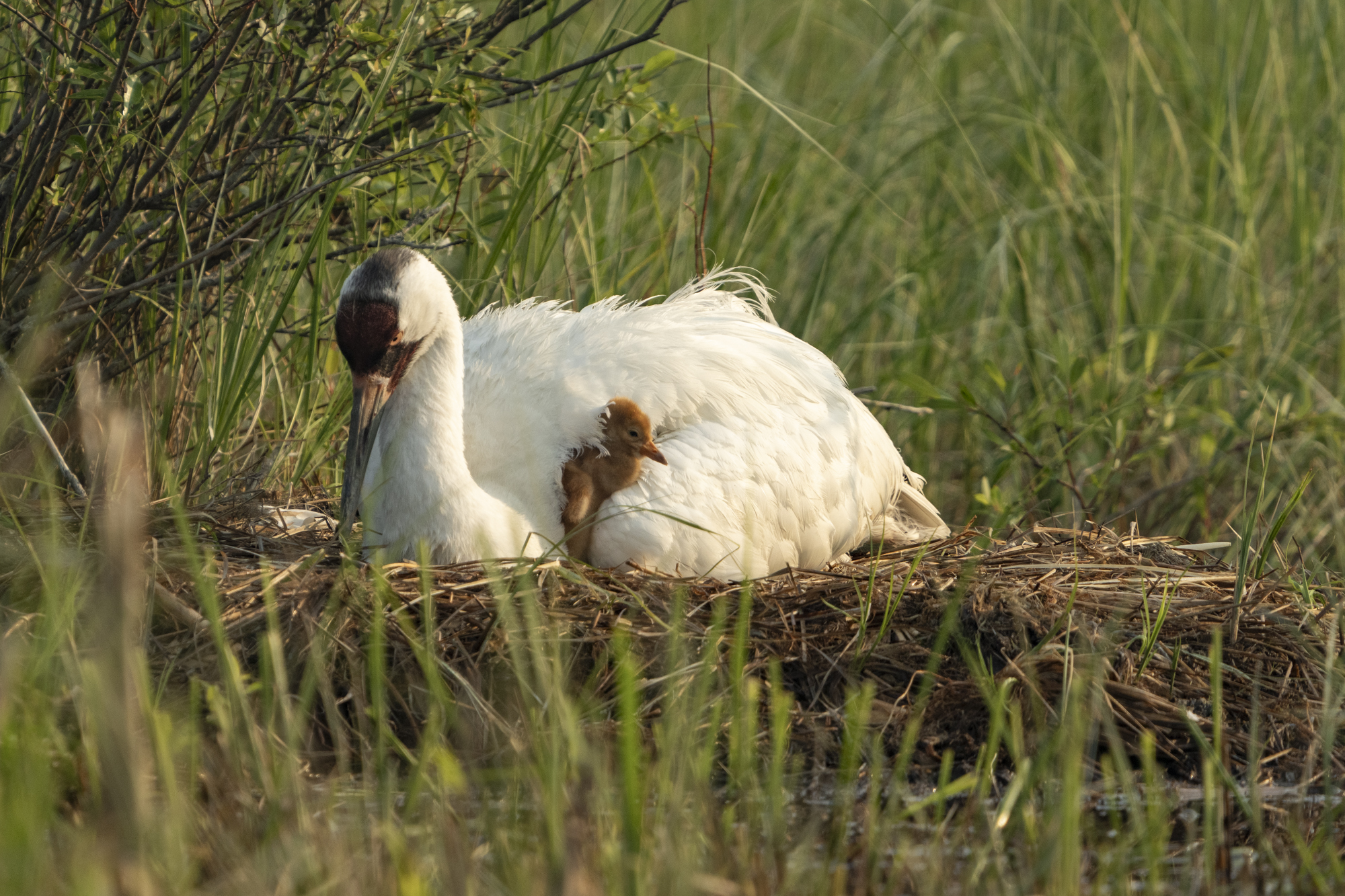
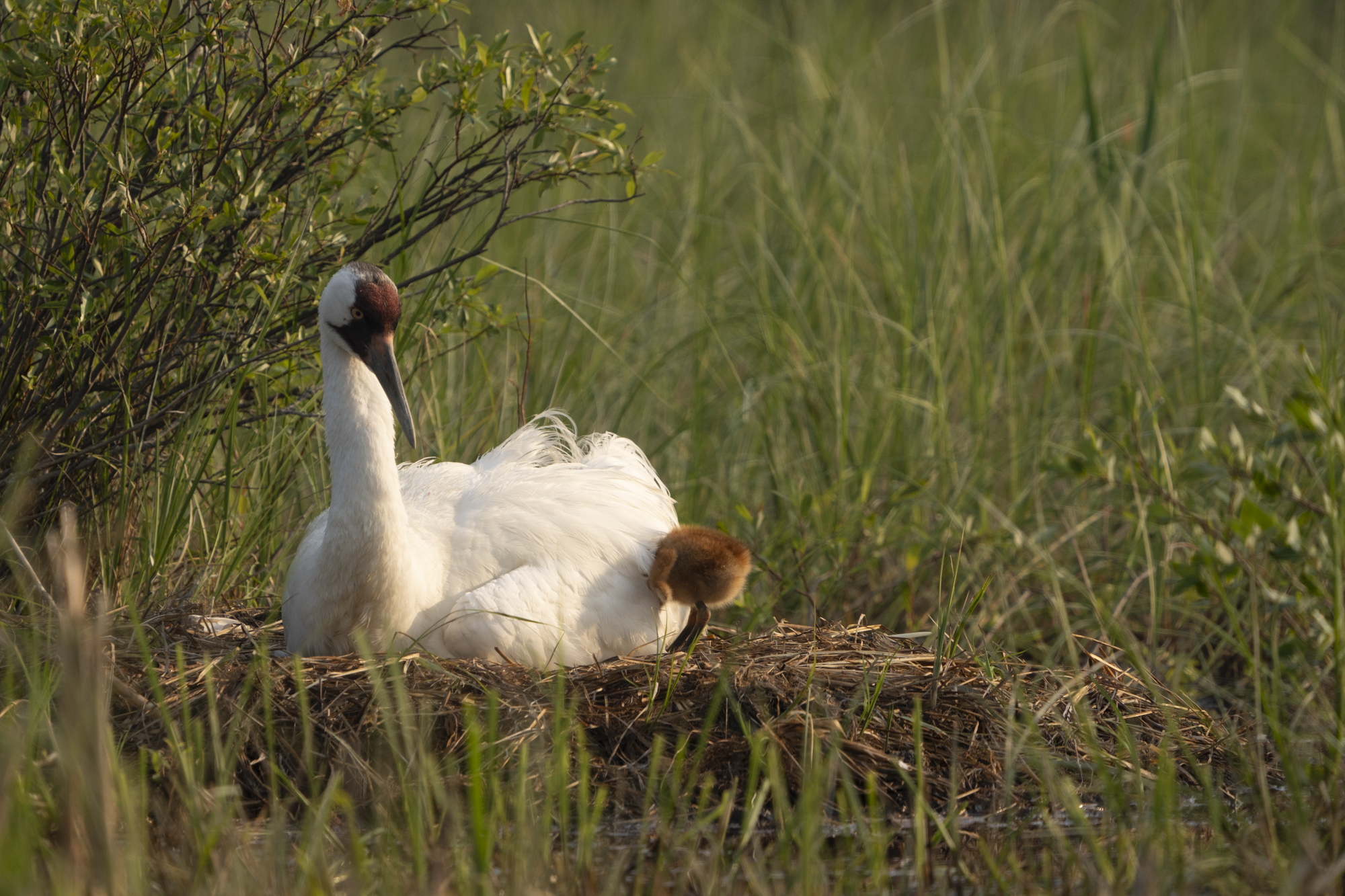
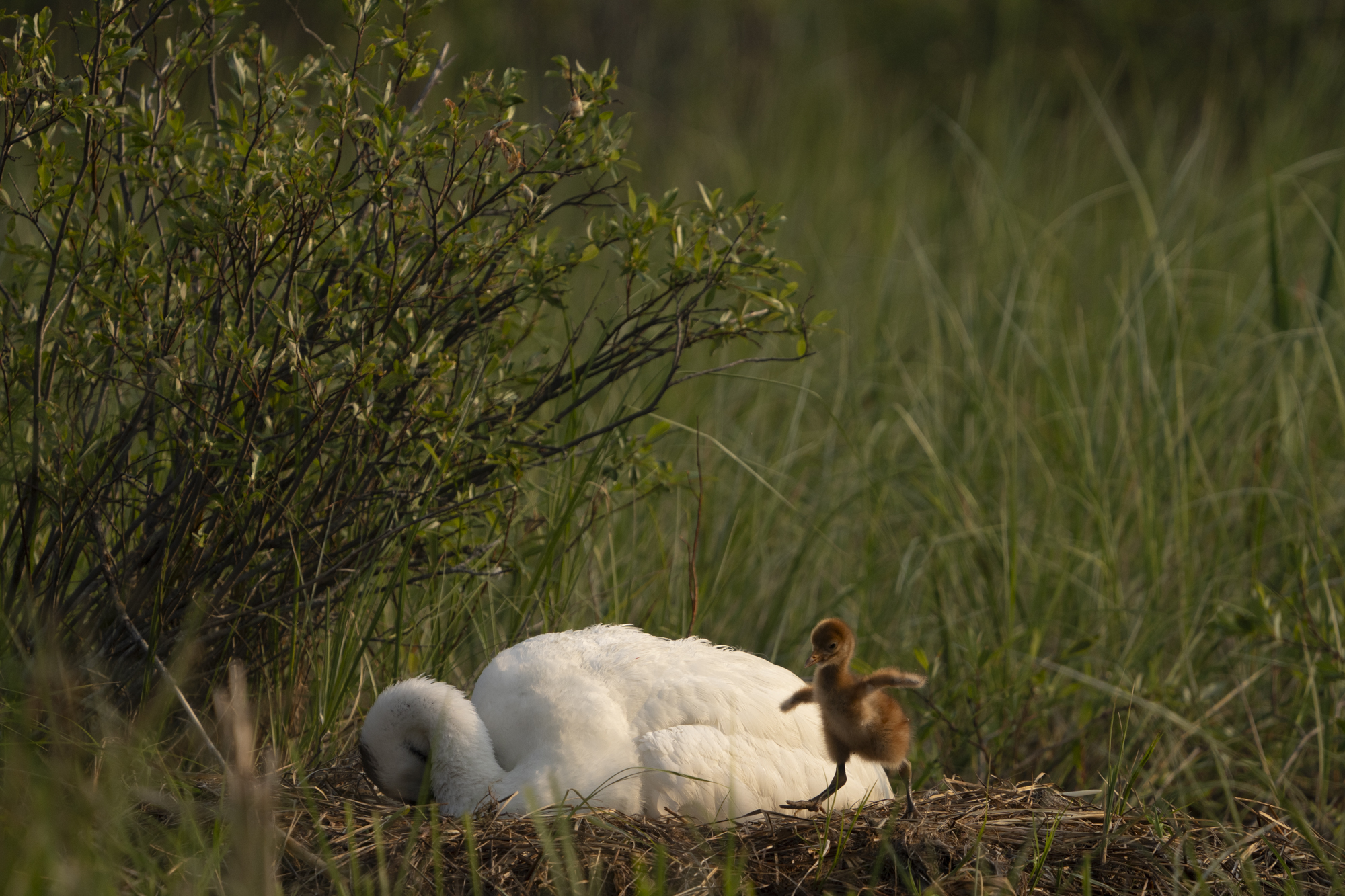
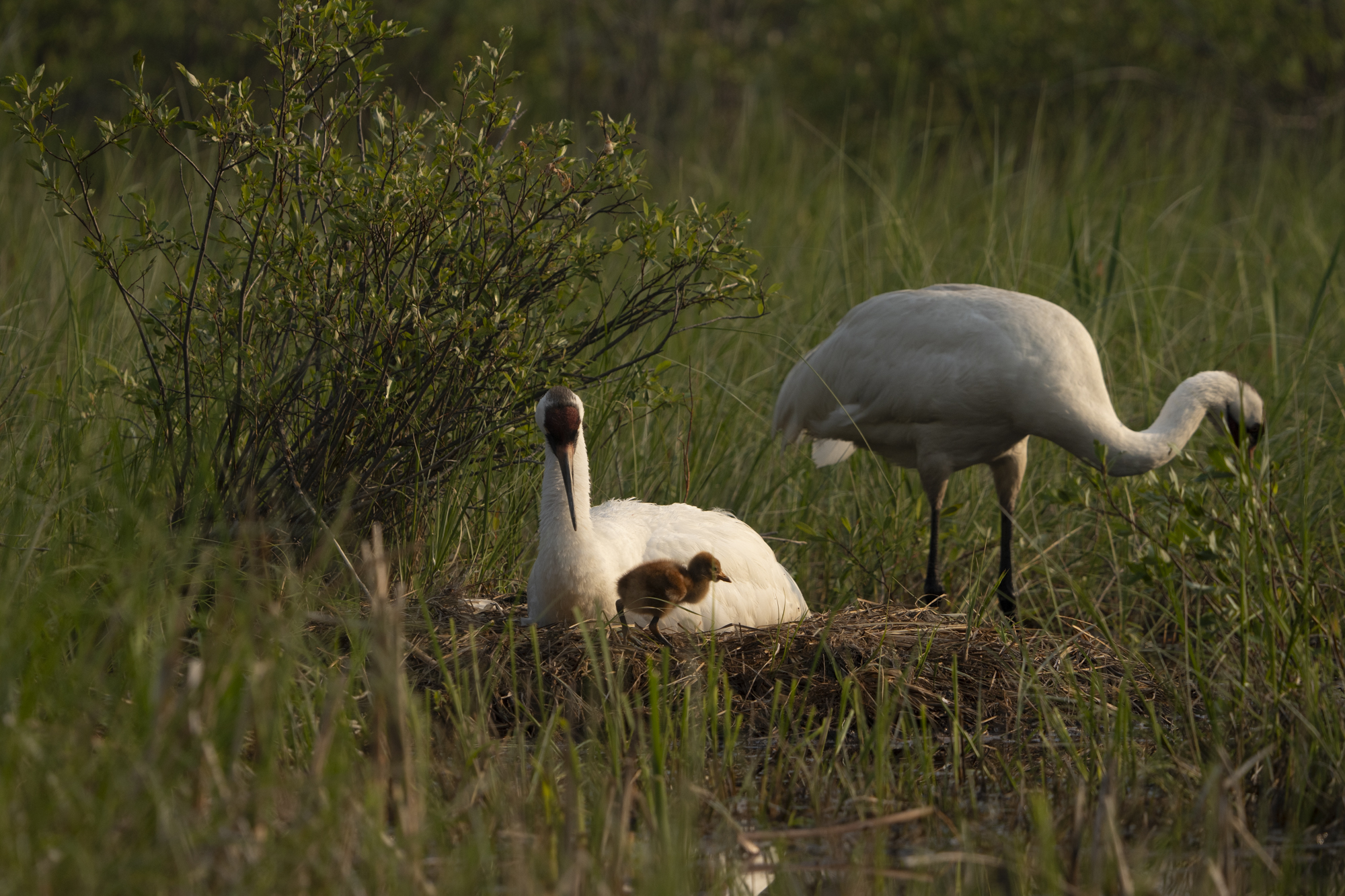
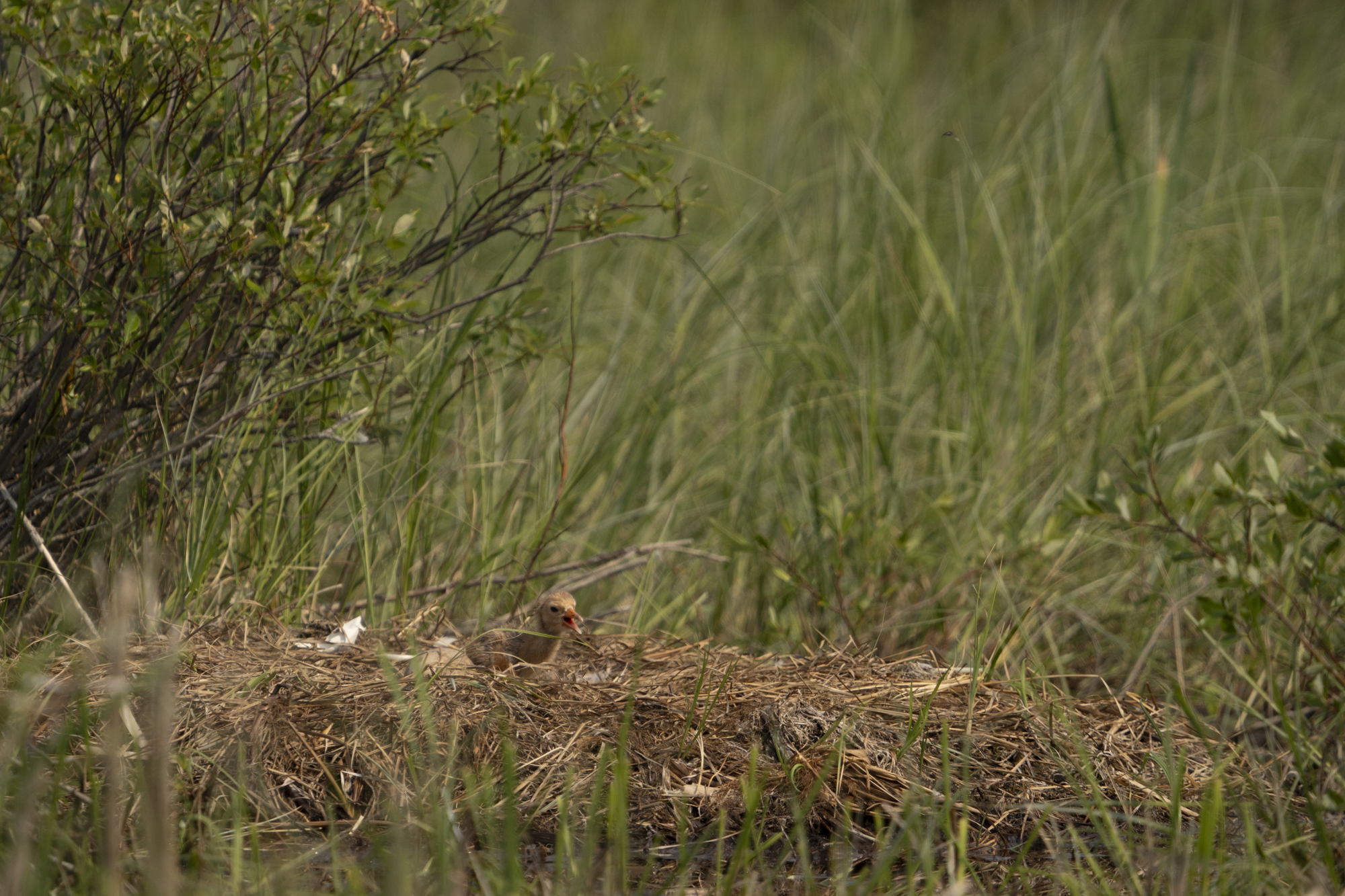
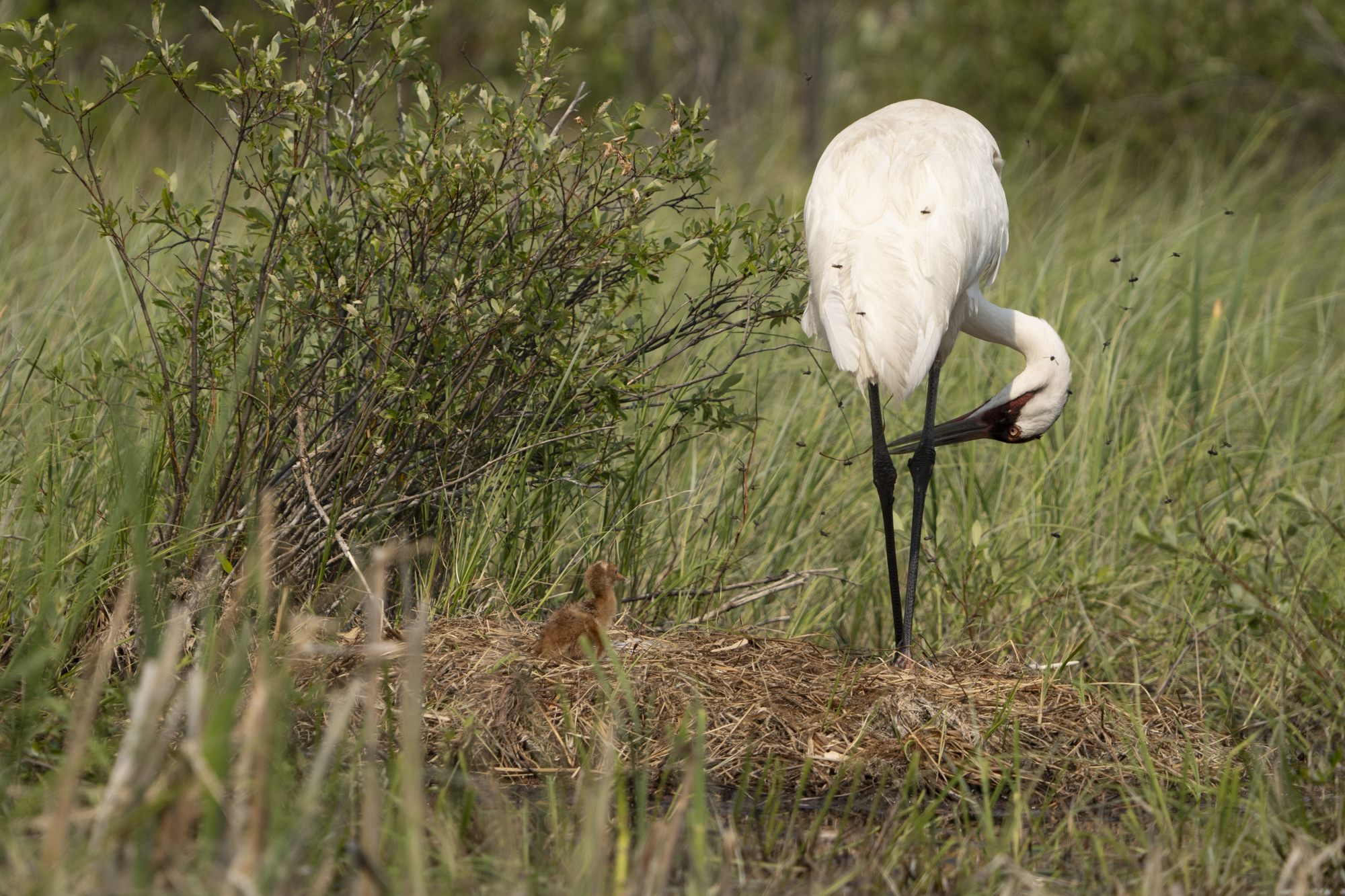
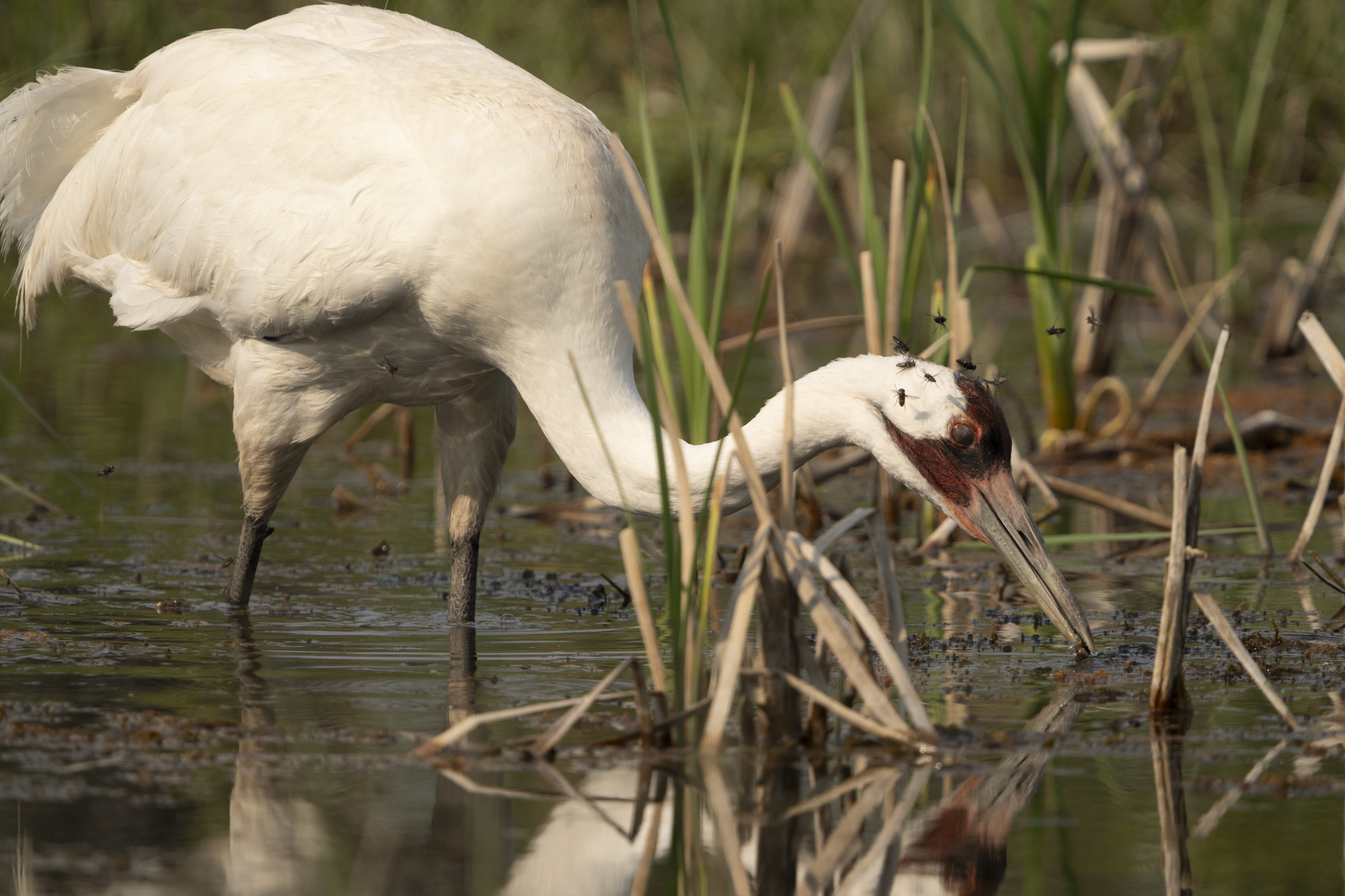
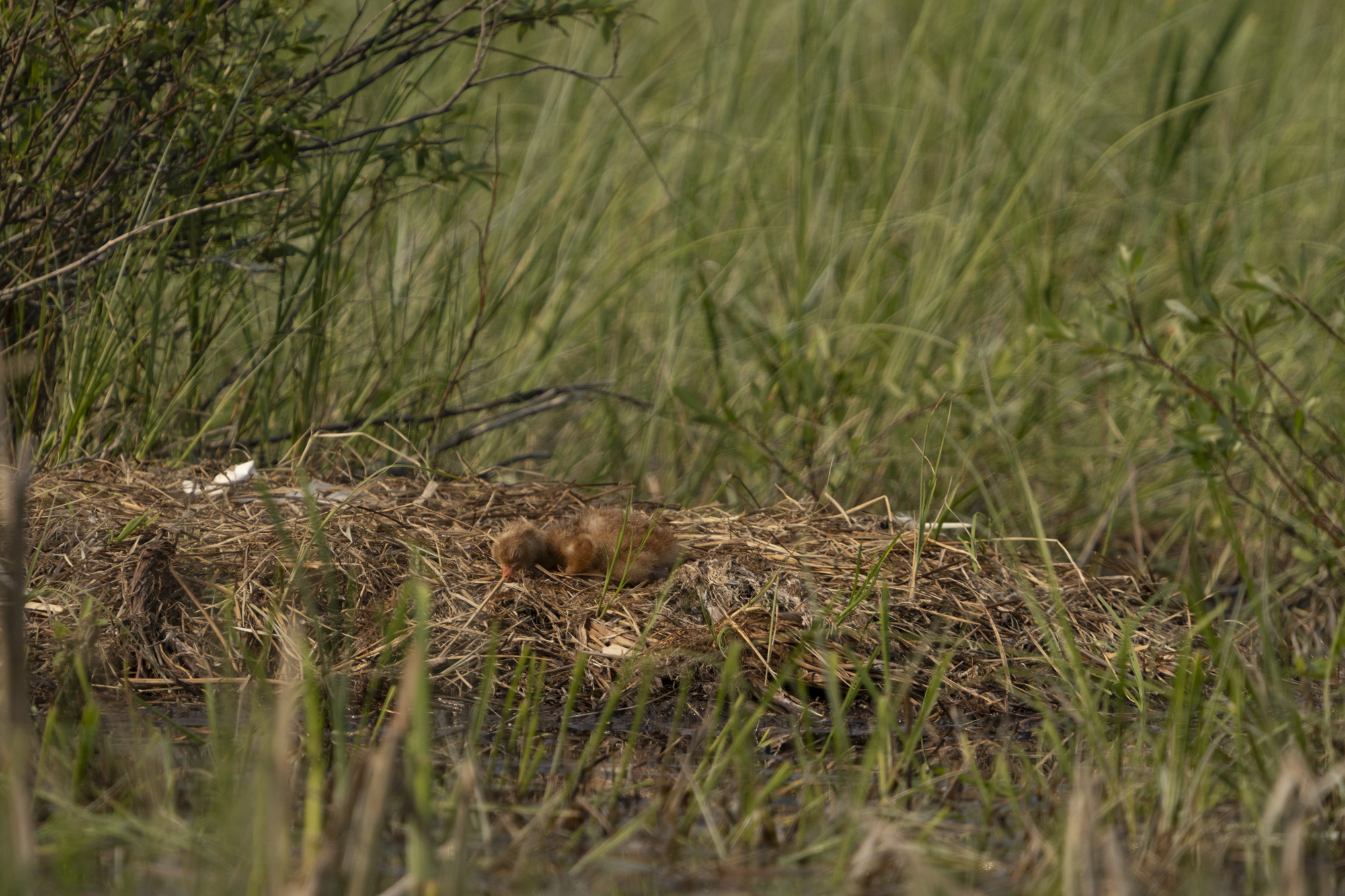
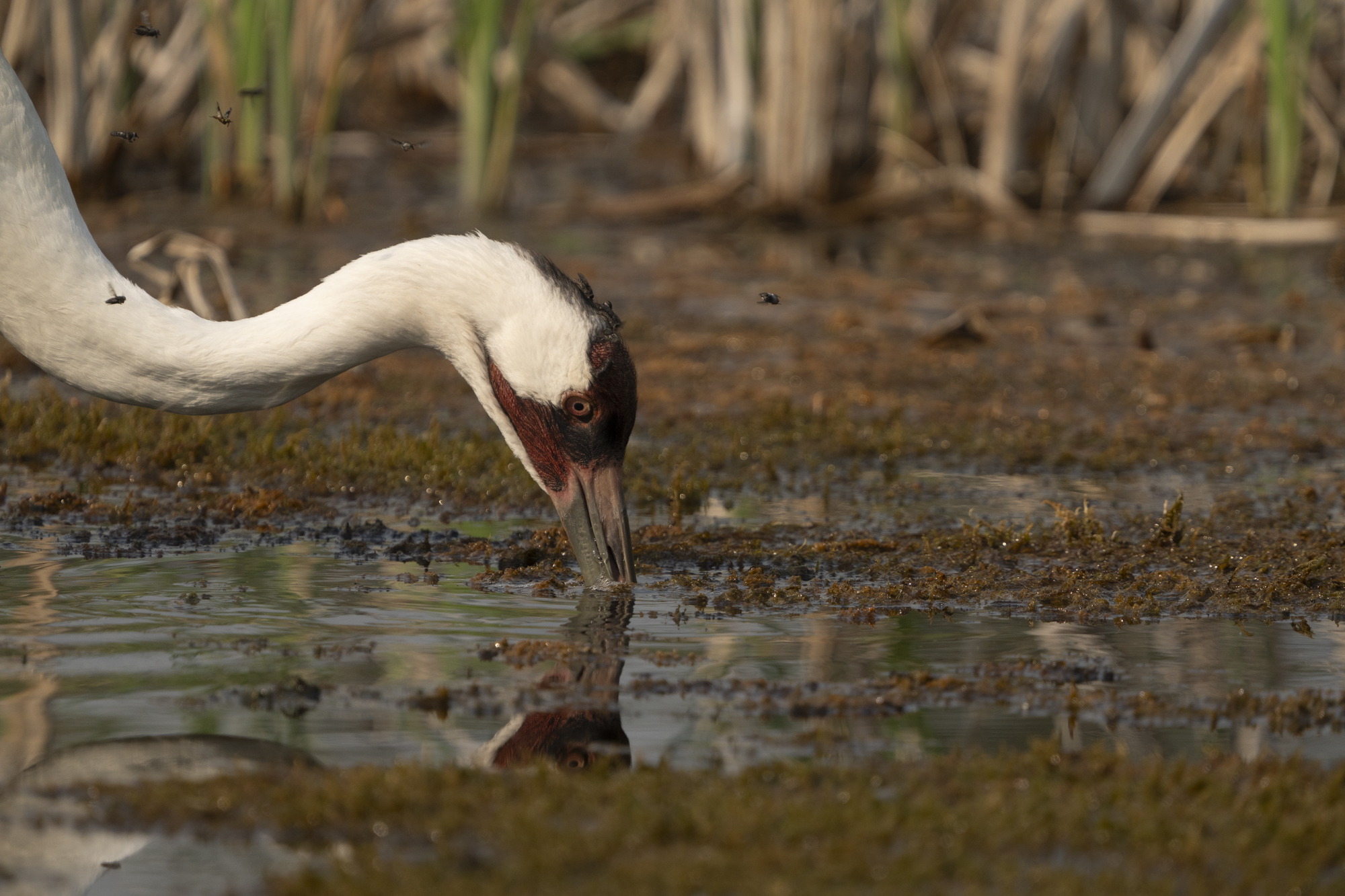
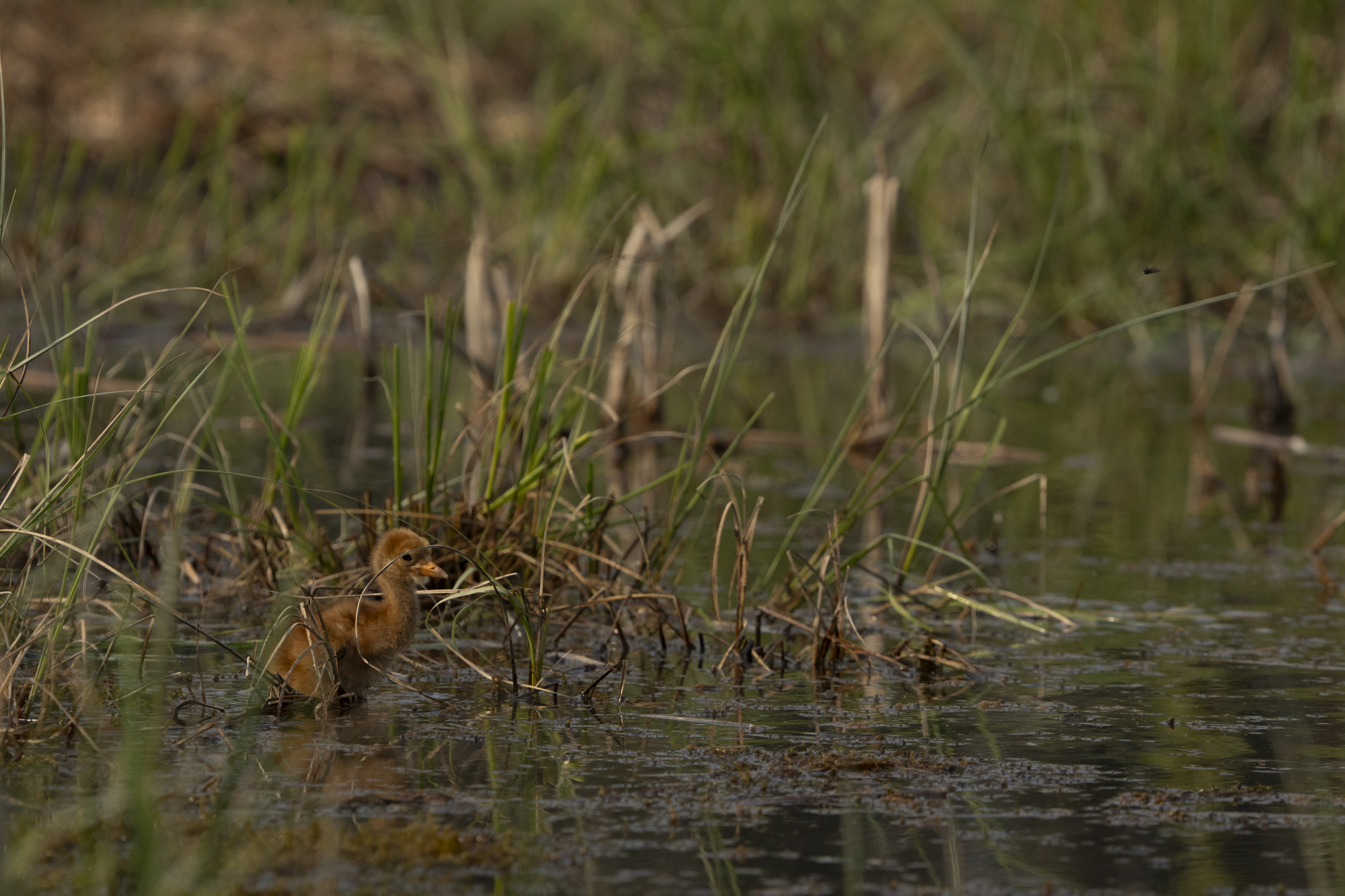
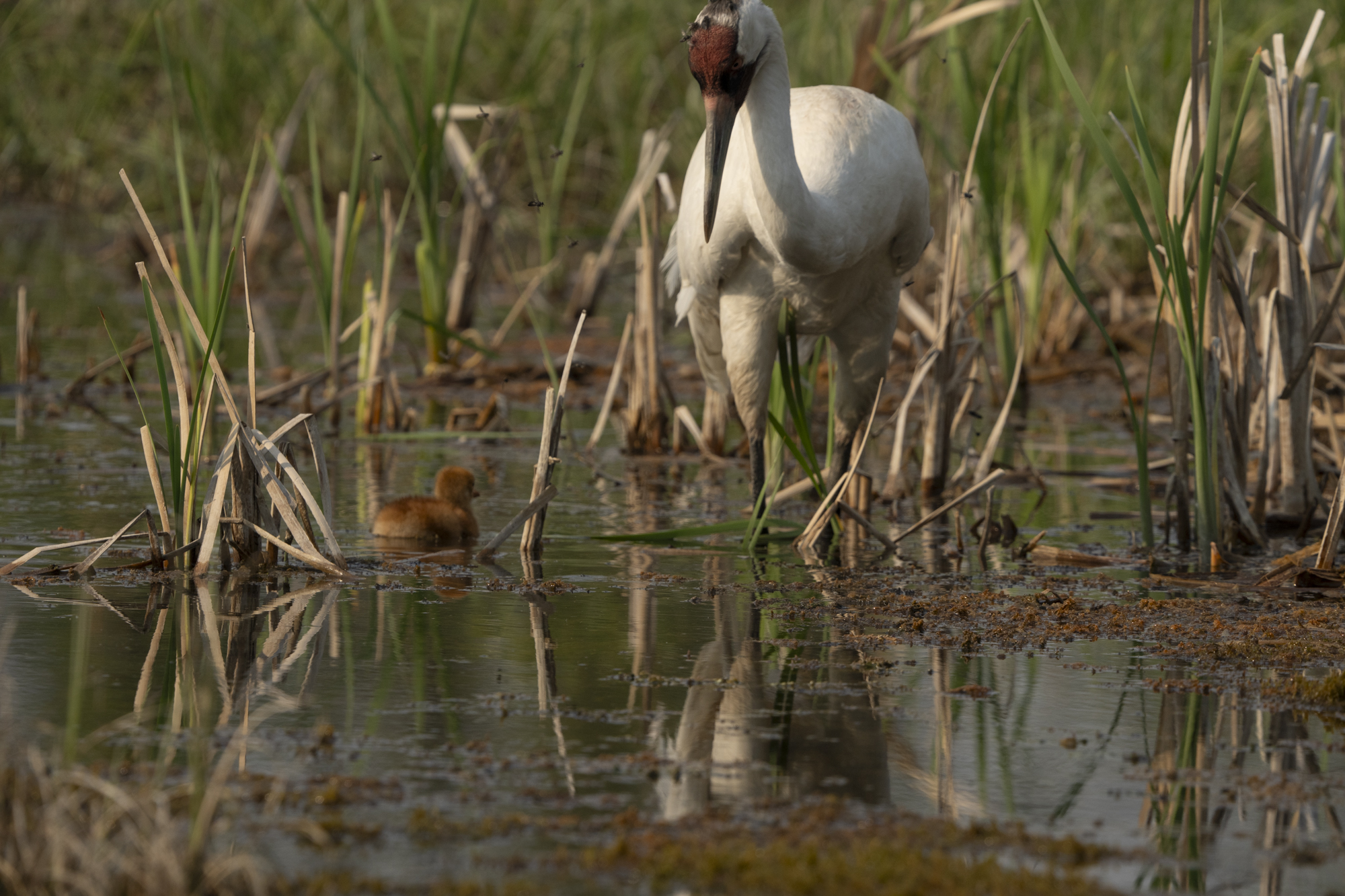
I spent eight intense days in a blind documenting a pair of whooping cranes at the nest—leading up to and through the first days of the hatch. This has only been attempted once before, when Klaus Nigge successfully did it for National Geographic in 2008. The images and video I captured cover nearly every aspect of whooper nesting behavior: unison calling, nest exchanges, egg turning, eggs pipping and hatching, parents fending off biting flies and mosquitoes, brooding, hunting, feeding, sleeping—all while the first chick gains strength and the second chick, hatching nearly 40 hours later, faces an uncertain future.
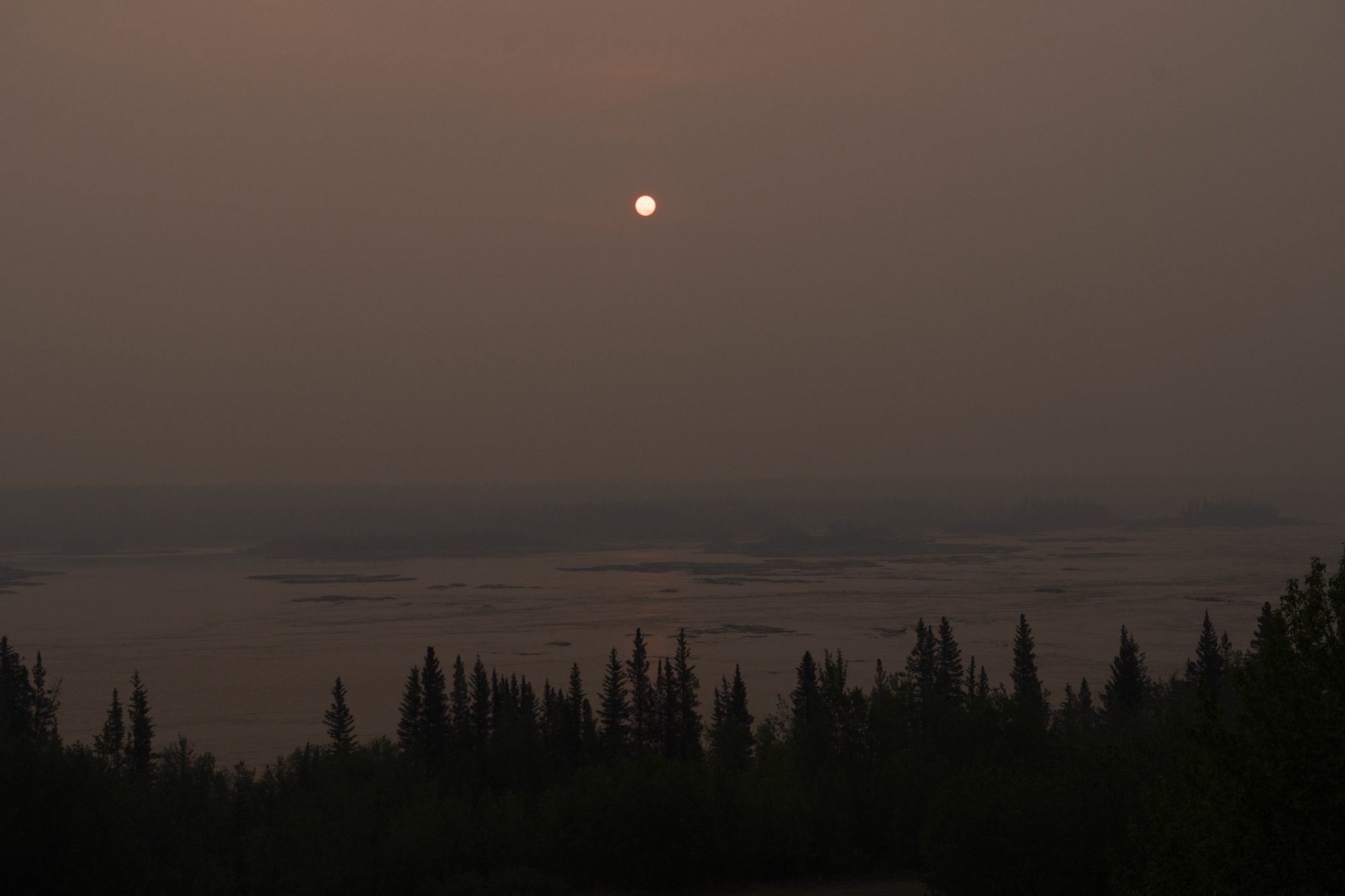
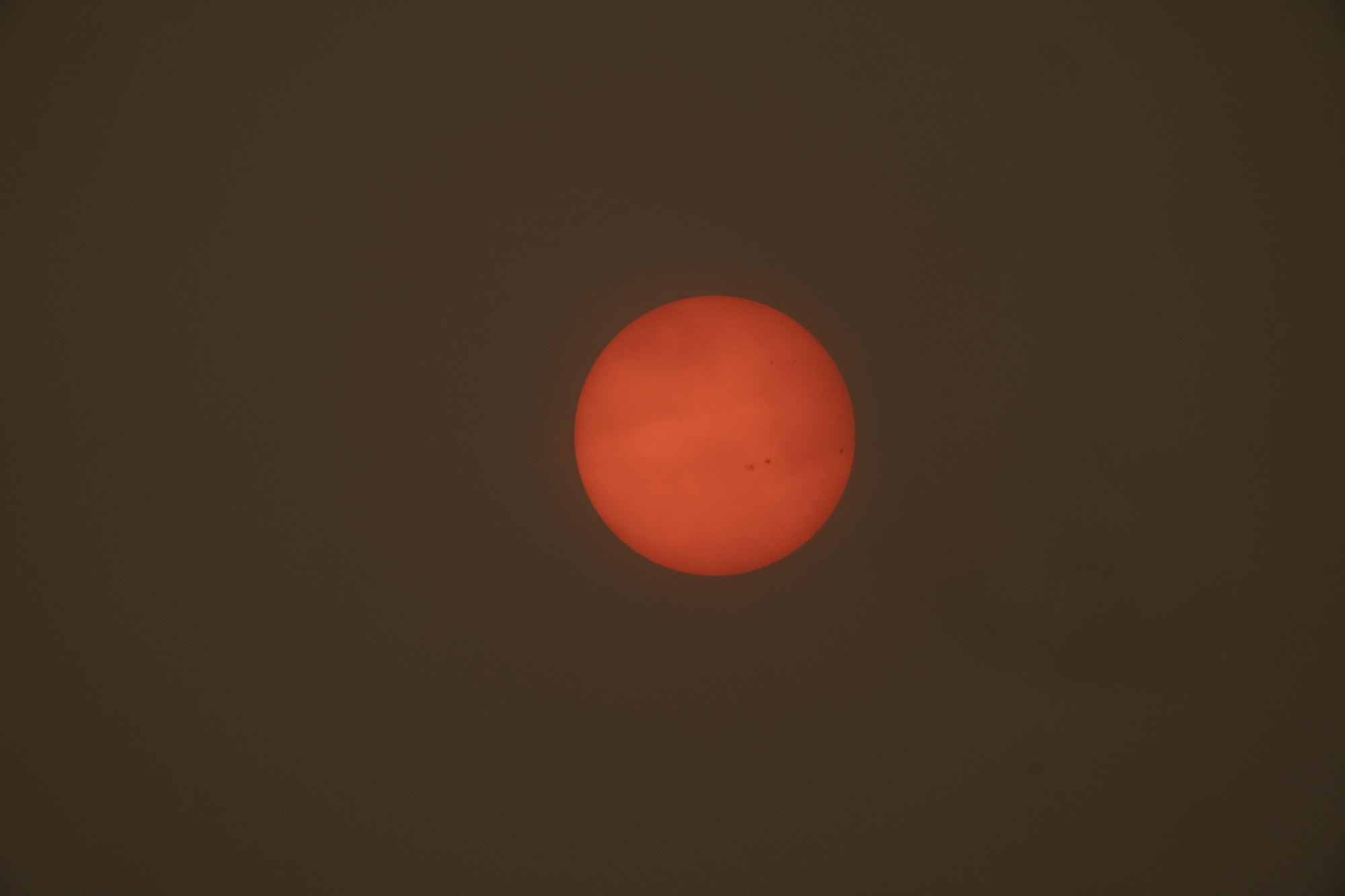
In many cases, I included near frames and image sequences that follow a particular action or behavior through to completion. The golden haze seen in many images is due to wildfires that were burning across Canada this spring and continue to blaze.
Behind the Scenes
Once again in Wood Buffalo National Park, Mike spent time with researchers deploying sensors and remote cameras on whooping crane nests.
Then came eight days in a blind watching a pair of whooping cranes on their nest.
Gallery
April 2023
Mike’s Journey